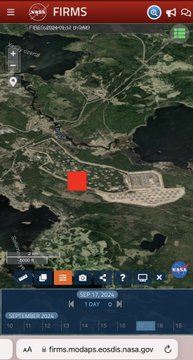
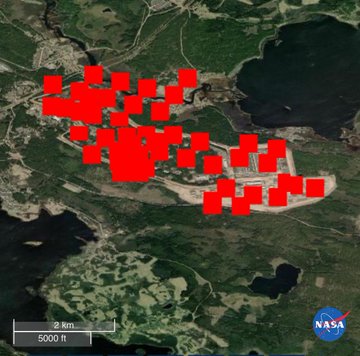
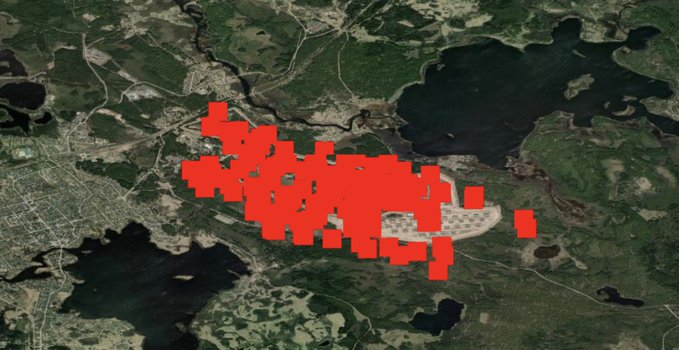
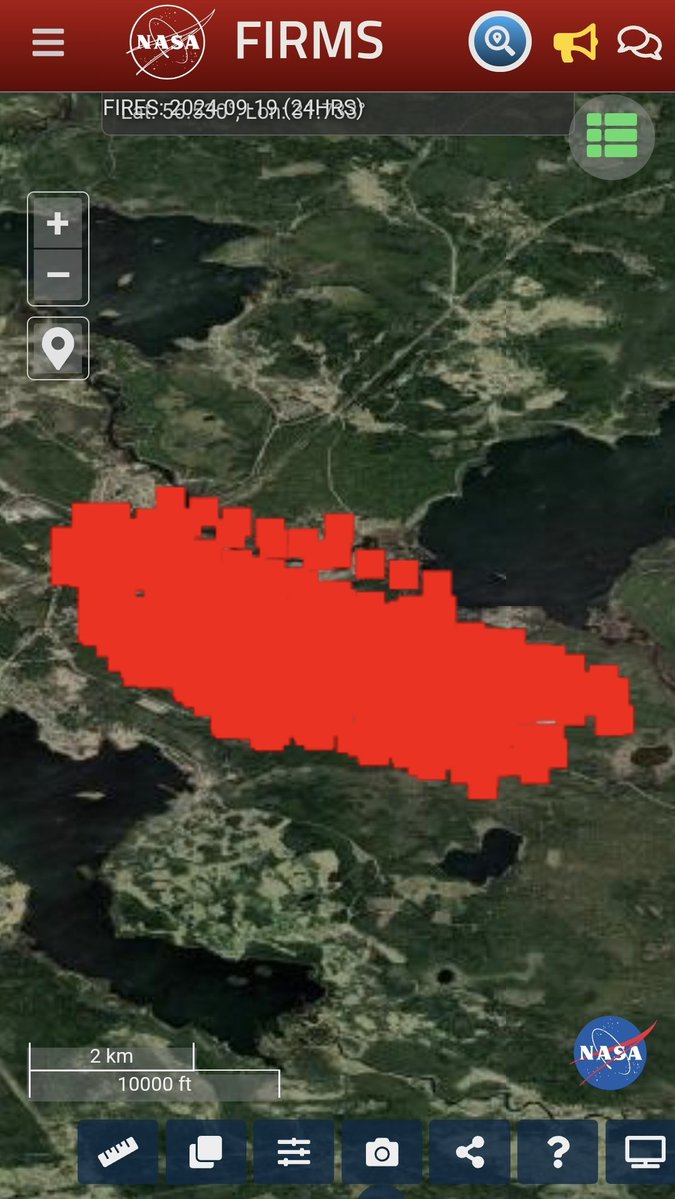
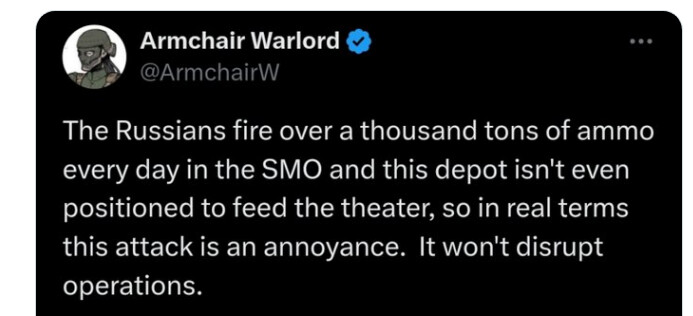
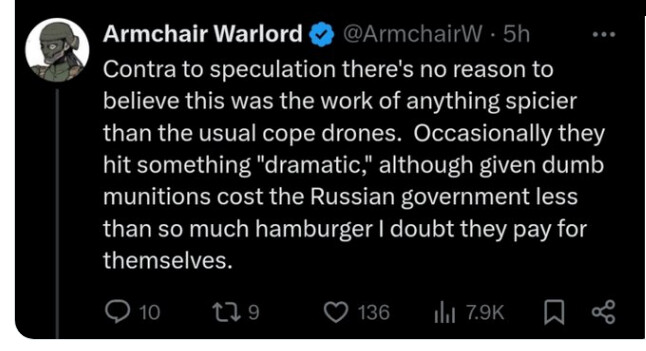
Just a thought. By timing an attack after a large delivery train entered the site, maybe late, and was left to be unloaded next day, the UKR might have taken out the train, which took a big ECM with it.
But this is a massive area. The heat, shrapnel and blast wave from the big hit must have been phenomenal. So how many drones actually hit targets I wonder.
4 Likes
I more and more get the feeling that the Victory plan is mainly a weapons wish list but maybe that is just part of the equation, we will see what it ends up being in totality.
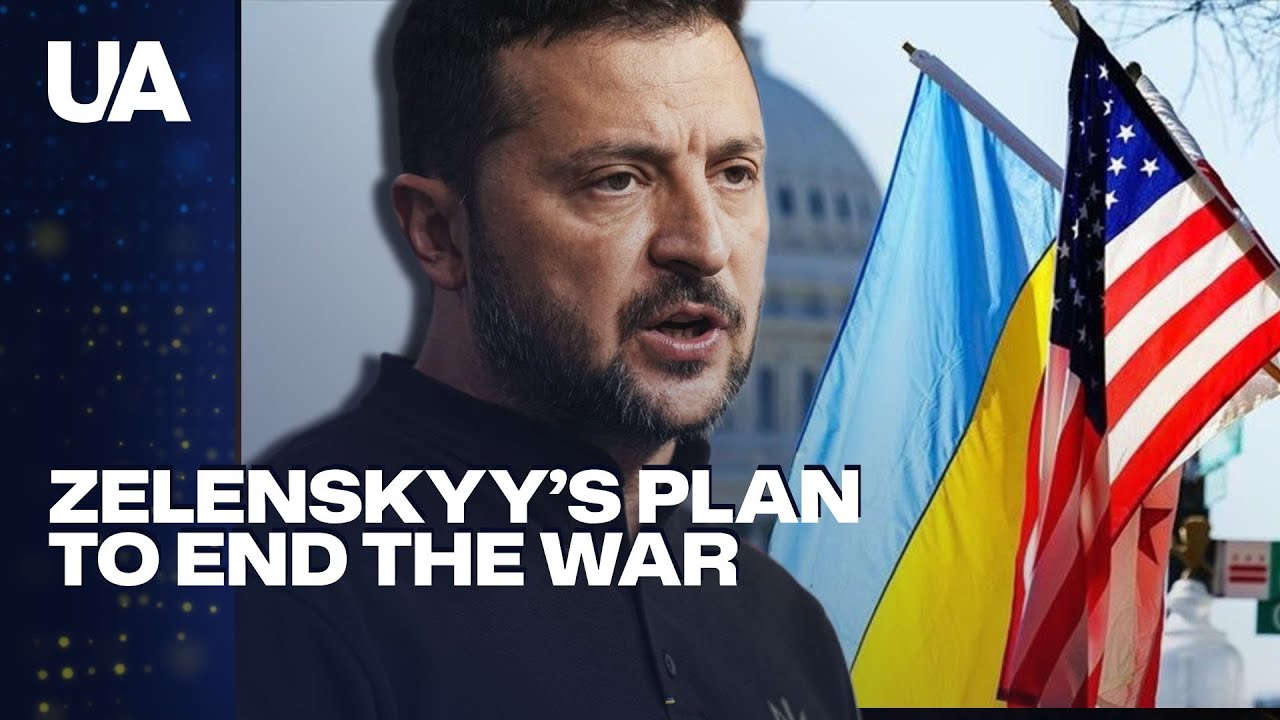
Victory Plan: Ukraine’s Strategy to Defeat Russia Revealed to Biden
1 Like
The IEA is warning of a severe energy shortage in the Ukraine Winter.
The IEA has estimated that around half of Ukraine’s power generation was lost in 2022 to 2023, due to occupation, drone and missile destruction or damage to network substations
1 Like
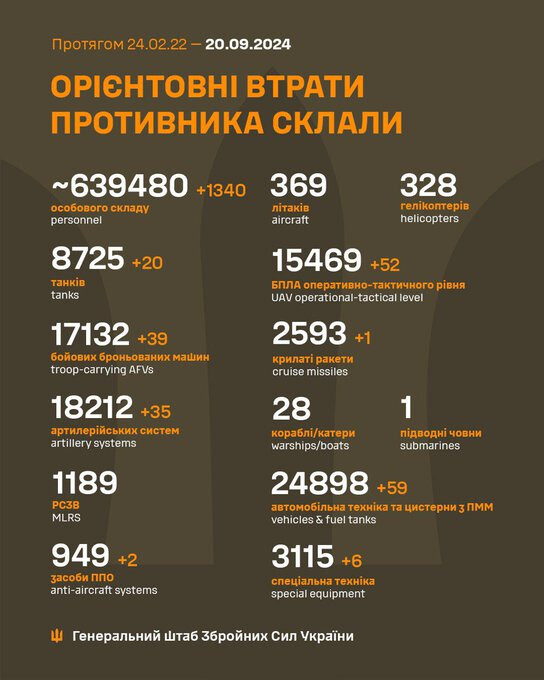
Russian losses per 20/09/24 reported by the Ukrainian general staff.
+1340 men
+20 tanks
+39 AFVs
+35 artillery pieces
+2 AD system
+52 UAVs
+1 cruise missile
7 Likes
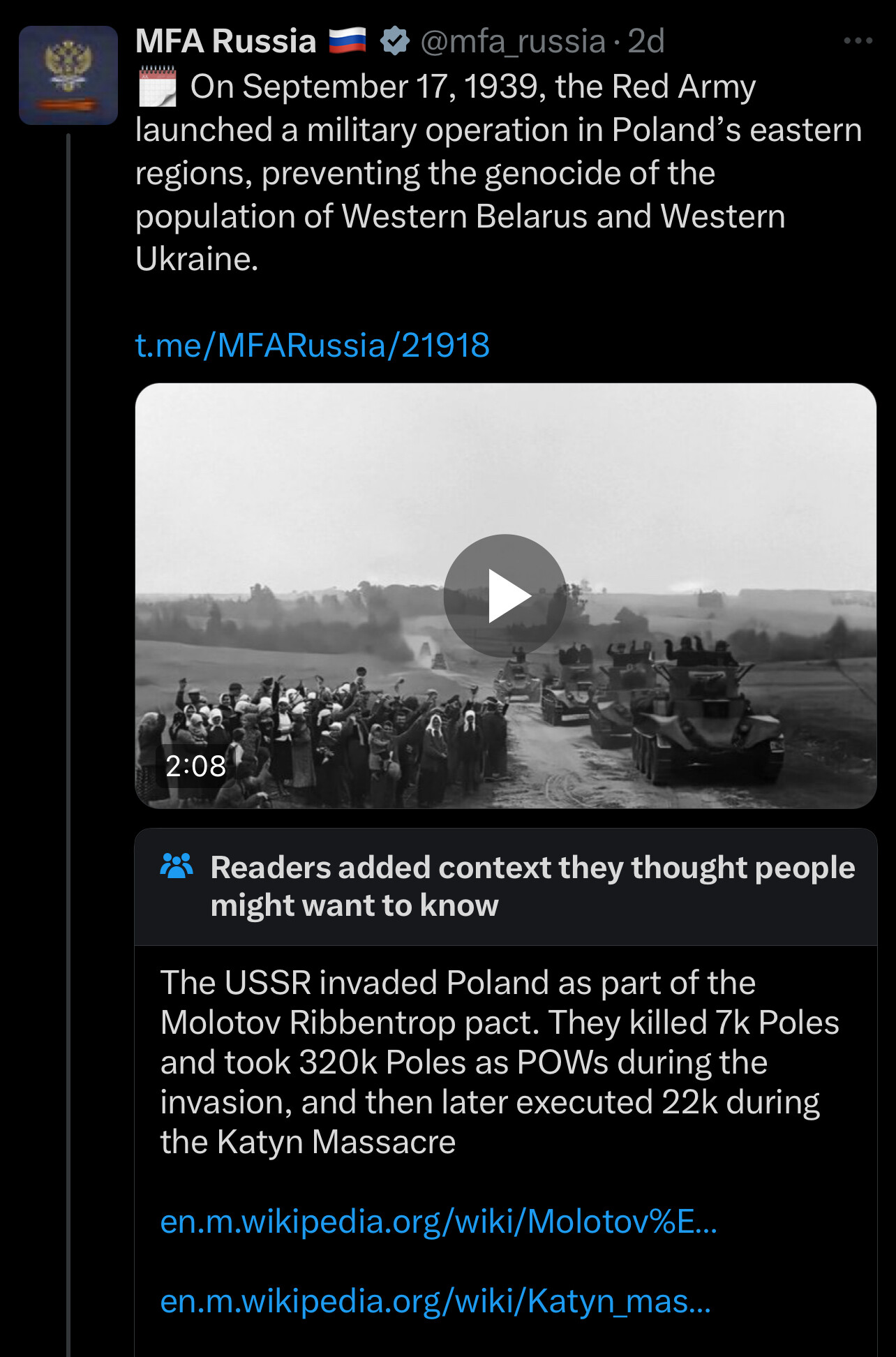

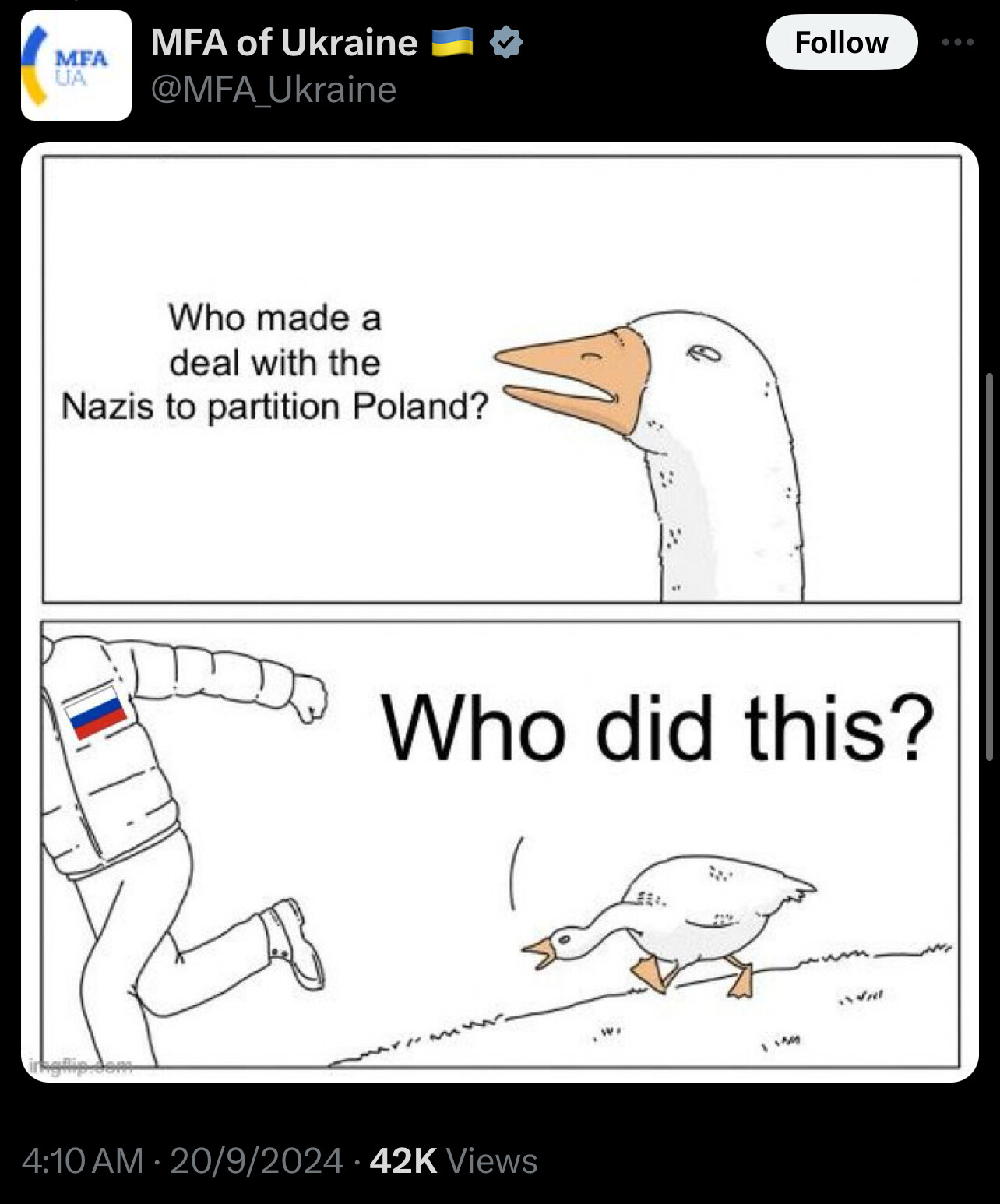
My grandfather was a victim of that SMO, actually that’s not even the least of it.
9 Likes
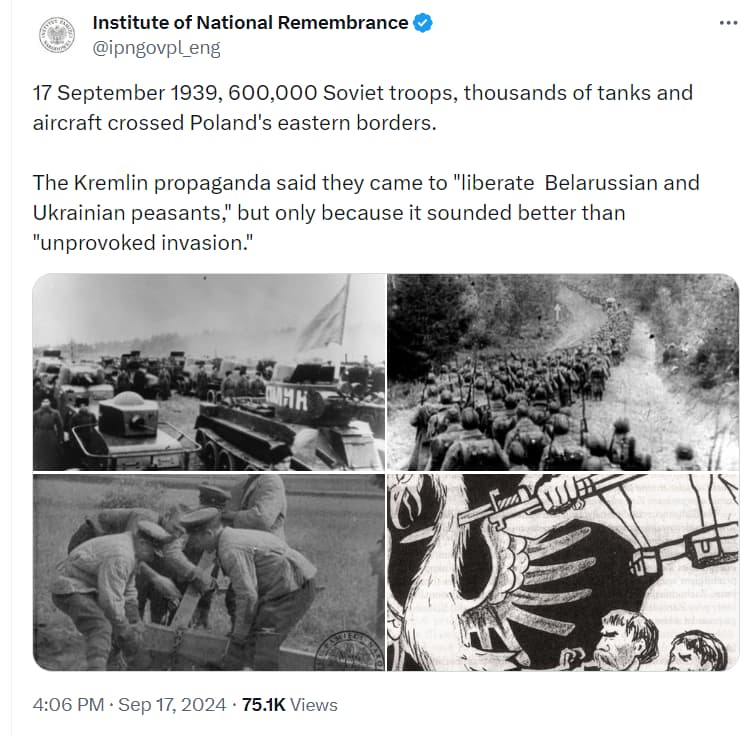
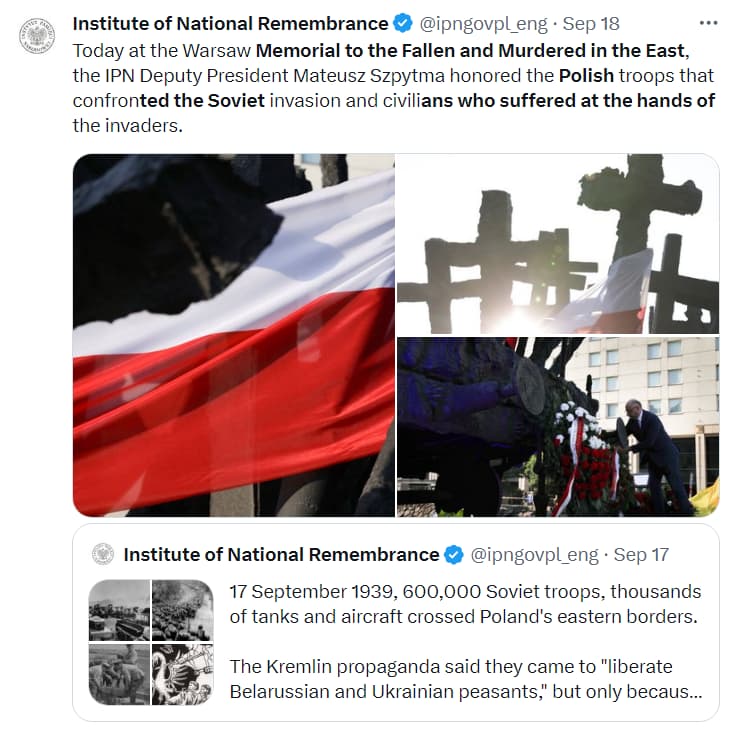
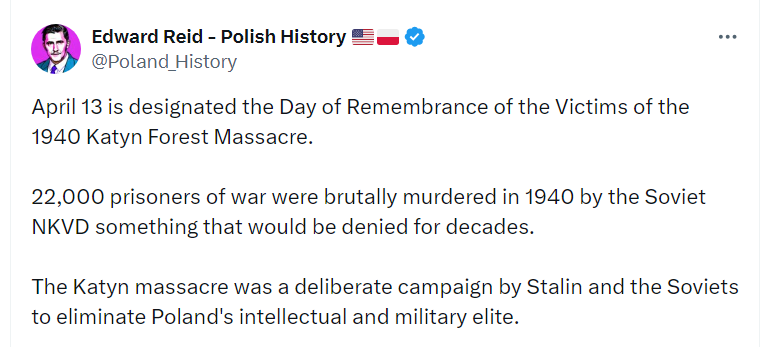

@Benny40 That is why I cannot understand this post in the US politics thread
From my reading there is a significant proportion of the Polish population that are cognizant of history and do not want it to be repeated, hence they are pro-nationalist and are distrustful of russia (and Germany). They are broadly supportive of the current military buildup. Especially in light of the russian invasion of Ukraine in 2022. There is a very vocal minority who are ultra-hardcore and welcome a response to any russian aggression. Terrified?
What I found most strange was the use of the term “transfer of wealth”. I haven’t heard the term “transfer of wealth” outside of inheritance or gifting. Paying for services or for physical goods (military hardware) cannot be characterized as a “transfer of wealth”.
I also cannot see eye-to-eye with the last sentence.
3 Likes
The USA’s foreign policy style has always tended to lack nuance and steamroll smaller nation’s into line. That’s why a portion of the Polish population are feeling aggrieved. Actions by the US have direct consequences to Poland, and many don’t trust the US to consider Poland’s interests when making strategic decisions regarding Russia.
It’s very important not to treat populations as single mindset blocks. There’s some very gung ho Poles, there’s also a huge number dealing with the mental scars of getting sandwiched between two superpowers and obliterated in the process.
Poland wants to be a peaceful nation. They do not want to be the frontline against a hostile Russia. They are a modern democracy and a segment of pushback against US military involvement on their territory is inevitable in a situation like this. That doesn’t mean the Polish government is anything less than a staunch ally to NATO and Ukraine.
When I mention the word terrified, it’s why Poland is spending so much on their defence. They are buying 1000+ tanks, about 500 HIMARS, 100+ Apaches and a large fleet of F-35, along with incredible numbers of missiles and other munitions. This is a huge capital cost and that is being paid to the US. It is a non-trivial amount of their GDP, an incredible boon for US defence exports.
5 Likes
If that’s for real then you wouldn’t want to be the squaddies uncovered.
1 Like
I chuckled out loud when the gate fell on his false leg. Friday beers and all that. 
6 Likes
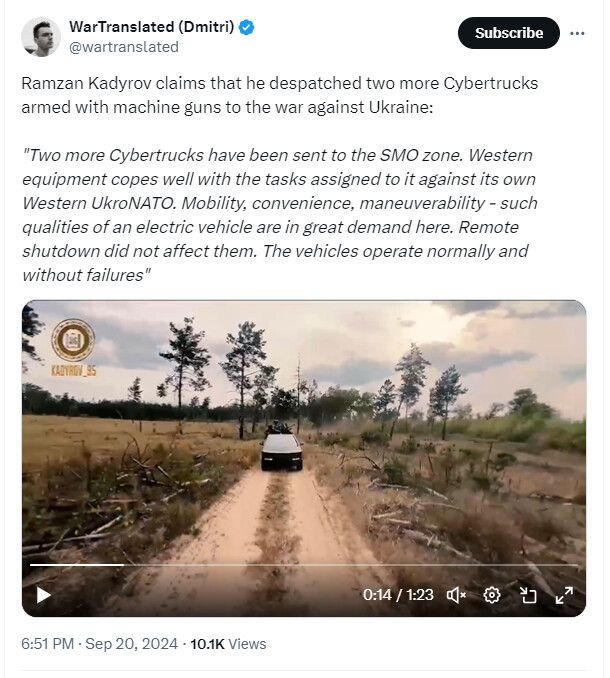

5 Likes
Holly hell. I hope the moderators don’t bring this sort of thinking to Blitz. “Commanders are also told to identify soldiers who are “mentally unprepared to fulfil their duties or prone to deviant behaviour…”
Russian front line soldiers ‘shooting themselves’
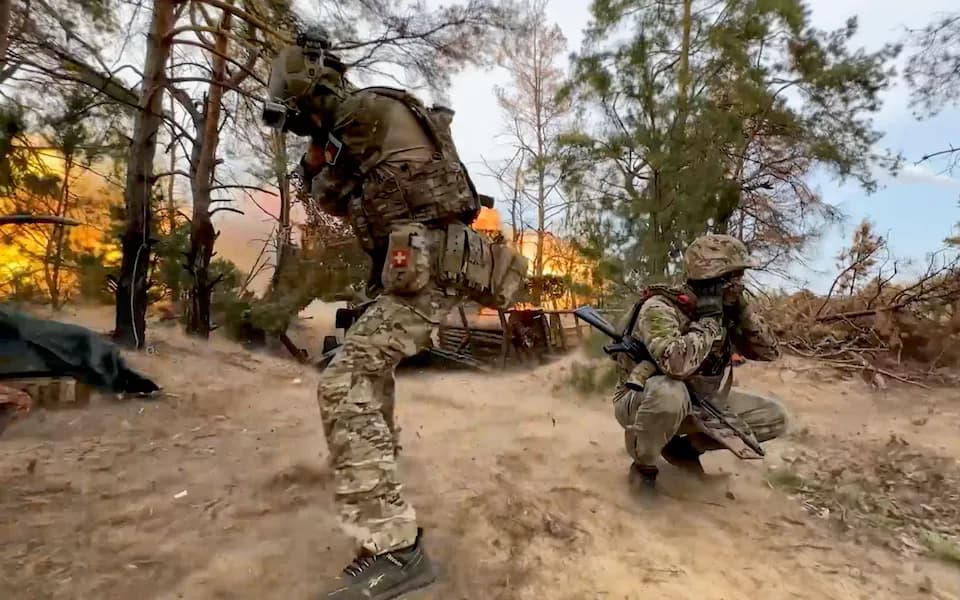
Russian servicemen firing a ‘Giatsint-B’ towed 152 mm field gun towards Ukrainian positions RUSSIAN DEFENCE MINISTRY PRESS SERVICE/HANDOUT HANDOUT/EPA-EFE/Shutterstock
Russian soldiers are killing themselves on the front lines in what secret Kremlin documents call a “tense issue of suicides” among demoralised troops.
Other soldiers reportedly “ran away” from Kursk after Ukraine’s incursion, “without even evacuating or destroying their documents”, according to a cache of Russian FSB, interior ministry and army papers seized by Kyiv.
The documents reveal the extent of the morale crisis facing the Russian army, with unit commanders being told to ensure soldiers consume enough state media to “maintain their psychological condition”, The Guardian reports.
Commanders are also told to identify soldiers who are “mentally unprepared to fulfil their duties or prone to deviant behaviour, and organise their reassignment and transfer to military medical facilities”.
The documents reveal that Russia’s military command had anticipated Ukraine’s incursion into Kursk and had been making plans to prevent it for months. But despite the plans, Ukraine still managed to capture 1,150 sq km of Russian land after launching its invasion on Aug 6.
Russia even made specific plans to prevent Ukraine from occupying Sudzha, a Kursk town of around 5,000 residents, which has been under Ukrainian control since the invasion was launched last month.
3 Likes
The EU’s chief is trying to help Ukraine prepare for winter. Half its energy network is destroyed.
European Commission President Ursula von der Leyen is in Ukraine, focused on helping the country to repair and reconnect its war-damaged electricity grid and boost its heating capacity as winter approaches
3 hours ago
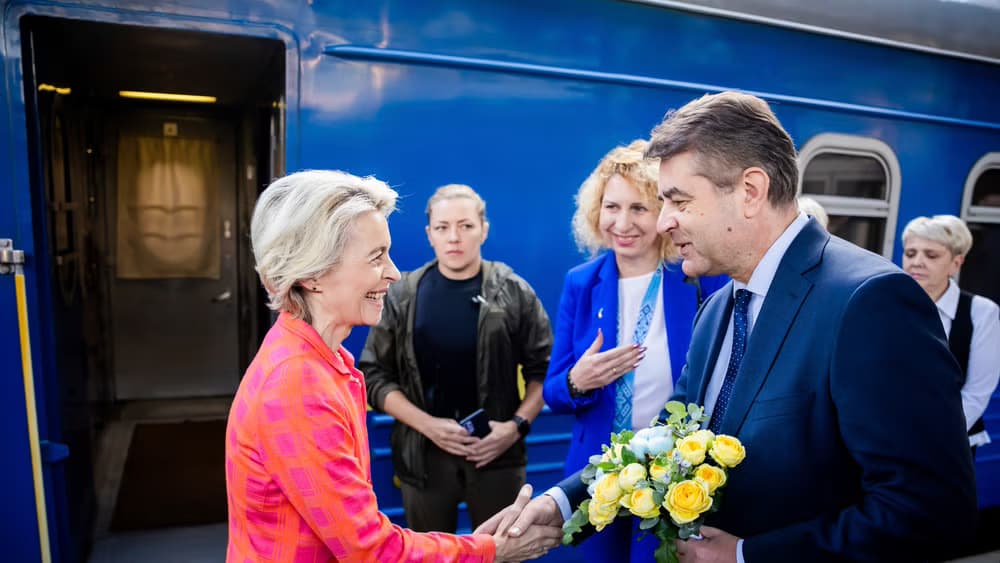
European Commission President Ursula von der Leyen arrived in Ukraine on Friday focused on helping the country to repair and reconnect its war-damaged electricity grid and boost its heating capacity as winter approaches.
Around half of Ukraine’s energy infrastructure has been destroyed during its war with Russia, and rolling electricity blackouts leave parts of the east in darkness for four hours at a time. Von der Leyden said it was as though all of Latvia, Lithuania and Estonia had lost electricity.
Meanwhile, winter is approaching.
“Heating season starts in two weeks and Russia’s relentless attacks on Ukraine’s civilian energy infrastructure aims to inflict maximum damage,” von der Leyen said as she arrived in Kyiv for talks with President Volodymyr Zelenskyy. “We will help Ukraine in its brave efforts to overcome this.”
The main aim is to help Ukraine decentralize its power grid, and to become less reliant on the big power stations that make easier targets for Russian forces. Around 260 missiles rained down in a major attack on energy infrastructure late last month.
The Europeans have already sent more 10,000 generators and transformers, and they’re supplying small and more mobile gas turbines too. These types of electricity-providing equipment is harder to hit and easier to repair.
Ukraine’s winter runs from late October through March, with January and February the toughest months. The Europeans hope to help supply around 25% of the 17 gigawatts of power that the country is likely to need this winter.
One aim of the EU assistance is to provide an incentive for people to stay in Ukraine. Some 4 million people have fled since the war began in February 2022, often to Poland and other neighboring countries.
The EU is providing assistance, such as short-term help to find a place to stay, jobs or education. But recently the number of people leaving has climbed. The commission, the EU’s powerful executive branch, estimates that 10,000 more people are applying for help each week.
On Thursday, the commission announced that it would provide an extra 160 million euros ($180 million) to help fortify Ukraine’s energy network. Of that, 100 million euros ($112 million) come from the windfall profits the EU has earned from interest on frozen Russian assets.
Von der Leyen said the plan is to make “Russia pay for it through the revenue generated by their frozen assets.” Denmark is also leading the charge on using the money to place orders for weapons and military equipment directly with Ukraine’s defense industry.
She and Zelenskyy will also discuss the use of loans organized by the Group of Seven major industrial powers to help bolster Ukraine’s conflict-ravaged economy, and weigh progress in Kyiv’s efforts to join the EU.
2 Likes
Diplomacy Watch: Russian Media In Eye Of The Storm
Feds say RT employees helped to raise weapons for Ukraine, spread disinfo. Hillary Clinton joins in.
SEP 20, 2024
On Monday, Facebook, Instagram, and WhatsApp owner Meta said that it was going to ban a number of Russian state media outlets, including RT (formerly Russia Today).
“After careful consideration, we expanded our ongoing enforcement against Russian state media outlets: Rossiya Segodnya, RT and other related entities are now banned from our apps globally for foreign interference activity,” Meta said in a statement.
This occurs just days after the Biden administration announced sanctions against RT. United States Secretary of State, Antony Blinken said that Russian media entities “are no longer merely fire hoses of Russian propaganda and disinformation. They are engaged in covert influence activities aimed at undermining American elections and democracies, functioning like a de facto arm of Russia’s intelligence apparatus.”
In its own statement, the State Department said “The United States supports the free flow of information. We are not taking action against these entities and individuals for the content of their reporting, or even the disinformation they create and spread publicly. We are taking action against them for their covert influence activities.”
Those covert activities, the agency charged, include RT employees allegedly working with Russian intelligence services to influence the election in Moldova, as well as to crowdfund weapons and supplies for the Russian military in Ukraine, among other activities.
Earlier this month the Department of Justice announced the seizure of 32 web domains it said were linked to the Russian government-directed foreign malign influence campaigns in violation of U.S. money laundering and criminal trademark laws. Two former employees of RT were indicted for their links to a U.S. media platform designed to covertly spread Russian disinformation via American influencers, according to the DOJ.
Despite Meta chief Mark Zuckerberg’s recent lamentations over what he called government pressure to censor posts relating to the pandemic during the COVID era, he is likely still smarting from two previous presidential election cycles in which Facebook was accused of not doing enough to manage Russian bots and misinformation (a problem that has been hotly debated for its actual impact on the elections).
Meanwhile, during an interview with MSNBC on Tuesday, Hillary Clinton was asked whether the U.S. government was doing enough to combat the kind of Kremlin-directed propaganda cited in the recent indictments. She suggested that government censorship was also necessary to combat Russian misinformation, even positing that Americans might be criminally charged for proliferating it.
“I also think there are Americans who are engaged in this kind of propaganda,” she said. “And whether they should be civilly or even in some cases criminally charged is something that would be a better deterrence, because the Russians are unlikely, except in a very few cases, to ever stand trial in the United States.”
The Quincy Institute’s Marcus Stanley pointed out the ironies last week in a report about the House passing an authorization for $1.6 billion for a program that would allow the U.S. government to pursue its own potentially covert information operations via foreign media and civil society sources to combat Chinese “malign influence” globally.
Stanley points out that in addition to potential foreign blowback from such legislation, “another problem raised by the proposed legislation is the possibility that anti-Chinese propaganda financed by this program will flow back into the American media space and influence American audiences, without any disclosure of its initial source of funding.”
Washington is more than happy to participate in covert message management, all while Antony Blinken claims that aggressive moves against Russian media entities are “shining a bright light on what the Kremlin is trying to do under the cover of darkness.”
4 Likes
1 Like
Ukraine’s Gun-Armed Ground Robot Just Cleared A Russian Trench In Kursk
The Fury is one of the first effective armed ground robots.
Updated Sep 19, 2024, 05:14pm EDT
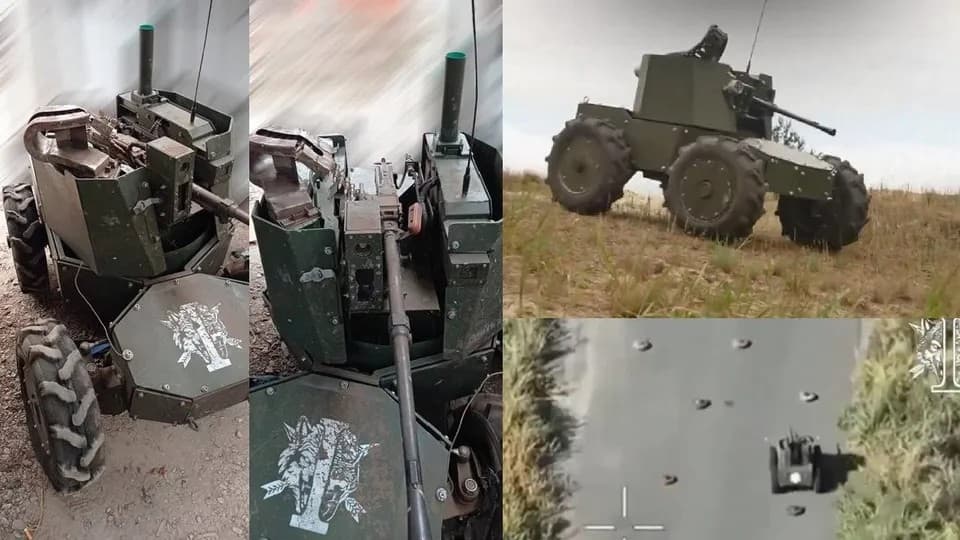
Fury. Via social media
Back in May, Ukrainian developers revealed a new armed ground robot—the Fury. Four months later, a Fury has fought—and reportedly won—the type’s first major skirmish. On or just before Thursday, one of the four-wheeled, shopping-cart-sized Furies assaulted a trench in Russia’s Kursk Oblast.
Dodging mines and firing its machine gun in coordination with explosive drones and mortars, the ’bot defeated a small group of Russian soldiers.
“The result: part of the enemy was destroyed, the rest fled,” the 1st Detachment of the 8th Special Purpose Regiment, the ’bot’s operator, announced on social media. “The [robot] received several hits from RPGs and FPVs”—rocket-propelled grenades and first-person-view drones—“but persevered, completed the mission and returned to recovery.”
The Fury is one of several armed unmanned ground vehicles Ukrainian engineers have developed in the 30 months since Russia widened its war on Ukraine—and one of the first types to see major combat. A Fury has four wheels, a radio for receiving operator commands, video cameras and a remotely-aimed machine gun. It’s thickly built with armor plates protecting its most vulnerable components.
“The Fury robot attacks the Russian positions and covers our defenders during the assault,” Mykhailo Fedorov, Ukraine’s innovation minister, wrote in May. “The military liked that it was easy to control, and noted the robot’s high level of radio and video communication, as well as its good sight and automatic fire both day and night.”
The Fury isn’t unique—the Russians have armed ground robots, too. But in winning and surviving its first big fight, the Fury stands out. Where aerial drones can maneuver freely in three dimensions, ground drones struggle with the many obstacles they routinely encounter even on paved surfaces: potholes and craters, fallen branches, steep slopes.
Unpaved surfaces are even more difficult to traverse. Simply reaching a battlefield is a big challenge for an unmanned ground vehicle—to say nothing of doing anything useful once it arrives. The Fury’s developers wisely emphasized mobility, and gave their ’bot big wheels, a low center of gravity and a high chassis with plenty of ground clearance.
It’s interesting where the Fury fought its first major skirmish: in the Russian village of Volfino, just across the Russia-Ukraine border. Volfino is on the western end of Ukraine’s second major thrust into Russia’s Kursk Oblast, which kicked off last week.
While a large Ukrainian forces fights to hold the 400 square miles of Kursk it captured back in August, a much smaller force—including the 8th Special Purpose Regiment and its Fury robot—is trying to advance into Kursk 20 miles to the west, apparently aiming to encircle Russian forces between it and the main Ukrainian salient.
It’s a long-shot operation for an overstretched Ukrainian military. But it’s got a little high-tech help in the form of at least one gun-armed ground robot.
4 Likes
Revealed: Russia anticipated Kursk incursion months in advance, seized papers show
Exclusive: Documents contain months of warnings about possible Ukrainian advance and also reveal concerns about morale
Fri 20 Sep 2024 00.00 EDT
Russia’s military command had anticipated Ukraine’s incursion into its Kursk region and had been making plans to prevent it for several months, according to a cache of documents that the Ukrainian army said it had seized from abandoned Russian positions in the region.
The disclosure makes the disarray among Russian forces after Ukraine’s attack in early August all the more embarrassing. The documents, shared with the Guardian, also reveal Russian concerns about morale in the ranks in Kursk, which intensified after the suicide of a soldier at the front who had reportedly been in a “prolonged state of depression due to his service in the Russian army”.
Unit commanders are given instructions to ensure soldiers consume Russian state media daily to maintain their “psychological condition”.
The Guardian could not independently verify the authenticity of the documents, though they bear the hallmarks of genuine Russian army communications. In late August, the Guardian met the Ukrainian special operations team who seized them, hours after they had left Russian territory. The team said they had taken Russian interior ministry, FSB and army documents from buildings in the Kursk region and later provided a selection to view and photograph.
Some of the documents are printed orders distributed to various units, while others are handwritten logs recording events and concerns at specific positions. The earliest entries are dated late in 2023, while the most recent documents are from just six weeks before Ukraine launched its incursion into the Kursk region on 6 August.
The documents mostly come from units of Russia’s 488th Guards Motorised Rifle Regiment, and in particular the second company of its 17th Battalion.
Ukraine’s incursion into Kursk took Kyiv’s western partners and many in the Ukrainian elite by surprise, as planning had been restricted to a very small number of people. But Russian military documents contain months of warnings about a possible incursion into the area and an attempt to occupy Sudzha, a town of 5,000 residents that has now been under Ukrainian occupation for more than a month.
An entry from 4 January spoke of the “potential for a breakthrough at the state border” by Ukrainian armed groups and ordered increased training to prepare to repel any attack. On 19 February, unit commanders were warned of Ukrainian plans for “a rapid push from the Sumy region into Russian territory, up to a depth of 80km [50 miles], to establish a four-day ‘corridor’ ahead of the arrival of the main Ukrainian army units on armoured vehicles”.
In mid-March, units at the border were ordered to boost defensive lines and “organise additional exercises for the leadership of units and strongpoints regarding the proper organisation of defences” in preparation for a Ukrainian cross-border attack.
In mid-June, there was a more specific warning of Ukrainian plans “in the direction Yunakivka-Sudzha, with the goal of taking Sudzha under control”, which did indeed happen in August. There was also a prediction that Ukraine would attempt to destroy a bridge over the Seym River to disrupt Russian supply lines in the region, which also later happened. The June document complained that Russian units stationed at the front “are filled only 60-70% on average, and primarily made up of reserves with weak training”.
When the Ukrainian attack came on 6 August, many Russian soldiers abandoned their positions, and within a week Ukraine had taken full control of Sudzha. “They ran away, without even evacuating or destroying their documents,” said a member of the special operations team who seized the files.
During Moscow’s chaotic retreat, Ukrainian forces captured hundreds of Russian soldiers, many of whom were conscripts, who are not generally expected to face battle. The parents of one conscript soldier from the second company, featured in the documents, recorded a tearful video appeal in August, identifying him as their 22-year-old son Vadim Kopylov, saying he had been taken prisoner near Sudzha and calling on Russian authorities to exchange him.
The documents give an insight into Russian tactics over the past year, in one case speaking of the need to create decoy trenches and positions to confuse Ukrainian reconnaissance drones. “Models of tanks, armoured vehicles and artillery launchers should be created as well as mannequins of soldiers, and they should be periodically moved around,” reads one order.
It adds that a few soldiers should be sent to the decoy positions to light fires at night and walk around with torches, and that Russia should create radio chatter about the decoy positions, with the aim of having it intercepted. It is unclear if such positions were ever created; members of a Ukrainian unit flying reconnaissance drones in the area in recent weeks told the Guardian they had seen no evidence of such positions.
In March, the Russian documents note that there were increasing incidents of Ukrainian sabotage groups disguising themselves for work behind Russian lines by wearing Russian uniforms. “To prevent enemy infiltration into our combat formations … commanders are to implement the use of identification marker variant n6, made from materials 8cm wide, to be attached using invisible tape,” reads an order from that month.
Buried in the dry, meandering official language are signs of serious problems with morale at the front. “The analysis of the current situation regarding suicides shows that the issue of servicemen dying as a result of suicidal incidents remains tense,” reads one entry. It recounts an incident that reportedly took place on 20 January this year, when a conscript soldier entered the summer washing area at a guard post and shot himself in the abdomen.
"The investigation into the incident determined that the cause of the suicide and death was a nervous and psychological breakdown, caused by his prolonged state of depression due to his service in the Russian army,” reads the handwritten report of the incident.
To prevent further such incidents, unit commanders are instructed to identify soldiers who “are mentally unprepared to fulfil their duties or prone to deviant behaviour, and organise their reassignment and transfer to military medical facilities”.
Further instructions on keeping up morale come in an undated, typed document that explains that soldiers should get 5-10 minutes a day as well as an hour once a week of political instruction, “aimed at maintaining and raising the political, moral and psychological condition of the personnel”
2 Likes