I spent too long trying to work out what that says
4 Likes

^ “Except assassins, normal citizens, Alexei Navalny, Boris Nemtsov, Maidan, Prigozhin’s half-baked rebellion, Shoigu’s incompetence and ballot boxes”
15 Likes
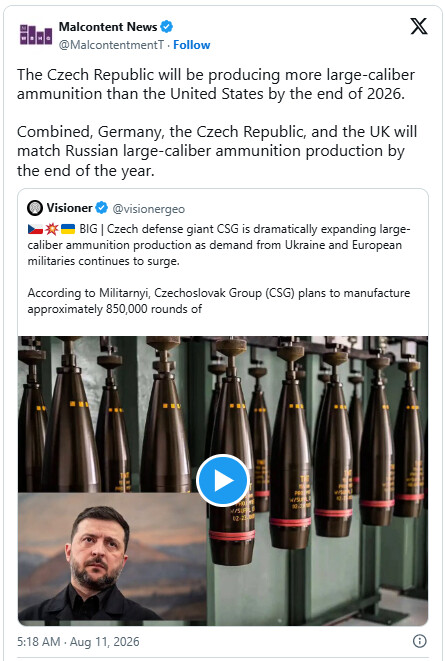
9 Likes
Looking forward to my daily read of “Russia returns to the stone age” thread when this one closes down.
3 Likes
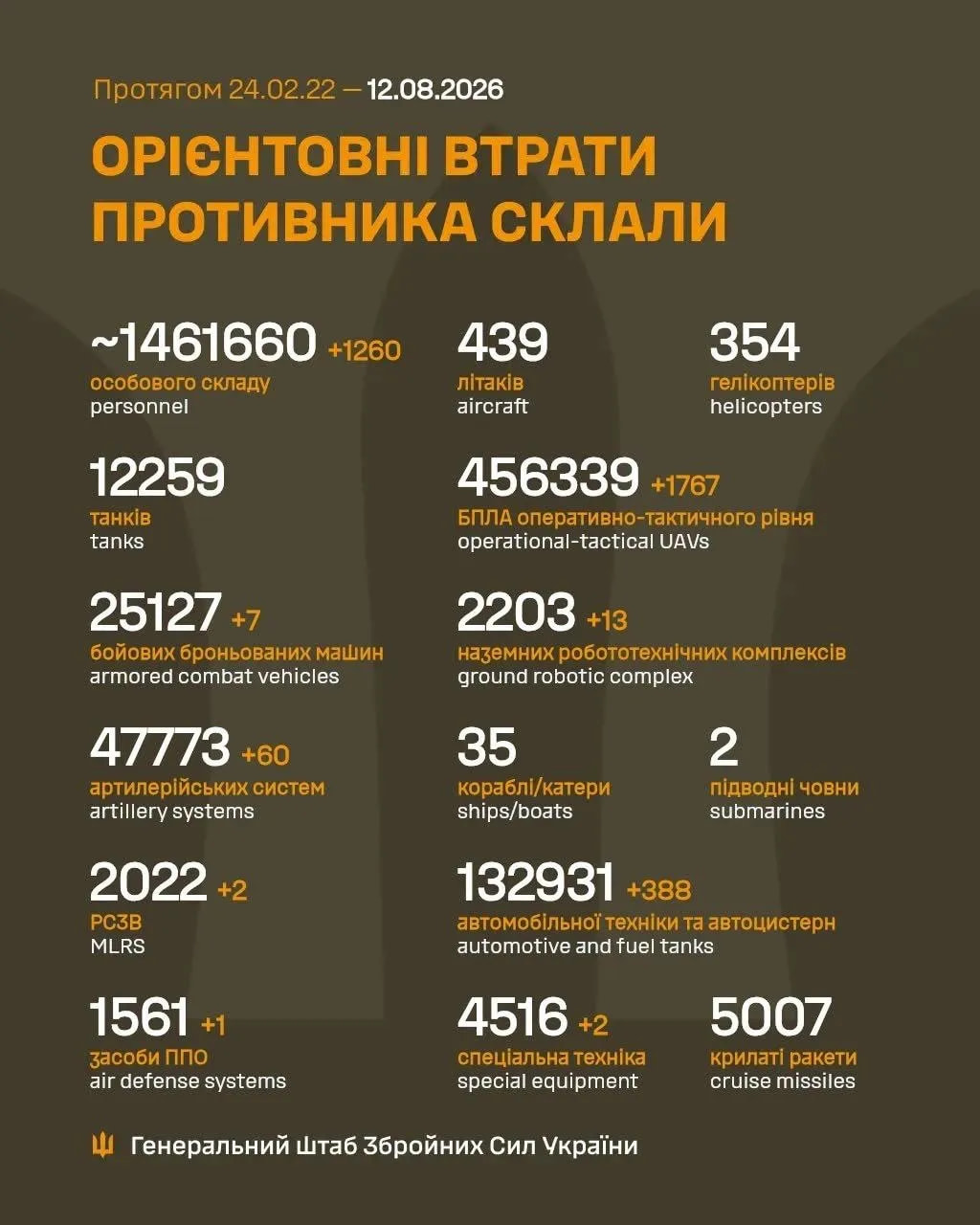
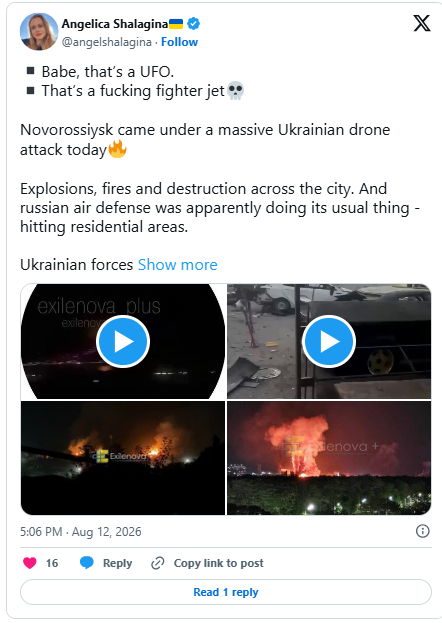
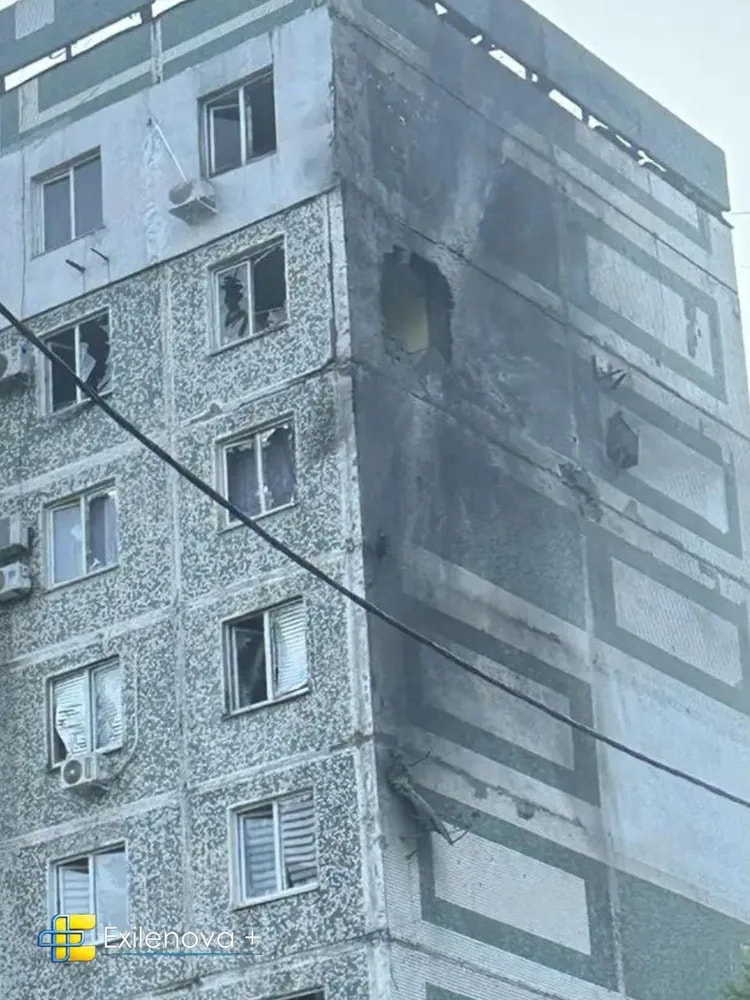
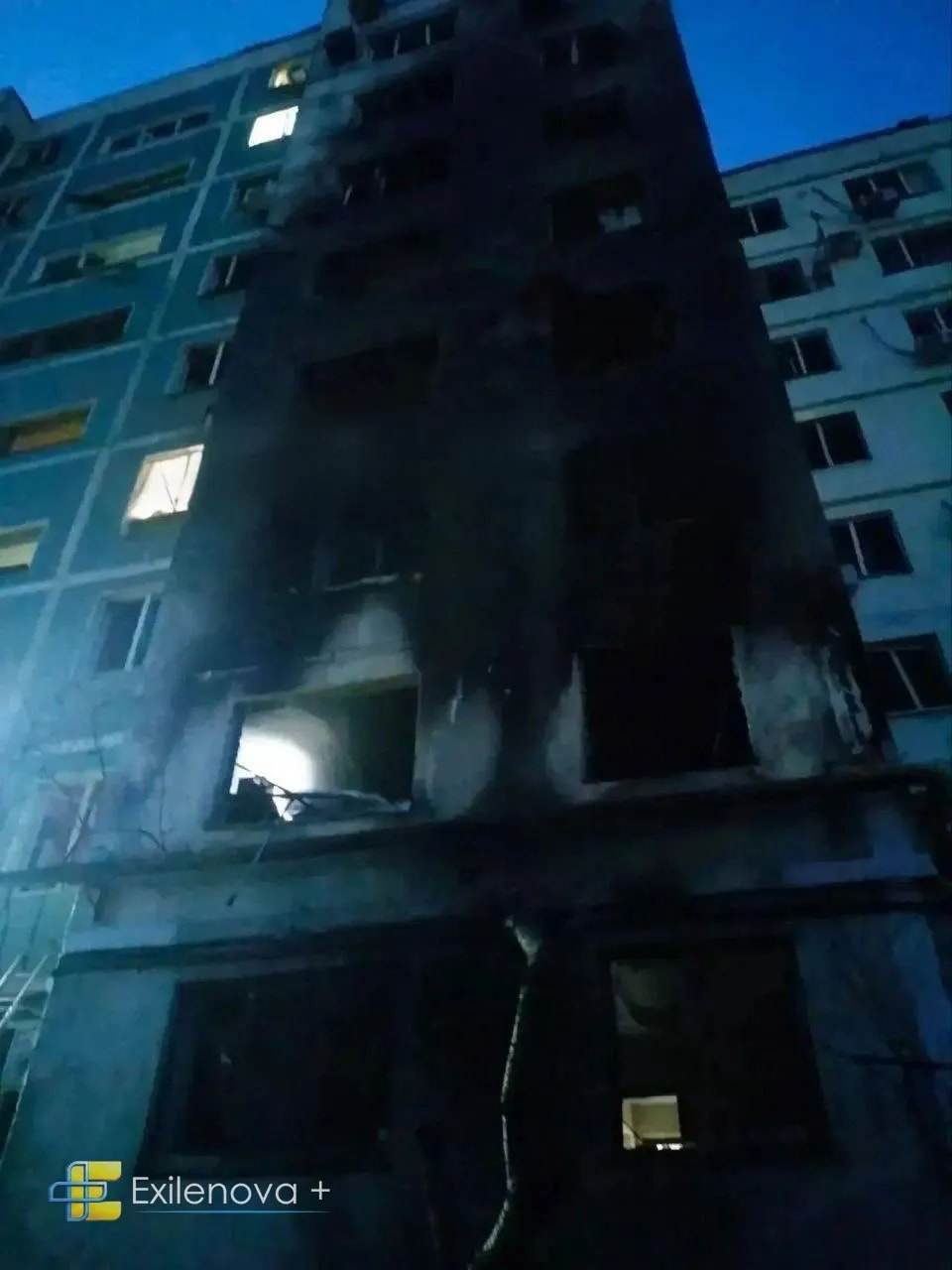
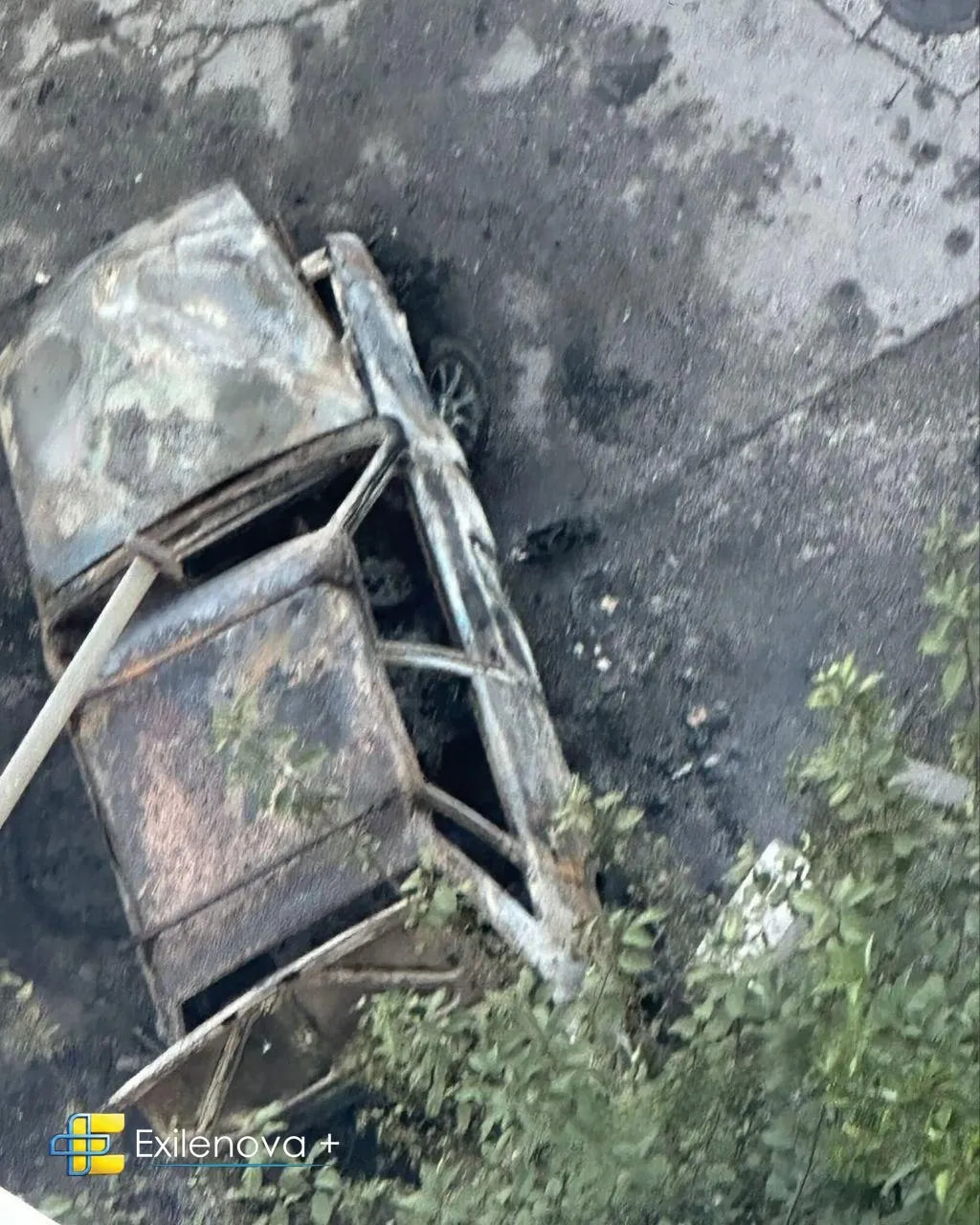
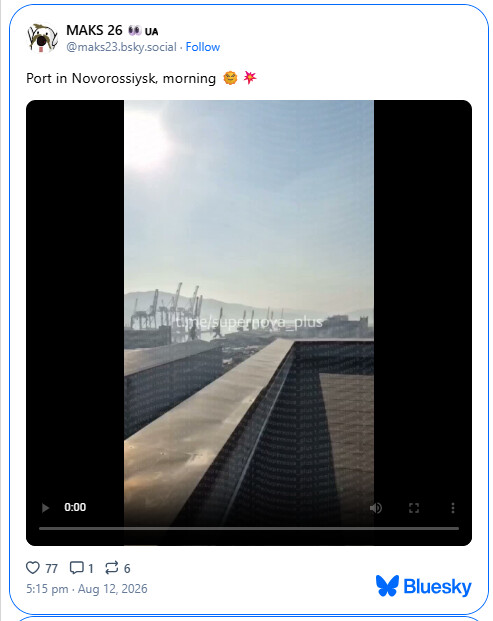
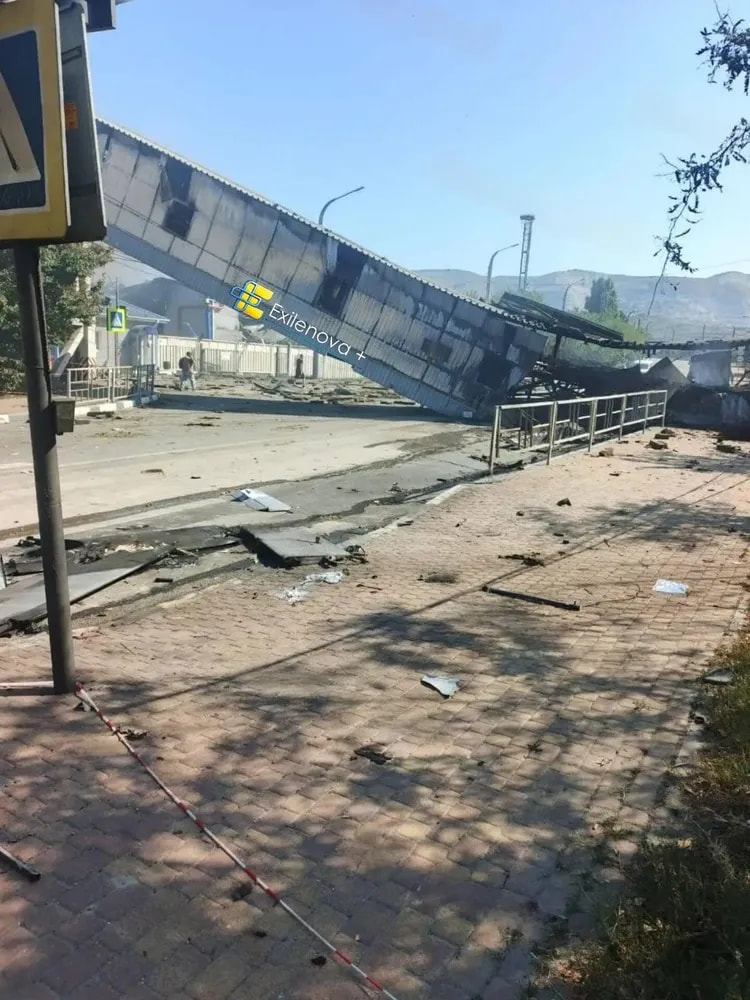
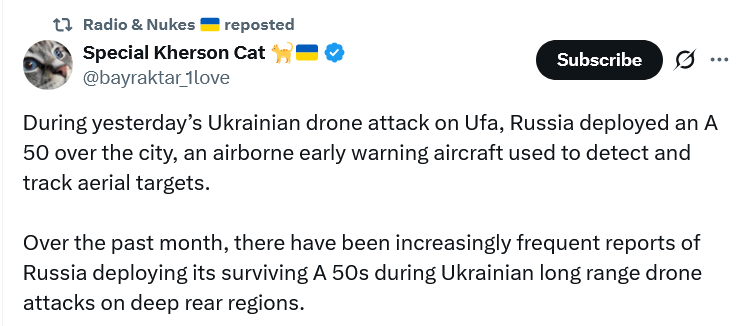
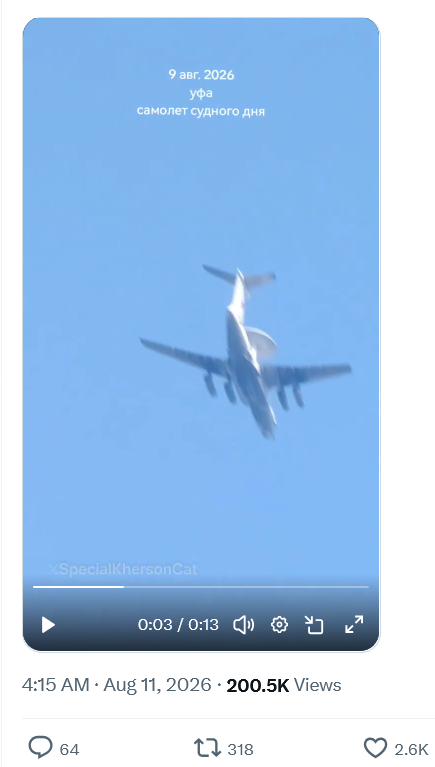
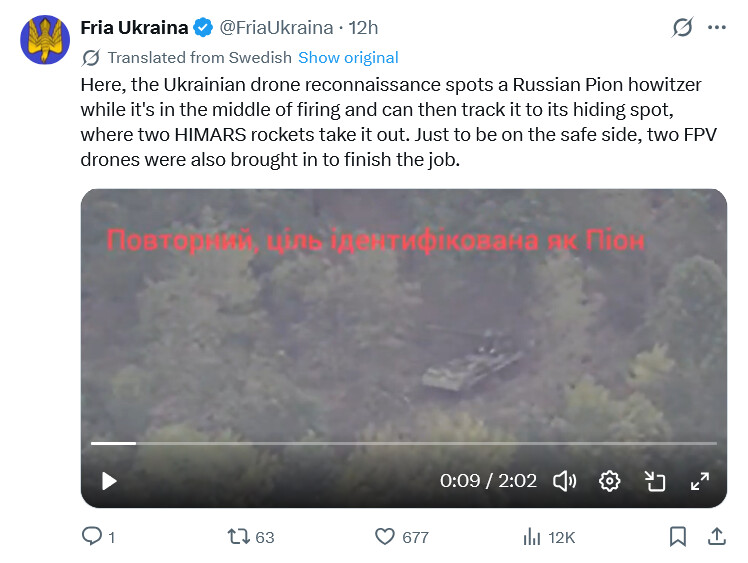
9 Likes
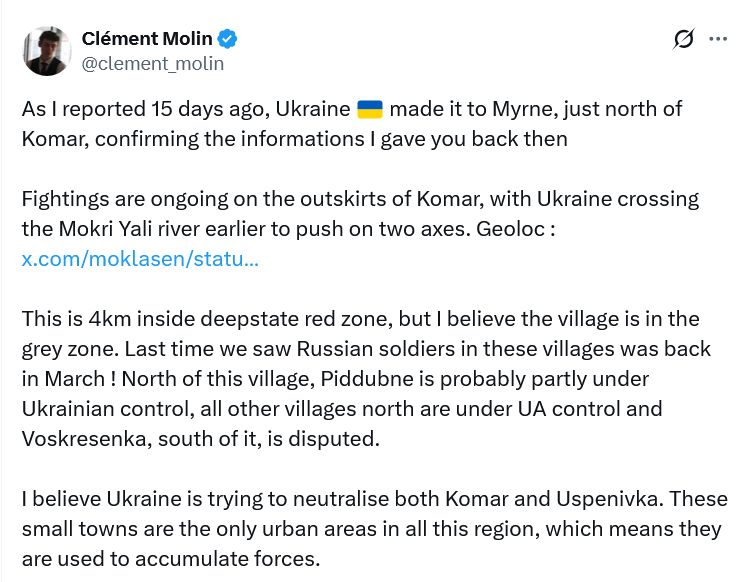
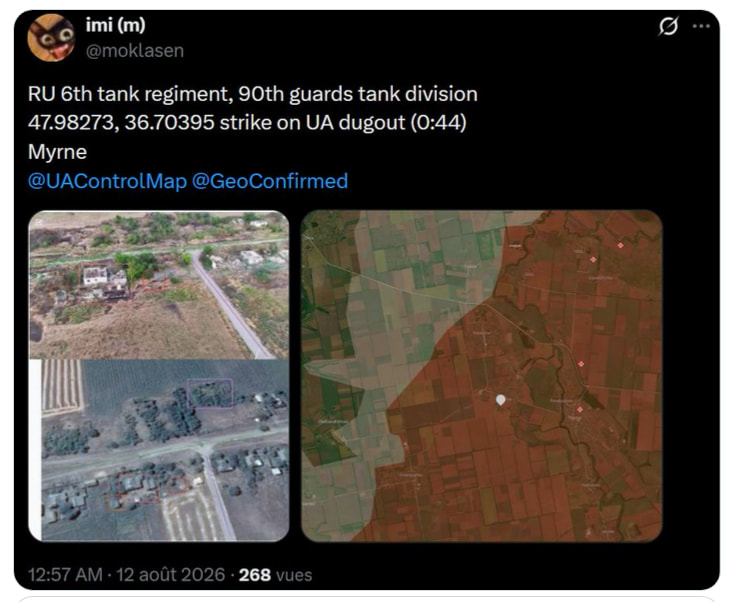
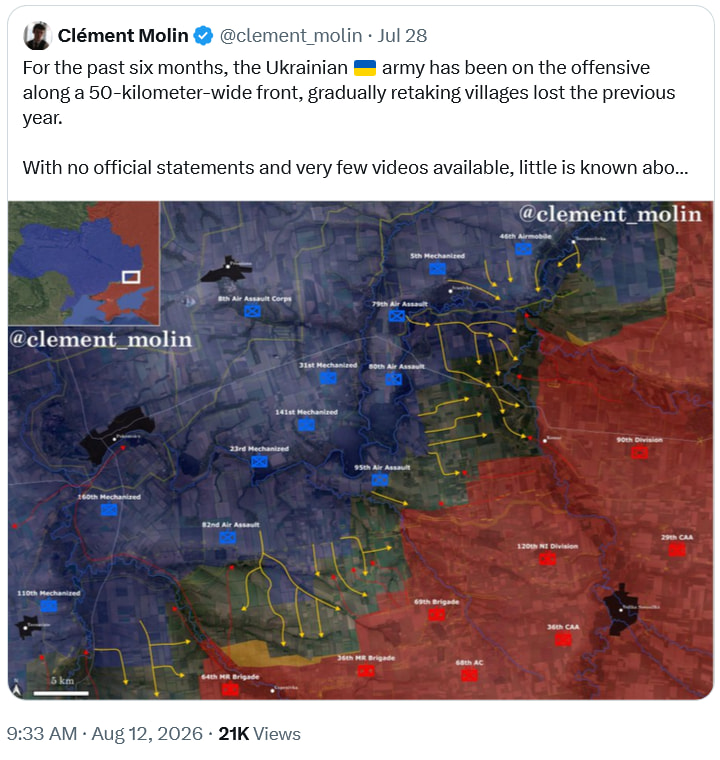
That early warning A50 aircraft sounds like a perfect target to me.
12 Likes
2 Likes
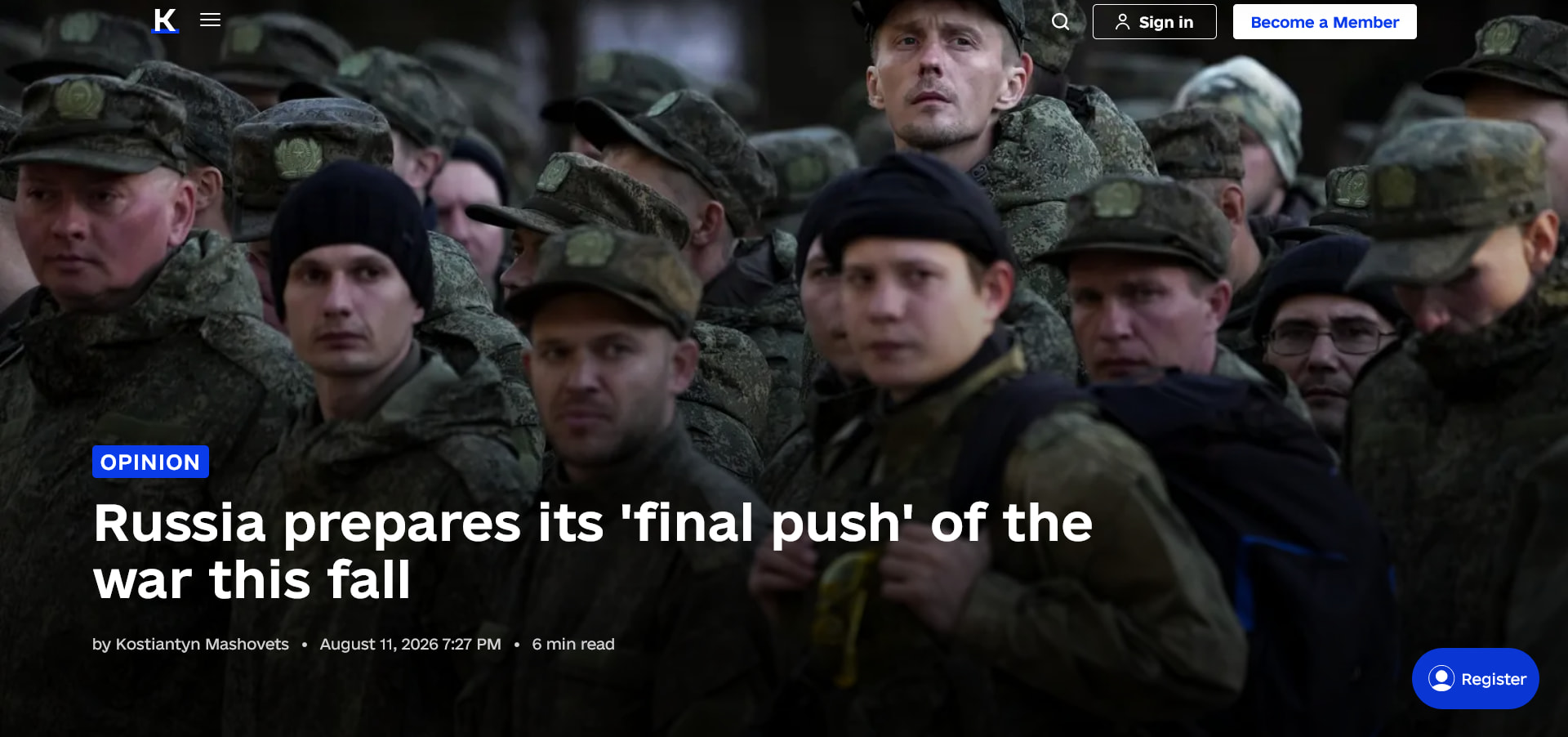
Russian citizens drafted during the partial mobilization are dispatched to combat coordination areas in Moscow, Russia, on Oct. 10, 2022. (Stringer / Anadolu Agency / Getty Images)
In Kyiv and the capitals of its allies, talk of a brutal “winter” awaiting Ukraine because of Russian strikes is a top matter on the agenda. And it’s quite likely that this very fall and winter will become Russia’s own kind of “last push” — an attempt to somehow turn the tide of its war.
Back at the start of the year, I said that in 2026 the Kremlin would find it absolutely essential to achieve what it calls a “korennoy perelom v voyne” (a “fundamental turning point in the war”) in order to close out the most costly and exhausting phase of the conflict on its own terms.
By early 2026, it was already obvious: Russia’s continued gamble on a war “of attrition” was losing, or had already lost, any real chance of paying off.
That strategy has been dragging the Kremlin, almost irreversibly, toward its own exhaustion, and at a considerably faster clip than Ukraine has been losing its capacity to resist.
Layered on top of that are other factors: deeply negative processes are building up inside Russia itself, fueled by the war; the Kremlin’s attempts to fully “cut off Ukraine’s oxygen” on the international stage never quite succeeded either. Nor did Moscow get much reassurance from its “Chinese comrades,” the Kremlin’s chief strategic ally, who never scaled up their involvement in the war to a level that would actually cost Beijing something.
Which is to say, the Kremlin was left needing to make yet another choice about where to take its strategy next: either slide into a mode of “war on a natural fade” — in effect abandoning its core objectives, declared or otherwise, and settling for whatever it had already grabbed, which means essentially declaring an informal pause in this “age-old” standoff with Ukraine under a de facto “no peace, no war” arrangement; or move into another round of “intensified effort” and try, once more, to force Ukraine out of the war quickly, on Moscow’s own terms.
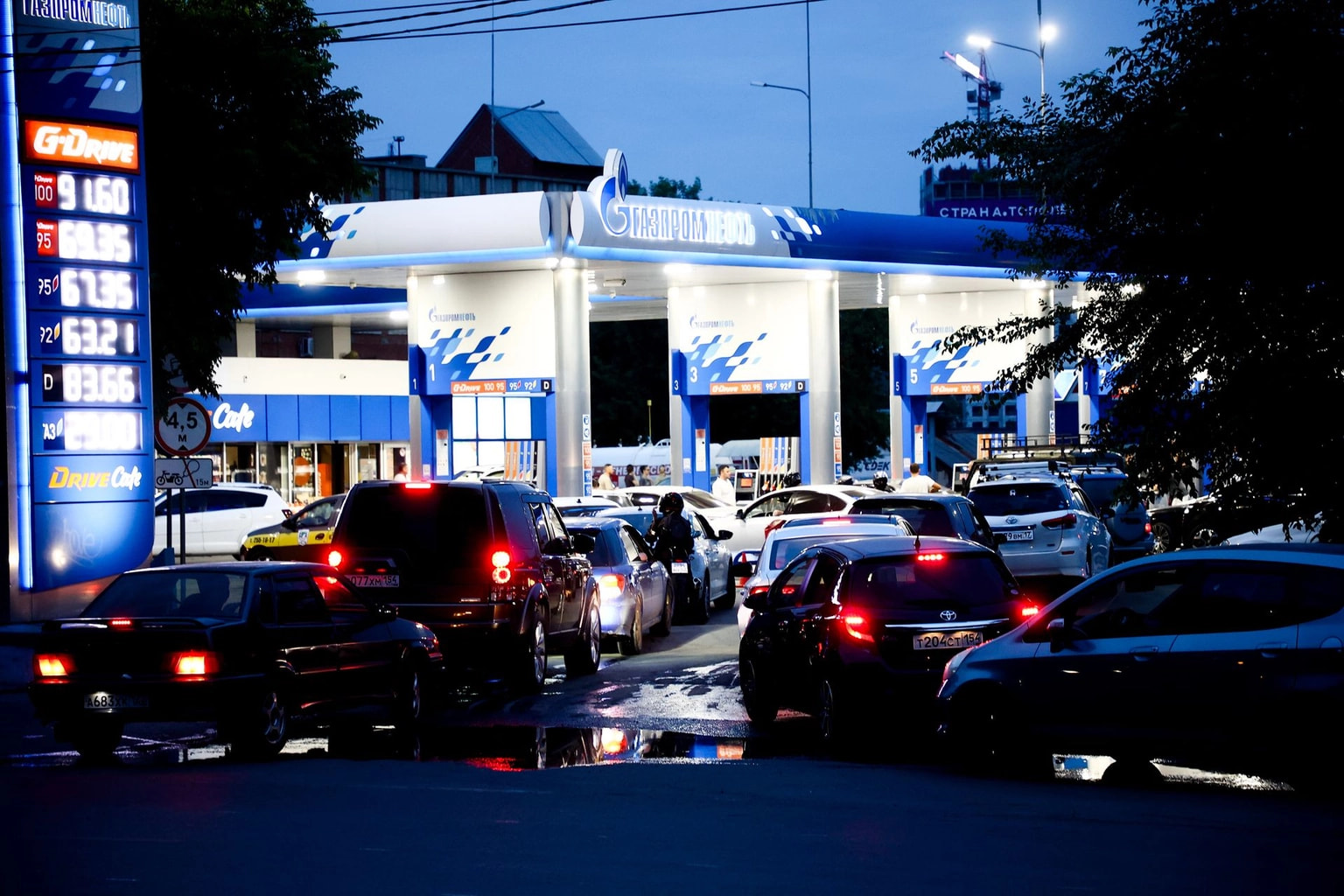
Long queues form at fuel stations in the early morning hours in Novosibirsk, Russia, on July 3, 2026, as gasoline and diesel shortages spread across more than 40 Russian regions. (Rostislav Netisov / Anadolu / Getty Images)
Either way, the Kremlin could no longer afford to sit on that decision. Compared with where things stood at the end of 2025 and the start of 2026, the overall strategic picture kept getting worse for Moscow — and dithering had become, quite literally, a matter of survival.
So, judging by the regime’s recent actions (and, in part, its rhetoric), the choice has been made — and it looks like option two.
Strategically, this is likely to unfold as follows. First comes another round of mobilization, followed by the further operational buildup of Russian forces inside Ukraine.
Next, a further ramping-up of long-range strikes across the whole of Ukraine’s territory and against the main groupings of its Armed Forces — the Russians will probably try, come fall, to really “jump out of their pants,” aiming to significantly degrade Ukraine’s capacity to resist through nearly continuous, massed, combined long-range strikes.
Another “strategic” offensive will demand enormous resources and money, and short of “mobilizing” the economy and financial sector — including the reserves, and various forms of “dekulakization” aimed at the local oligarchy.
On top of that will come a whole package of military-economic measures inside Russia itself, most likely further state monopolization of the economy, quite possibly accelerating in both scale and pace.
Without that, the first two steps risk collapsing into a kind of caricature: another “strategic” offensive will demand enormous resources and money, and short of “mobilizing” the economy and financial sector — including the reserves, and various forms of “dekulakization” aimed at the local oligarchy — the Kremlin simply has nowhere else to pull that money from right now.
Most likely, ahead of its next “strategic lunge,” the Kremlin will try to reduce market relations within its own economy to a bare minimum.
At the same time, on the socio-political front, turning Russia further into a single continuous military camp is becoming close to a prerequisite: any hint of oppositional thinking, let alone actual oppositional activity, will be punished swiftly and harshly, because you cannot run a large-scale, effective mobilization while “popular unrest” is left to smolder unchecked, let alone while dull discontent is left simmering in the background.
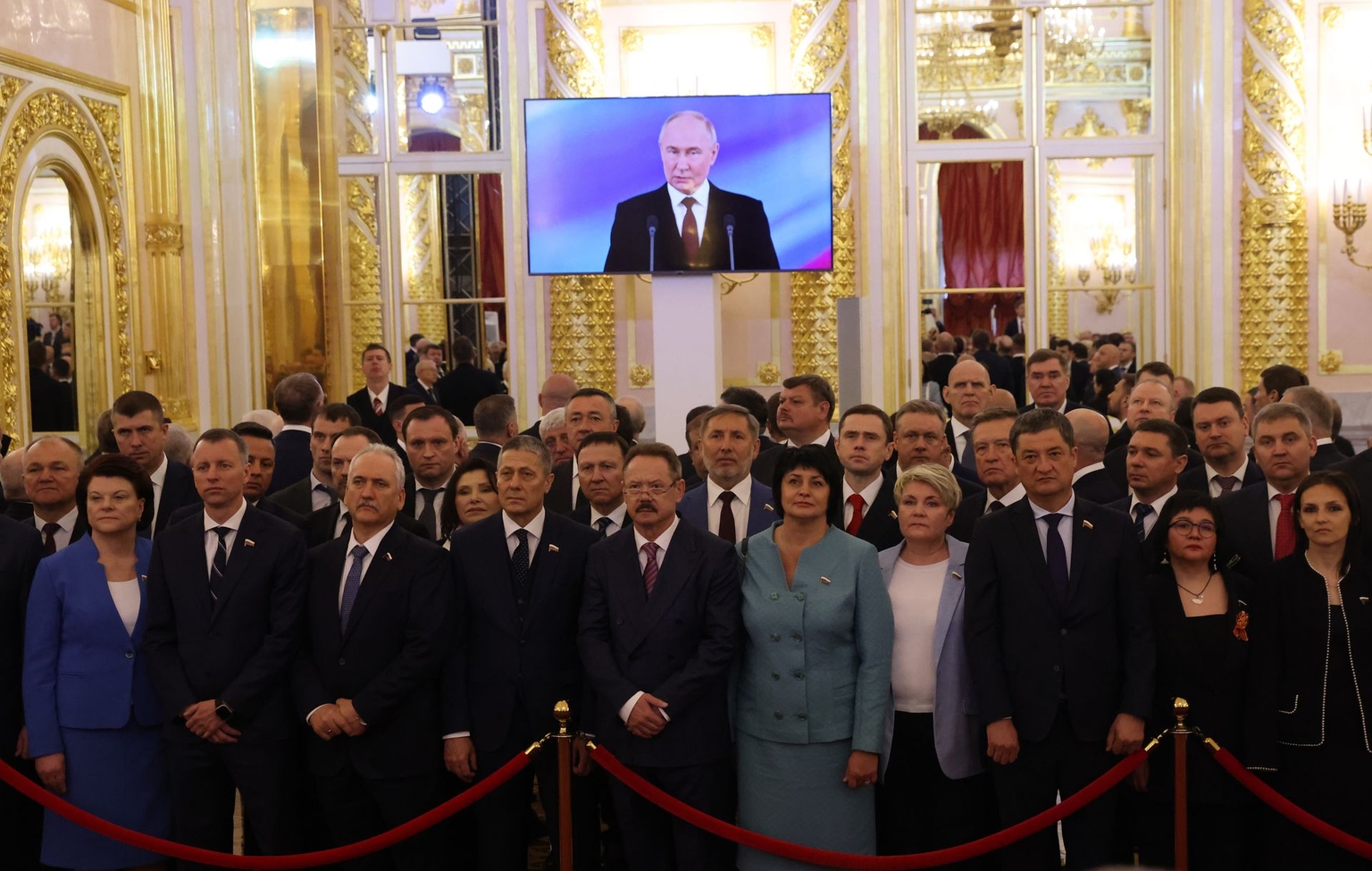
Russian State Duma members and other participants listen to President Vladimir Putin’s speech during his inauguration at the Alexandrovsky Hall of the Grand Kremlin Palace in Moscow, Russia, on May 7, 2024. (Contributor / Getty Images)
Which is why holding the upcoming parliamentary elections in a suitably calm and controlled manner, and further ramping up the information-psychological pressure on Russia’s own population, have become non-negotiable for the Kremlin.
And finally, on the international stage, the Kremlin will obviously try with everything it has to minimize — or, where possible, block outright — any effective assistance to Ukraine, above all military-technical and financial aid, and it will try to do so in a way that ensures the volume of that aid doesn’t have time to fundamentally shift Ukraine’s Defense Forces’ combat capability before its “final lunge” gets underway.
Still, it’s worth understanding that the decisive factor in carrying out this forcibly postponed final strategic “push” will, for the Kremlin, be the military one. Because that “lunge” has to be planned, organized, prepared, and executed in practice — that is, directly on the battlefield.
The Kremlin has already grasped two basic things about its current strategic position: continuing to drag out its participation in a war this costly is dangerous, so it needs to sharply and massively “accelerate”; and while its first such attempt — I mean the ongoing Sloviansk-Kramatorsk offensive operation, which is still crawling along fairly limply — turned out, let’s say, not entirely successful, it’s still worth repeating with “fresh forces,” “fresh people,” and possibly in a “fresh location.”
Editor’s note: The opinions expressed in the op-ed section are those of the authors and do not purport to reflect the views of the Kyiv Independent.
7 Likes
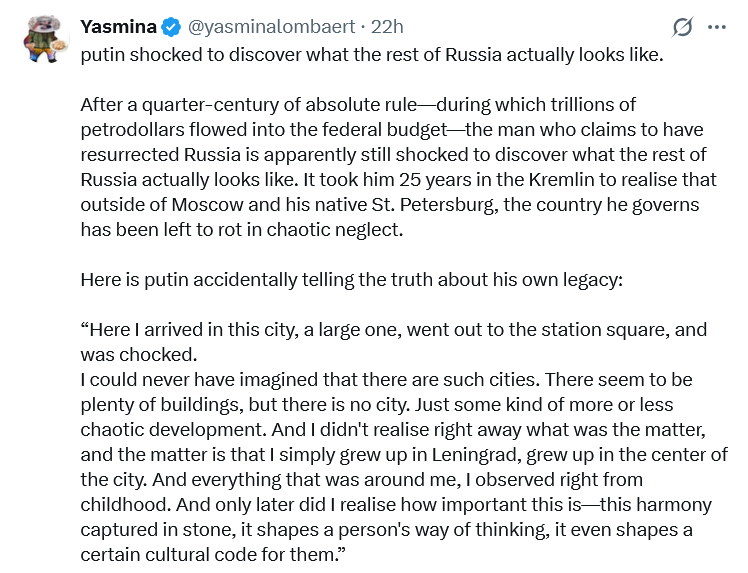
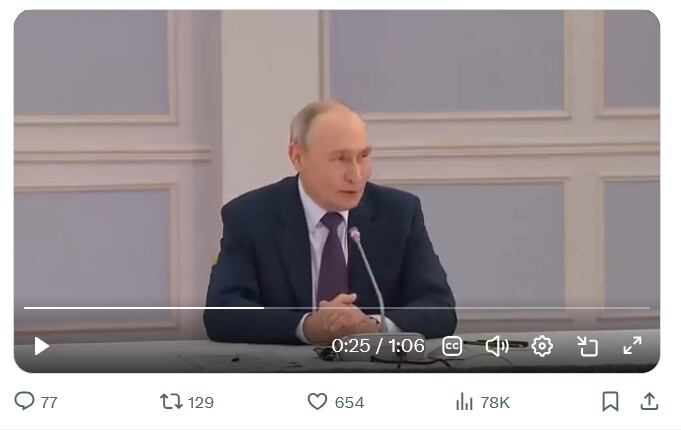

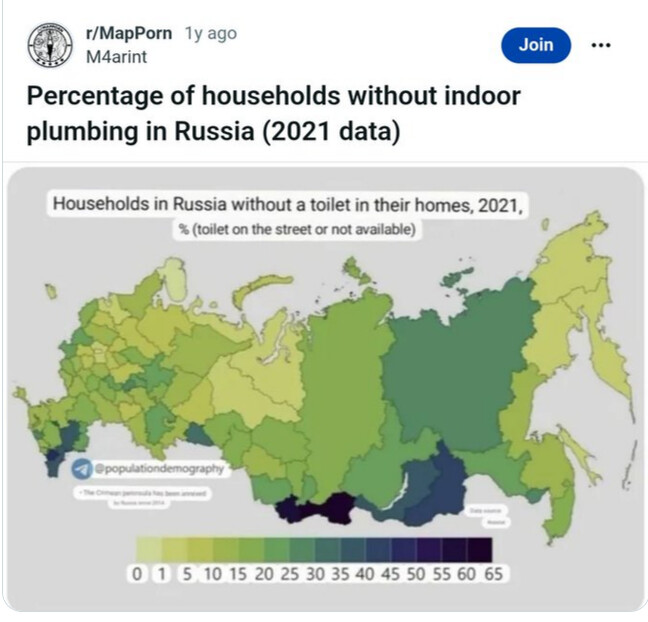
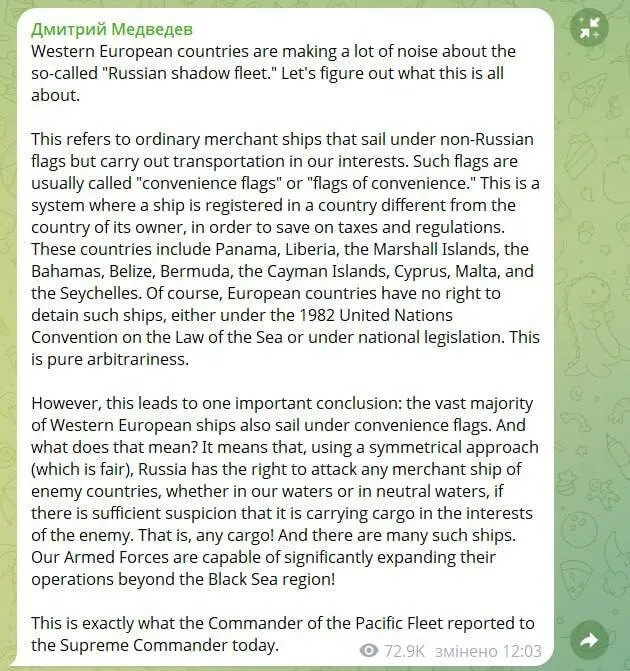
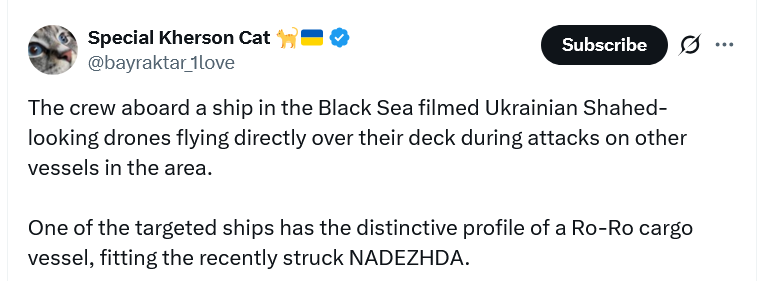
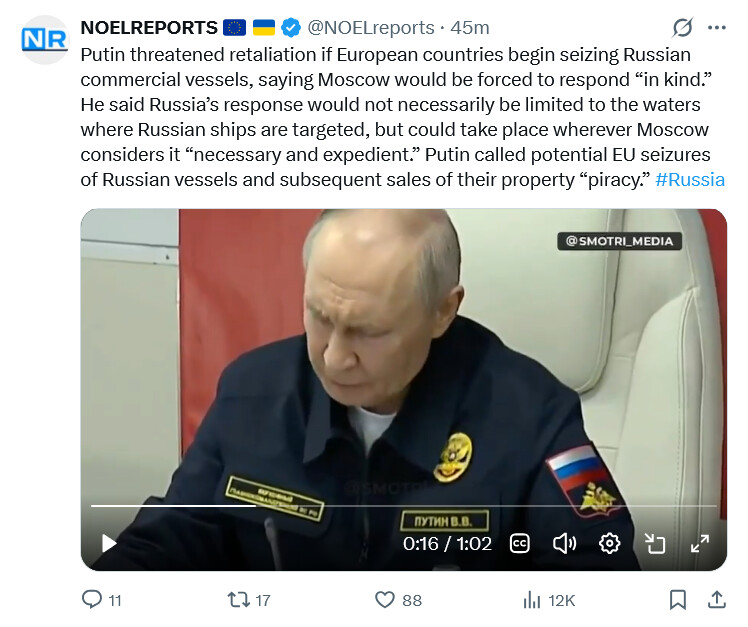
So, Russia has the right to attack any commercial vessel belonging to enemy countries, whether in our waters or neutral waters, if there is sufficient reason to suspect it is carrying cargo in the enemy’s interests. Any cargo! And there are plenty of such vessels.
The Russian armed forces are capable of dramatically expanding their operations beyond the Black Sea!"
2 Likes
Since most of their naval operations in the Black Sea are actually UNDER the Black Sea, is he saying their ships will be sunk everywhere else?
6 Likes
Good Morning everyone
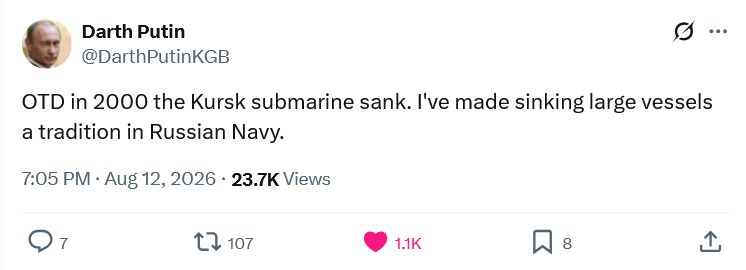
From last year
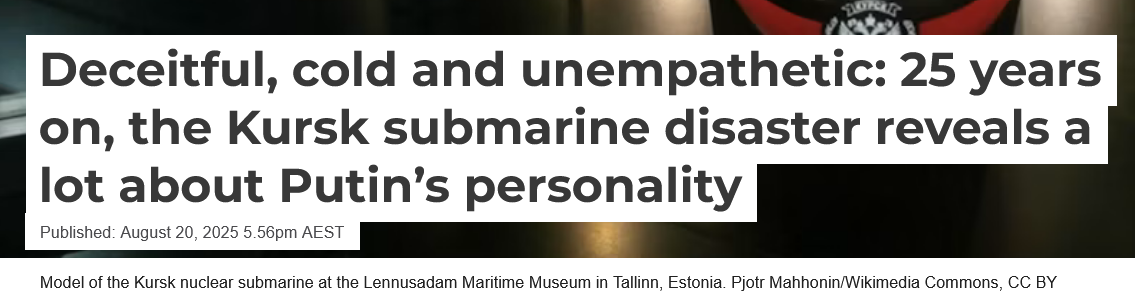
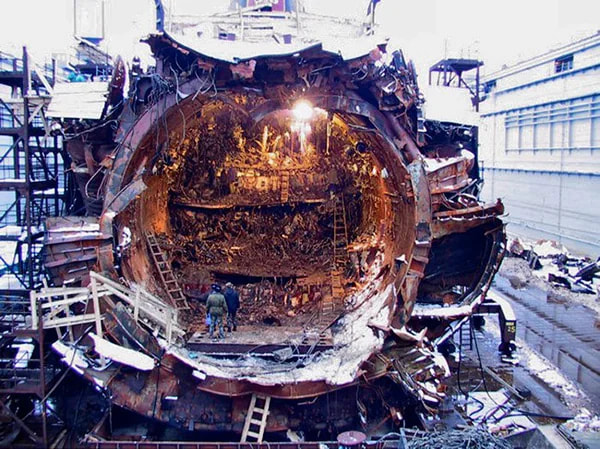
During his first term, Vladimir Putin had to confront a raft of political and economic challenges, including the Chechen wars, conflict in Iraq, and the unchecked power of Russia’s oligarchs. He also faced a major tragedy that he handled disastrously, and which undermined his image as a strong and competent leader: the sinking of the Kursk nuclear submarine.
On August 12 2000, the Kursk sank during exercises in the Barents Sea. The 118 sailors on board sent signals to the command centre, but received no response. They remained in complete darkness, with only enough oxygen to last a few hours. The United Kingdom and Norway offered help on the same day, but Russia did not respond. Rescue efforts did not begin until eight days later, when all of the crew were long dead.
When the submarine was finally recovered, a chilling letter was found from one of the officers:
“It’s too dark to write, but I’ll try by touch. It seems we have no chance of survival. Only a 10–20% chance. Let’s hope that at least someone will read this… Hello to all, don’t despair. – Kolesnikov”
While the submariners on board the Kursk hung on knowing they had only minimal chances of survival, the newly inaugurated president was on holiday in the city of Sochi. He did not return until August 17, when the sailors’ families were waiting for him in the town of Vidyayevo, outraged and ready to demand accountability.
A poorly managed disaster
The tragedy was widely covered by national television station ORT, owned by Boris Berezovsky, one of the most powerful oligarchs of the time. ORT journalist Sergei Dorenko harshly criticised the military and government’s negligence, including its poor maintenance of submarines, as well as sailors’ appalling living conditions, abusive working hours and miserable wages.
He also refuted Putin’s story, who claimed that the rescue was impossible due to storms. “I am very sorry to have to contradict the president… but on Wednesday, 17 August, there was no longer a storm. Furthermore, at a depth of 100 metres, where the submarine was, the storm cannot be felt,” he said.
Over time, it was proven that the Kursk had not been attacked by an American missile, as suggested by the Kremlin, but had sunk due to the explosion of an internal torpedo, which caused a fire and the subsequent detonation of other torpedoes. The explosions were so powerful that they were detected by several ships in the area.
The “firehose of falsehood”
When meeting with the families, Putin appeared cold and lacking in empathy. In response to criticism in the media, he insisted that these were television “manoeuvres” to discredit the government and damage Russia’s military.
This pattern of behaviour – concealing the truth and blaming external enemies – has recurred throughout his career.
During the 2014 annexation of Crimea he blamed “Nazis” and the United States for provoking the revolution in Ukraine, concealing the fact that Russian forces were already occupying administrative buildings on the peninsula. During the 2022 invasion of Ukraine he insisted again on the presence of “Nazis” in the country – and on the alleged threat from NATO – to legitimise the “special military operation”.
Read more: Truth and lies, trust and doubt: how should we be navigating the misinformation crisis?
Many of these claims lack internal logic and are based more on assumptions than facts. However, a large part of the Russian population has believed them, just as they believed Putin’s claim that the Kursk was attacked by American missiles. This phenomenon was described by Christopher Paul and Miriam Matthews as the “firehose of falsehood”: a propaganda strategy based on producing an avalanche of baseless lies that, if repeated often enough, end up seeming true.
The truth, in our times, usually belongs to those who hold power. ORT, along with Berezovsky himself, ended up under state control. The oligarch was persecuted and, in 2013, was found dead in strange circumstances. The full truth about the Kursk was not revealed until much later.
It is therefore is the duty of every citizen to question official accounts, critically examine the narratives of leaders, and not be swayed by the “firehose” of falsehoods, no matter how apparently logical or appealing they may first seem.
6 Likes

4 Likes