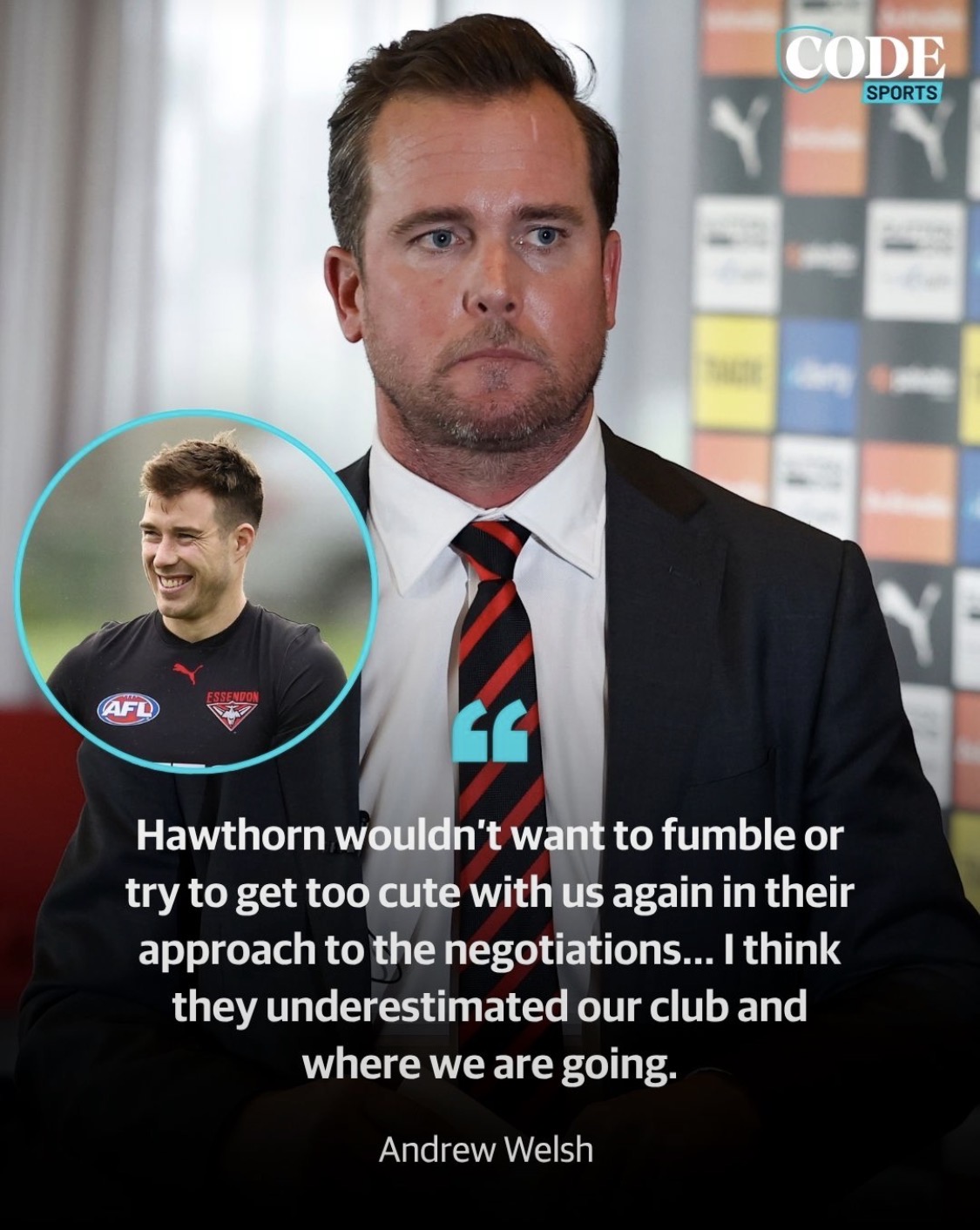
Because most football execs come from the business world. They’ve all done deals too, they just don’t feel the need to remind us of it every time they open their mouths. He is not different or unique because he runs a nepo property business. Just shut up and try not to make yourself look stupid for a change.
Nobody’s saying accept the first deal that’s offered. He got involved last year and made statements he couldn’t back away from - that’s not how you negotiate.
Just stay out of the papers for now. The truth is their first offer was pretty close to what we’d hope for, this playing it out in the media is unnecessary - for now.
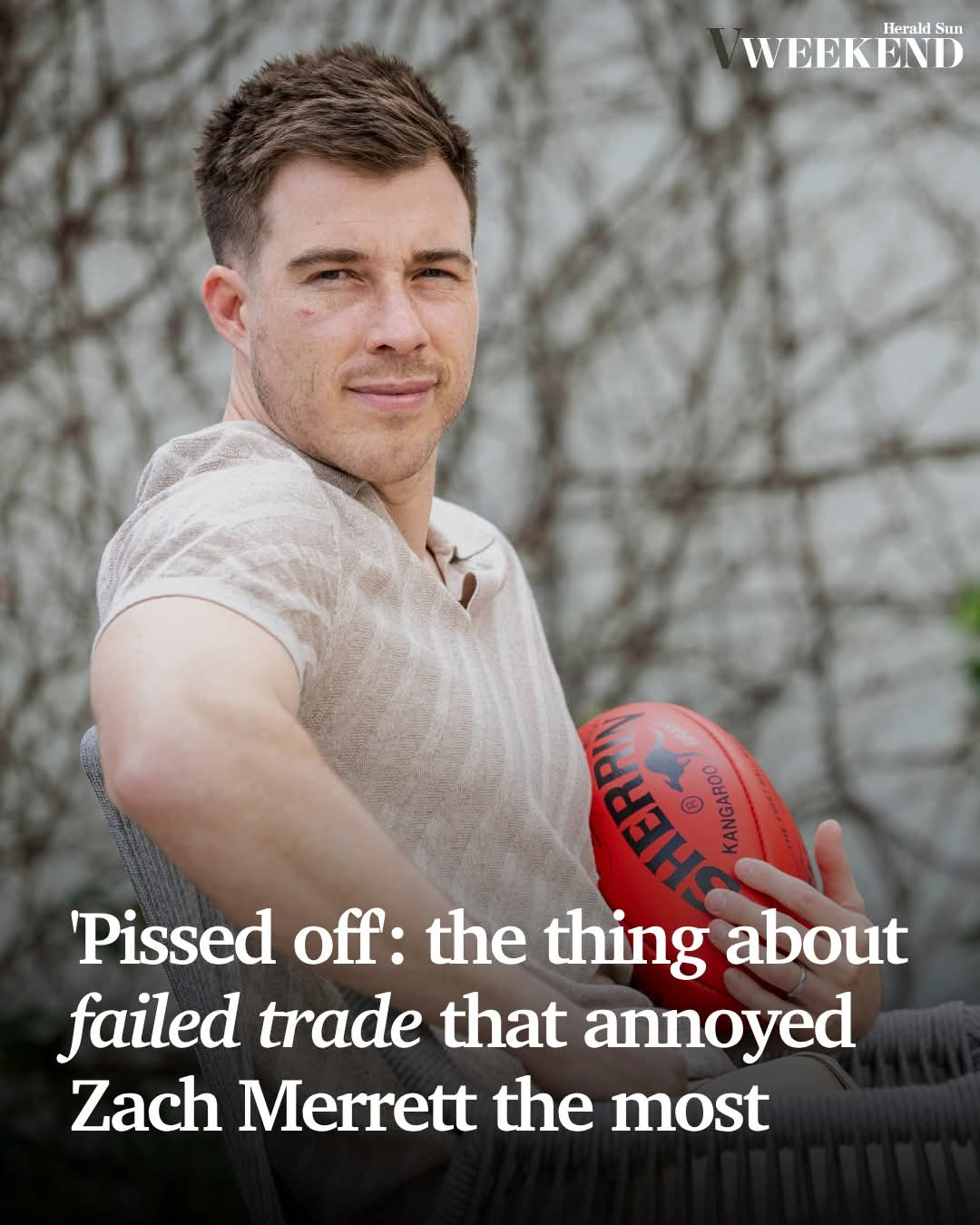
Welsh does come across as cringe in that article, and we certainly would have got a better deal for Merrett agreeing to the trade last year.
However, there is a certain rationality in having the President as coming across as somewhat irrational. Yes, it kind of works as a “good cop, bad cop” dynamic and it signals tactically that the club feels like they have a suitable alternative to a negotiated deal (I don’t want Merrett at the club next and I don’t that is a suitable outcome). The important thing with the suitable alternative is not that it is actually one but that the other actor thinks you think it is one (and that is assisted with Welsh acting irrationally).
Both of these are just at a tactical level though. Strategically, being prepared to lose out on one transaction can be beneficial in a scenario where you have repeat transactions with the same players. The idea is that it discourages a particular behaviour that you feel is overall more detrimental to your prospects than the less good outcome of the transaction. In this instance, it is clubs cultivating required players under contract or players under contract seeking out other clubs without going through administration.
Is this intentionally happening here? Honestly I would have no idea. But what I would say is that there is still a certain logic to Welsh’s behaviour around Merrett.