Thanks Bacchus. Any tips on places to stay?
Well, I am a luxury sort of bloke and we have stayed twice at Seabreeze Resort. Cannot talk about any other places but this is very nice, great location and they do not allow children !
Actually most Pacific Islands we have been have good, Tahiti, New Caledonia, Solomons, Vanuatu . Didn’t care that much for Fiji, but probably because I got mugged in Suva once when I there on business.
1 Like
@loyalandproud i’ll get the stuff to you on Monday.
Let me know if there is anywhere in particular you want to see and i’ll incorporate it into the itinerary for you.
To get you warmed up this is my guided tour trip from 2015 which was my first experience of Japan. It pretty much ticks all the big boxes.
Monday 30 March 2015 - TOUR
Day 01: Sun 29 March Australia Tokyo
This afternoon, you will be met at Melbourne Airport by your tour Escort - Jo then board your overnight flight via Hong Kong to Tokyo.
Day 02: Mon 30 March Arrive Tokyo (L.D)
Arrive Narita airport in the morning. After Immigration and Customs Clearance, you will be welcomed by our representative and transferred to a local restaurant to have early lunch. Check in at your hotel after lunch and enjoy the rest of the afternoon at leisure. A Japanese style Welcome Dinner will be served tonight.
Tokyo Dome Hotel: 2nights
1-3-61 Koraku, Bunkyo-Ku
Tokyo.
Ph: 81 3 5800 9999
Day 03: Tue 31 March Tokyo Sightseeing (B.L.D)
This morning, after breakfast, you leave the hotel for a sightseeing tour of Tokyo. Visit Tokyo Tower, which is the worlds tallest self-supporting steel tower, opened in 1958. Visit Happo-en to experience the Tea Ceremony and Imperial Palace Plaza and Bonsai Museum. Have lunch at a local restaurant followed by a drive through the National Diet Building. Next enjoy a Sumida River Cruise, a forty-minute boat ride from Hinode Pier on Tokyo Bay to Asakusa. The river was the most important waterway for the development to Tokyo. Visit Asakusa Kannon Temple and Nakamise Shopping Street. The legend has it that fisherman brothers discovered an image of Kannon (the
goddess of mercy) in the Sumida River around 1370 years ago and they were inspired to enshrine it. Its symbol is a large red paper lantern that bears the word Kaminari-mon, or a thunder gate.
Day 04: Wed 01 April Tokyo-Hakone-Kawaguchiko (B.L.D)
After breakfast, we visit Koishikawa Botanical Garden, a spacious botanical garden maintained by the University of Tokyo, featuring many tree and plant species, as well as a small Japanese landscape garden which is particularly nice during the Cherry Blossom season. Afterwards we travel by coach to the beautiful mountain area of Hakone. Visit the Peace Park, Owakutani Hot spring, and enjoy a cruise on Lake Ashi. We will be staying at a traditional Japanese Ryokan tonight where you can enjoy a complimentary hot spring spa after dinner.
Hotel Royal Kawaguchiko: 1night
6713-22 Funatsu, Fujikawaguchiko-machi,
Minamitsuru-gun, Yamanashi
Ph: 81 555 73 2228
Day 05: Thu 02 April Kawaguchiko-Mt.Fuji-Nagoya (B.L.D)
Today we commence our trip Mt. Fuji. By coach, we climb up to the 5th station which is about 2300 meters above sea level. Visit the Visitor Centre and Green tea farm. Then our coach will take you to th train station for a Bullet Train trip to Nagoya where we will stay overnight after dinner.
Castle Plaza Hotel: 1 night
4-3-25 Meieki, Nakamura-Ku
Nagoya.
Ph: 81 52 582 2121
Day 06: Fri 03 April Nagoya- Hiroshima (B.L)
After breakfast and baggage collection (your baggage will be shipped separately to your hotel in Kyoto on day 8) please prepare your overnight bags during your stay in Hiroshima, leave the hotel and depart Nagoya on JR Bullet Train and arrive at Hiroshima in 2:15 hours. A packed lunch will be provided. Transfer by foot to your hotel with your guide. Check in at hotel and enjoy the rest of your afternoon and evening at leisure.
ANA Crowne Plaza Hotel: 2 nights
7-20 Nakamachi, Naka-Ku,
Hiroshima.
Ph: 81 82 241 1111
Day 07: Sat 04 April Hiroshima and Miyajima Sightseeing (B.L.D)
Today you will leave the hotel for a sightseeing tour of Hiroshima and Miyajima. You will visit the Itsukushima Shrine. Miyajima Island is the popular name of Itsuku-shima Island situated in Miyajima Town south-western Hiroshima. It is a scenic sight in which the mountains, sea and red shrine buildings blend in harmony, and the entire island is designated as a historic site. It is one of the three most beautiful sites in Japan, along with Matsushima in Miyagi and Ama-no-hashidate in Kyoto. Next, visit Peace Memorial Park. The Genbaku-dome (The Atomic Bomb Dome) is the symbol of Hiroshima, the city that advocates peace in the world. It is located in Hiroshima and faces Hiroshima Bay in the Seto Inland Sea. It was originally the Hiroshima Industrial Promotion
Hall built in 1915. While all structures vanished in the atomic bomb explosion, only this building miraculously remained standing. It was 6 August 1945 when the first atomic bomb in history was dropped on Hiroshima. Transfer back to your hotel.
Day 08: Sun 05 April Hiroshima-Kyoto (B.L)
This morning we travel to Kyoto by Bullet train in 1:40 hours, Japans former imperial capital, famous for its beautiful ancient architecture where you will visit Heian Jingu Shrine. It is the home of perhaps the worlds most authentic and exquisite Japanese Garden, as well as the celebrated Golden Pavilion. Afterwards enjoy the Kimono show at Nishinjin showroom, and also a visit to Gion Corner, a popular nightspot where tourists can experience the authentic local life.
Kyoto Tokyu Hotel: 3 nights
Gojo-sagaru, Horikawa-dori, Shimogyo-ku,
Kyoto.
Ph: 81 75 341 2411
Day 09: Mon 06 April Kyoto (B.L.D)
This morning you will visit a promenade called Path of Philosophers and take a short walking tour from Nanzenji Temple. The Philosophers Path is a pleasant stone path through the northern part of Kyoto’s Higashiyama district. The path follows a canal which is lined by hundreds of cherry trees. Usually in early April, these trees explode with colour making this one of the citys most popular cherry blossom viewing spots. The path gets its name due to Nishida Kitaro, one of Japan’s most famous philosophers, who was said to practice meditation whilst walking this route on his daily commute to Kyoto University. The afternoon will be free for your own activities.
Day 10:Tue 07 April Kyoto-Nara-Kyoto (B.L.D)
After breakfast, you will leave the hotel for a sightseeing tour of Kyoto and Nara. Visit Nijo Castle which was built in the early 17th century. Ninomaru-goten, renovated in 1626, is renowned as a priceless example of the architectural style of that period. Lunch will be at a local restaurant. After lunch you will visit Todoiji Temple, the Daibutsuden (Great Buddha Hall), which is one of the worlds largest wooden buildings and one of the best known temples in Japan. It enshrines a gigantic bronze statue of Buddha. Next you will visit a deer park where the deer roam freely, lending a pastoral atmosphere to the park. Visitors may feed or pet them (special food is sold in the park grounds). Then visit Kasuga Shrine before transferring back to your hotel.
Day 11: Wed 08 April Kyoto-Osaka (B.L)
After breakfast we will transfer to Osaka by coach. You will visit Osaka Castle which is noted for its
magnificence and immense stones used in its construction. Many relics of the Toyotomi who built the castle originally and Old Osaka are exhibited inside. We then visit the Shinzaibashi area, one of Osakas major downtown areas, featuring many stores, such as Shinsaibashi-suji Shopping Centre. After lunch transfer to our hotel for check in. You have the afternoon and evening free to explore Osaka at your own pace.
Sheraton Miyako Hotel: 2 nights
6-1-55 Uehonmachi, Tennoji-Ku
Osaka
Ph: 81 6 6773 1111
Day 12: Thu 09 April Osaka-Hemeiji-Kobe-Osaka (B.L.D)
This morning we will depart for Hemieji Castle, which is of the most ancient and famous castles in Japan. After lunch, we travel to Kobe. Visit the Old Sake Breweries Museum. The Nada area has many breweries and there were three reasons for the development of Sake brewing in the 18th century that made the name of Nada known throughout Japan. One was the discovery of Miya-mizu, excellent water quality for making Sake; two, the production of high quality rice, in ingredient in Sake; and three, a convenient location for transportation by sea. Lunch today will be at a local restaurant. Next you will wonder along the Kobe portside and enjoy shopping
in China Town- Moto-machi, a lively town perfect for shopping, gourmet food and nightspots in the centre of Kobe. Under Kobe Station is a maze of shopping streets and, above ground, a big shopping arcade. This evening join your fellow travellers for a Farewell Dinner.
Day 13: Fri 10 April Osaka-Tokyo (B)
After an early breakfast, please make you way to the train station for your journey to Tokyo. Your unforgettable tour of Japan ends!
2 Likes
Wow thanks! Have sent you a DM.
2 Likes
ANA have really good deals from Sydney. No other Aussie cities have this price either.
https://www.ana.co.jp/en/au/plan-book/promotions/hellobluesale/
Book your own domestic if you want these prices.
2 Likes
This is really for anyone who wants some idea of what they can do while staying in Tokyo. Always happy to answer questions.
Possible Day Trips. Do them in any order you like.
Day 1.
Ochanomizu station (chou sobu local line).
Lemon stationery store (100 year old store).
Hijiri bashi bridge (famous photo spot).
Confusious temple (one of a few in Asia but this one is really black in colour).
Kanda Mjoyin temple (and general buildings around, good souvenirs if wanted).
Main street Akihabara (or turn right one street earlier for more local than tourist things to see).
Restaurant Platinum Fish (Cafe situation between two train lines. Was a former train station) or cure maid cafe (if you want good service with your meal or coffee. Is not the dancing loud type). If you prefer beer there is a pub in the same venue near the bridge on the corner.
Akihabara Radio Kaiken (if weekend can skip).
Yodobashi (Huge department store like Myer used to be in Melbourne but without the clothes).
Akiba UDX building for dinner with multiple options (and view of busy train lines). If you spend too long in Yodobashi the 9th floor also has many good restaurants.
Akihabara station to take you back to wherever you are staying.
Day 2.
I’ve given two routes here depending on what you prefer to do. You can actually do both if you like as it’s a really big day depending how much time you spend in each location. Chop and change to make it two days if you like.
Option A (try to pick for a good weather day).
Hamamatsuchō Station (yamanote line).
Walk to Hamarikyu Gardens. Enjoy the curated gardens. Go to Tsubame-no-ochaya within the gardens to have Japanese Green Tea. Remember to have some sort of sweet before the tea as westerners will find the tea bitter. The sweetness before helps a lot!
From the gardens buy tickets for the hama rikyu gardens pier to Asakusa Nitenmon Gate pier. You will be on a 20 / 30 minute cruise on the Sumida river.
Walk to Ushijima Shrine. Find the ox statue. Give it a pat and it will cure your medical problems (not guaranteed).
Walk to Skytree or if not as close as you want to be to take photos. Genmori Bridge is a good spot for this.
Walk to Asakusa Station to go to Nakamise-dori Street and Sensō-ji. Best to enter from Nakamise dori side then around the top (as it’s logically the shorter way there) but to get the full impact go via main entrance. Good spot for souvenirs and some local sweets. Very busy though but just get swept by it all and it’ll be fine. Grab your fortune as well for 100 yen. This is one of the few shrines in Tokyo that has your fortune translated to English as well.
If time permits, Kappabashi Dougu Street. Basically a kitchen supplier area. You can find good utensils or the imitation food displays a lot of restaurants have.
Return to either Asakusa Station or Ueno station to return to hotel.
Option B.
Ryogoku Station (chou sobu local line).
Sumida Hokusai Museum. Probably Japans most influential artist known worldwide. Going here first also gives you a sense of the journey to follow along the Sumida River.
Former Yasuda Garden
Japanese Sword Museum
Yokoamicho Park
Great Kanto Earthquake Memorial Museum
(these are all small museums so don’t stress too much)
Follow the Sumida river along the banks to Ushijima Shrine. Find the ox statue. Give it a pat and it will cure your medical problems (not guaranteed).
Walk to Skytree or if not as close as you want to be to take photos. Genmori Bridge is a good spot for this.
Walk to Asakusa Station to go to Nakamise-dori Street and Sensō-ji. Best to enter from Nakamise dori side then around the top (as it’s logically the shorter way there) but to get the full impact go via main entrance. Good spot for souvenirs and some local sweets. Very busy though but just get swept by it all and it’ll be fine. Grab your fortune as well for 100 yen. This is one of the few shrines in Tokyo that has your fortune translated to English as well.
If time permits, Kappabashi Dougu Street. Basically a kitchen supplier area. You can find good utensils or the imitation food displays a lot of restaurants have.
Return to either Asakusa Station or Ueno station to return to hotel.
Day 3.
Make your way to Toyosu Station.
Go to either (or both) Super Viva Home Toyosu or Urban Dock Lalaport Toyosu. First is something like a Kmart combined with a Bunnings. Second is a big shopping centre.
Go back to Toyosu Station. Head upstairs to train. Enjoy this train ride if you can in the first or last carriage. You’ll notice this train has no driver!
Optional - Stop at Shin-Toyosu station and go to the teamLab Planets TOKYO. Digital art museum. Hard to explain. Google it. Very instagramable.
Optional – Stop at Ariake-tennis-no-mori and go to Small Worlds Tokyo. Lot of places in miniature. Might be a bit geeky. We found tickets cheaper via Agoda then buying at the door.
Stop at Daiba. You can here go to a bit robot statue outside a shopping plaza. Also have a look at the Fuji Television network building. Head back towards the water to see the Statue of Liberty. You will also find a LOVE sign which is popular for selfies / group shots as you can get that sign in, the statue and Rainbow bridge all together at the same time.
Walk along the water edge towards the bridge.
Walk across the bridge making sure to take the path on the right hand side. When walking across the bridge you get a really nice view of the bay, Tokyo, Skytree and Tokyo tower. Although it sounds dauting the walk it actually quite relaxed and not anywhere as steep as you think it is.
At the end there is an elevator to the ground floor. Walk to Shibaura-futo Station.
Option A.
If you haven’t done the Hamarikyu gardens take the train to Shimbashi (last stop) and walk from here.
To return to hotel the closest station is Shiodome but Shimbashi may be the better option as it’s a bigger station with more train lines.
Option B.
From Shimbashi station take a taxi to Tokyo Tower. I say taxi here cause Tokyo tower is one of those places where the stations are not all that convenient. Shouldn’t be too expensive. If you want to be
cheap you can walk (25 minutes) or train (about 20 minutes). You will also get good views from Zoji-ji which is another temple you can visit.
Train stations from here vary. Check which is best for your hotel.
Day 4.
Catch a train to Harajuku Station.
Walk to Meiji Jingu. Pay the fee to go to the private gardens. It’s worth it.
Head down to Yoyogi Park.
Head back towards Harajuku Station. Walk down Takeshita Street. Very pop culture sort of street. Towards the end by the main road a lot of sport brands have their main stores. If you are looking for toys head to Kiddy Land. Kiddy Land also has an entire floor dedicated to Peanuts (i.e. Snoopy). My partner loves this store.
Head back to Harajuku Station.
Take a train to Sendagaya Station (you will need to change trains at Shinjuku, be aware Shinjuku is the busiest train station in the world).
Take a tour of the Japan National Stadium.
Head to Olympic Symbol nearby to get a good photo with stadium and Olympic rings.
Head to Jingu Gaien / Ginko Avenue to enjoy the Ginkgo trees. Depending on the season you will get all variety of colours. If you like chocolate shakes, Shake Shack does really really good ones.
Walk to Gaiemmae station. Go to Shibuya station.
Exit via Hachiko exit.
Visit Hachiko, cross the Shibuya scramble. Pick and choose what you want to do here from dining, shopping etc… Shibuya Sky is a great place to see Tokyo from all around at night.
Head back to Shibuya station to take you back to your hotel.
Day 5. Out of central.
Head out to Nishi-Tachikawa Station.
Head to Showa Memorial Park. Massive park in Japan. Can be a bit noisy at times though as it’s next to a military airfield! If you are up for it, hire a bike or dual bike to go around the park. It’s a separate course to the walking one and really enjoyable. Mostly flat so is easy to do. If you go in summer there is also a water park within the park. Weekdays are not too busy.
Head back to Nishi-Tachikawa Station. Go to Tachikawa Station. Change trains to Takao. From Takao station take the small train to Takaosanguchi station. Try to take the front or rear train for best views.
Walk to chair lift or cable car to head up to Mt Takao.
Walk to Mt Takao. On a good day you will be able to see Mt Fuji. Many temples and things to see along the path up to the top. There are food spots up the top.
Head back (you can do the opposite for chair life / cable car on the way down if you like) to the train station. There are many small shops along the way back and the buildings are more ‘traditional’ so also a nice step back in time. Return to hotel.
Day 6.
Head to Ueno Station.
From here there to Ameyoko Shopping District. Mixed place for shopping, drug stores, clothing, shoes, cheap stuff, souvenirs, tea, seafood and fruit / vegetables. The path splits about ¼ way in. Remember which way you go. When you get to the main street at the end loop around and come back via the opposite street.
Walk toward Ueno Park.
If you want a really popular ramen to eat, go to Ichiran Ramen located next to Ueno Station. Queue up, use the ticket machine, enjoy!
Explore Ueno park. It’s massive and has all sorts of things. Five+ museums, shrines, temples, lakes, parks, the Tokyo zoo etc… Take as much or as little time as you like here.
Exit via Uguisudani Station.
Option A.
Go to Nippori Station.
Go to Yanaka Ginza for small shops. Lots of alcohol shops as well with free samples! Also some touristy stuff too. You need to backtrack so walk one side first then the opposite on the way back.
Head to Nippori Fabric Town which is basically a street full of vendors with everything to do with Haberdashery. You’ll find all sorts of things to see here if you are into that sort of thing. Visit the main Tomato store if you want a one stop shop.
Option B.
Head to Oji Station.
This one you will need to have access to google maps cause you may get lost here. However the park Otonashi Water Park is really lovely small park just to walk through. You can relax here if you need a break. Asakayama Park is a local park that tourists tend to not visit. It’s just opposite of the other park but much much bigger. If you do things the right way (use the maps to help) there is Asuka Park Rail. It’s a free rail car to take you up to the park. From the park there are some good views of Tokyo and in particular the train lines opposite. If you want photos of the Shinkansen this isn’t a bad spot to get photos.
Day 7 & 8. Fuji.
Next edition.
3 Likes
Is Digital Art Museum in there?
Edited for your liking 
2 Likes
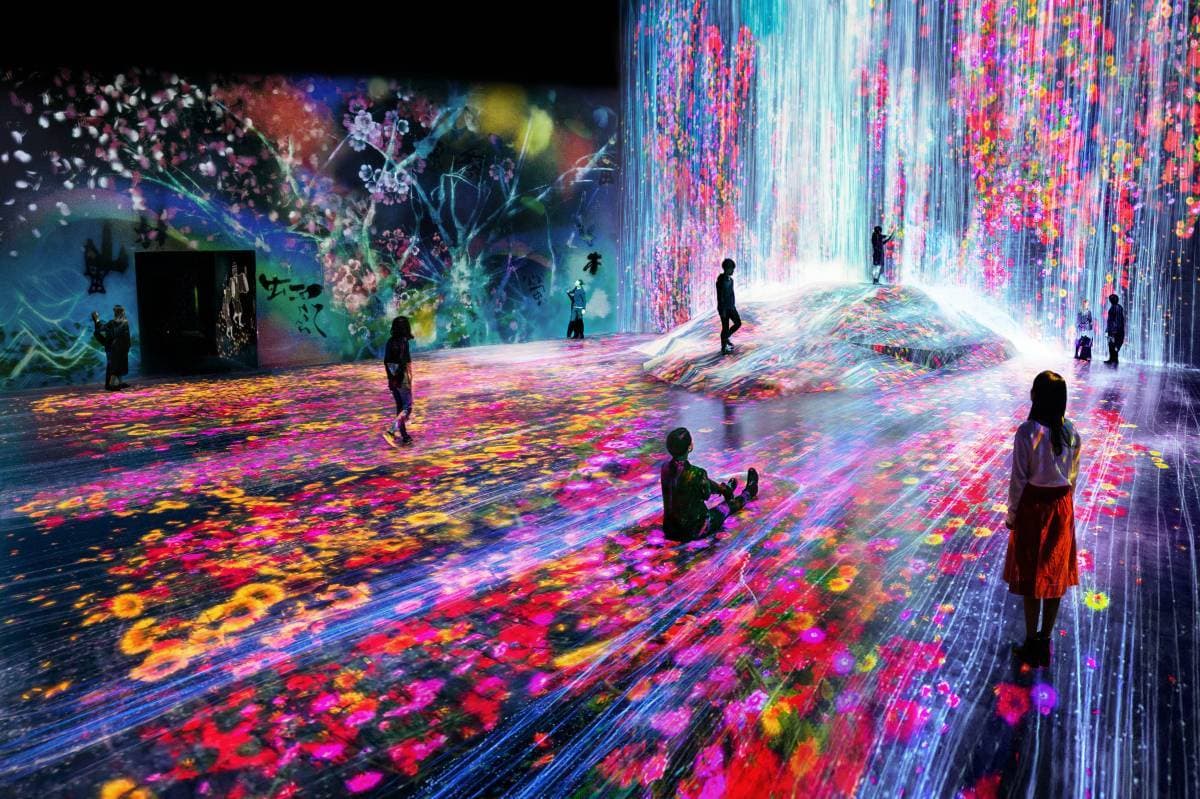
Hugely helpful! Thanks. Is there an area or hotel in Tokyo that is best placed to follow your itinerary?
I can give you places i’ve stayed before. Any of these 4 are excellent in my opinion.
- Premium Option - Intercontinental Strings. Station nearby is Shinagawa which has access to the Yamanote loop and direct train to haneda airport.
- Middle Option - Tokyu Stay Yotsuya. Yotsuya sits on the Chuo / Sobu lines which is one of the longer train lines. Being fair mainline it connects to all the other big stations as well. Hotel also has rooms with washing machine which is really handy. Partner and I would consider buying a house in this area
- Cheaper Option - APA Hotel Keisei Ueno-Ekimae. Sits near the Ueno station that has a direct line to Narita airport. Ueno is also a large station with many connecting lines like the Yamanote and the Ginza subway line.
- Middle option b. Tokyo Dome Hotel. Sits on the Sobu line which again is easy access and quick to connect to other train lines. Being at the stadium there is also a few other stations nearby. Plenty of shops and restaurants nearby too (LaQua has a lot of this and a rollercoaster!). Only downside is if there is an event on, then dining options become really hard in the area.
Personally stay away from places near embassies or Tokyo tower. Not very transport friendly and is basically super high end with regards to shops and restaurants.
Be aware if you stay in a place like Shinjuku. There are a few night and red light spots around there. Example, Gracery with Godzilla is fine by day but at night it’s a little nervous…
Odaiba has quite a few newer and bigger hotels as well but again, transportation here is a bit of an issue, not so much distance to the station but the fact you need to travel a bit to change to different train lines.
If you like the area for Shinagawa there is also the Prince hotel next door. It comes as a 3 or 4 star version so you can adjust your budget as needed there. Prince hotel also has it’s own dining areas and massive aquarium (discounted for those staying) which can be useful on a wet day.
All 4 I should add also has food nearby, convenience stores and stuff like that.
1 Like
Without specifying areas, I’ve also stayed at these ‘chained’ hotels throughout Japan.
Candeo Hotels
JR Hotels
ANA Crown Hotels
Green Rich Hotels
Daiwa Roynet
These are all ‘business’ hotels so the rooms are smallish but the service and cleanliness is excellent.
1 Like
Drawing on my (limited) experience…
Hanzomon - V.quiet area. Good access to underground. A few restaurants & supermarkets in the area, a few hundred metres to get to them. Not much else around.
Ueno - Good for transport, but gotta be careful. There’s definitely some seedy areas around esp. in and around the train station.
Also, learn how to pronounce Ueno before going there.
Pronunciation of “Takeshita” is important too. It’s not what it looks like… 
2 Likes
Hanzomon is just down the road from Yotsuya. We did transit a fair bit at Hanzomon to change to that train line.
A bit surprised at Ueno. I sent my parents to stay there! 
1 Like
Wife and l stayed in Shinjuku and wandered all around at night and never felt like we were in a sketchy area. Maybe we were just clueless. Wandering around there at night with the crowds of people and all the neon was something we loved.
1 Like
Oh, when I say seedy it’s more “seedy by Japan standards”, which is not especially bad. It’s certainly not The Reeperbahn or Vancouver East! We had to change regularly from one train line to an overground line at Ueno. At the time the Ueno Station was undergoing much construction (in readiness for the Olympics), so we had to exit the station and walk across the road to another station entrance. The area around the Ueno Park entrance stairs was a little dubious after dark.
Shinjuku is a big city! Sketchy may not be the right word. Seedy perhaps?
1 Like
Ah you were changing from the Ginza subway then which is a separate entrance to the JR lines. This was something I had to explain to mum and dad when looking for the right entrance to go to Asakusa!
1 Like