No I mean that seemed like a nice intro in to the remainder of the gag.
The falling flat of which I attribute to the rubbery nature of and application inconsistent of the rules.
No I mean that seemed like a nice intro in to the remainder of the gag.
The falling flat of which I attribute to the rubbery nature of and application inconsistent of the rules.
In any case I agree with what I think Noonan was getting at: the rules can fall down when applied to terms or phrases that have been appropriated from other sources, Germanic, French, or even Norse languages phrase and order words differently, so if course out rules will either fail or keep them out.
Being the greatest cultural appropriatiors in history, the English speakers of course simply take and use.
That’s unfair.
The English have claims to being greatest appropriators of much more than culture.
(Though TBF they have lagged behind the USA in recent decades).
To get back on track, and I suspect this has been posted before (just like many of the above posts have been) Douglas Adams’ take on the subject is the best:
“To boldly split infinitives that have never been split before”.
Perfectly reasonable to attribute it to my lunkheaded dullardness
Not sure where to put this one. It’s a subject close to my heart, though I realise it may also sound like a self-indulgent hobby horse.
Ancient Greek is a fantastic language. It helps you read great plays, poems and the New Testament. It also gives your brain a window into the thought patterns of some of the most accomplished philosophers, mathematicians, democrats, debaters and generals in history.
The only secondary school still teaching it in Victoria (Xavier College) is considering not teaching it next year.
So if you oppose this for whatever reason please:
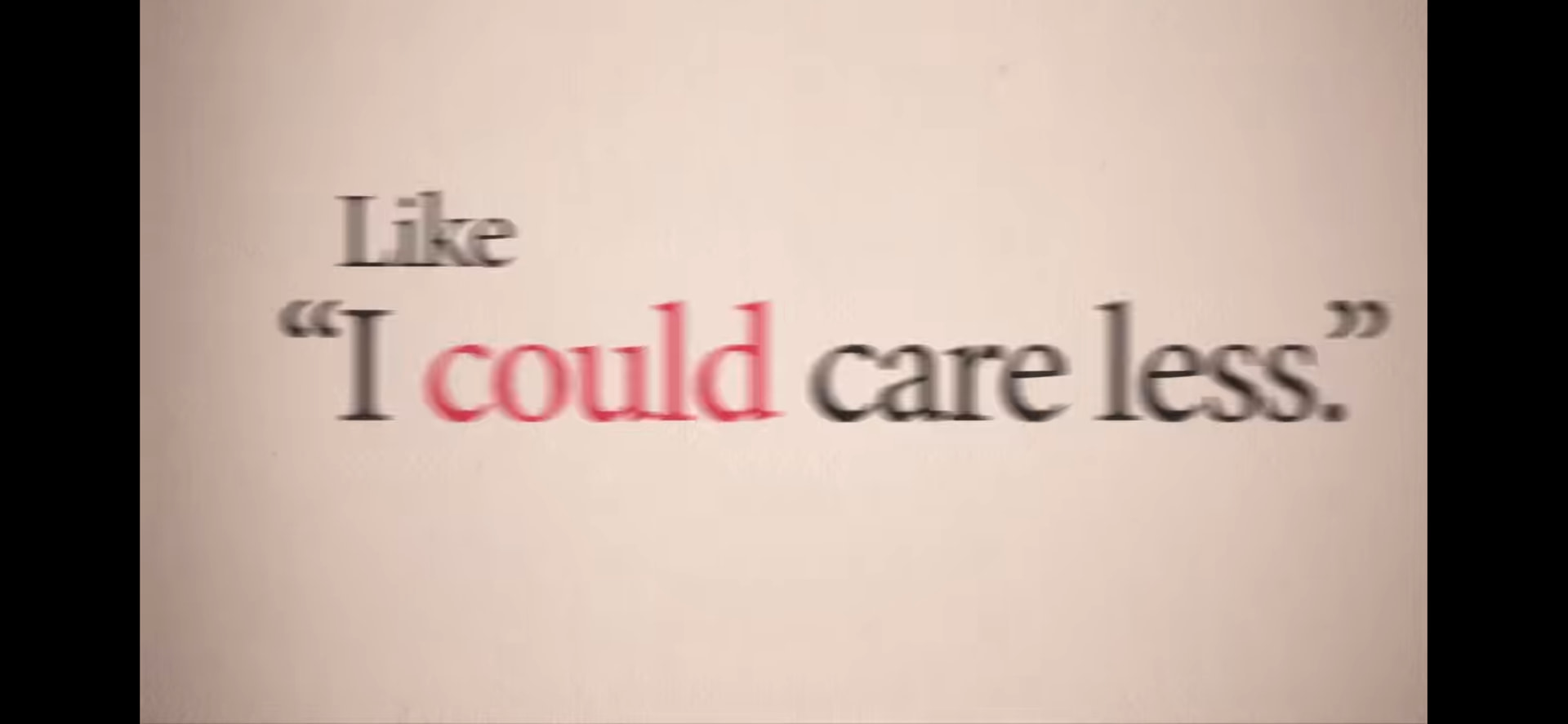
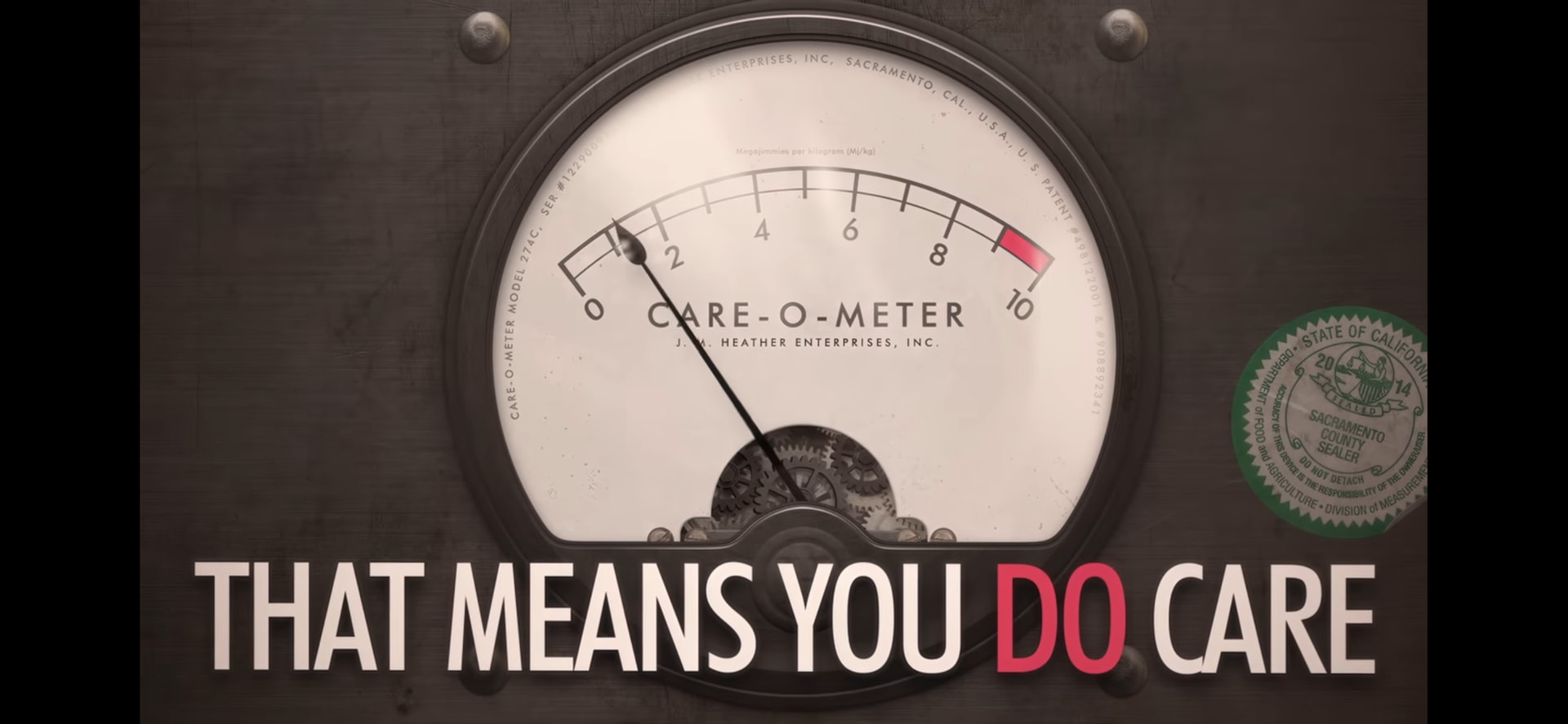
The first time l heard ‘l could care less’ l was travelling with a Yank. It surprised me, and l asked if he meant ‘couldn’t care less,’ he said no. So, l asked him in what way and how much less could he care? He had no answer for that.

I’ve posted this at least once before, possibly more.