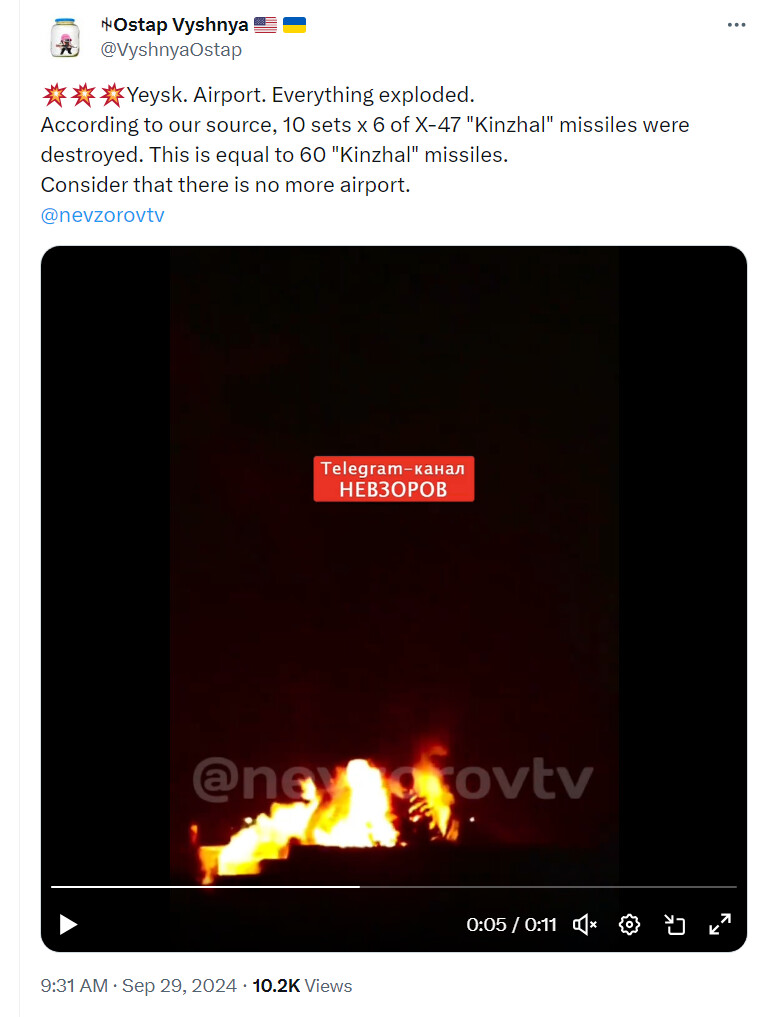
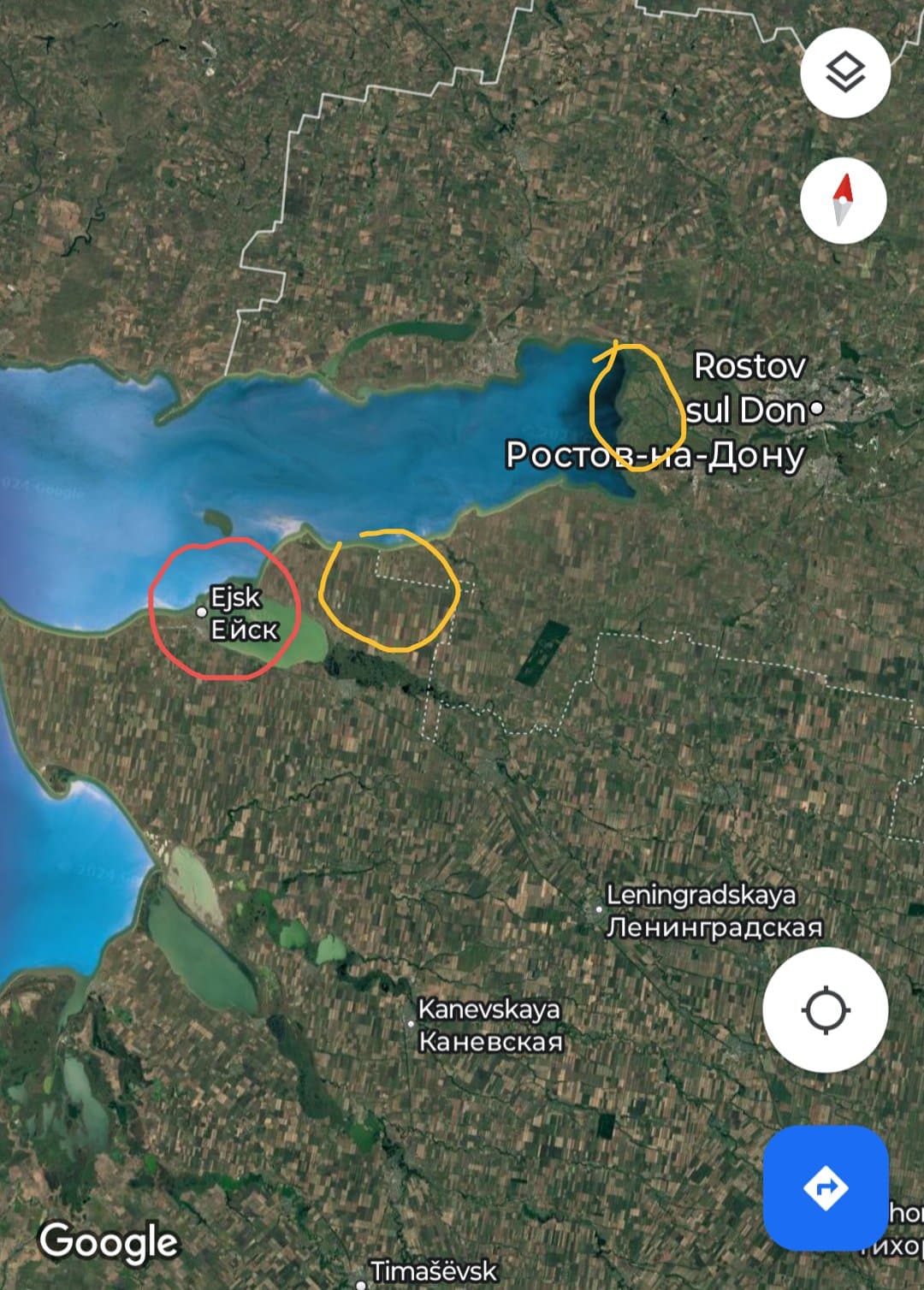
7 Likes
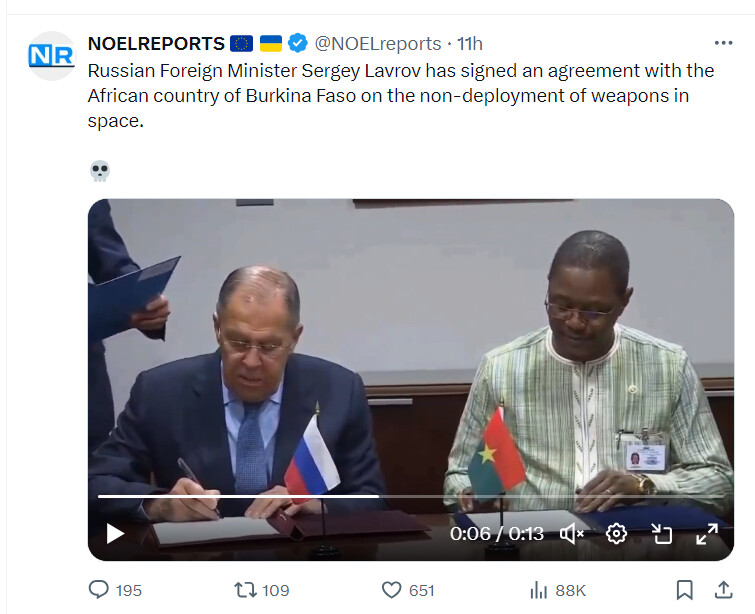
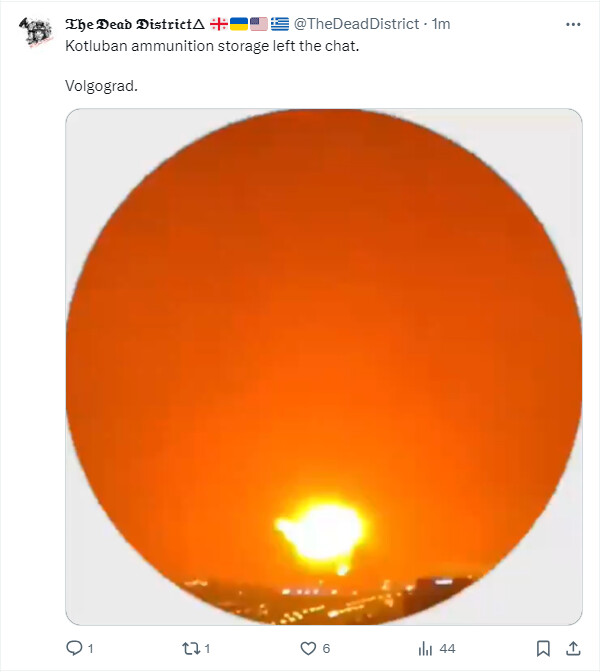
10 Likes
lol, Russia are just poor american puppets in your fantasy are they, never acting of their own volition and interest just pushed into all their bad behaviours, poor things
5 Likes
Russia Had Nearly 200 Artillery Pieces In Kursk When Ukraine Invaded. But The Gunners Weren’t Ready.
Surprise, and not an advantage in guns and launchers, was the key to Ukraine’ s August success.
Updated Sep 28, 2024, 05:40pm EDT
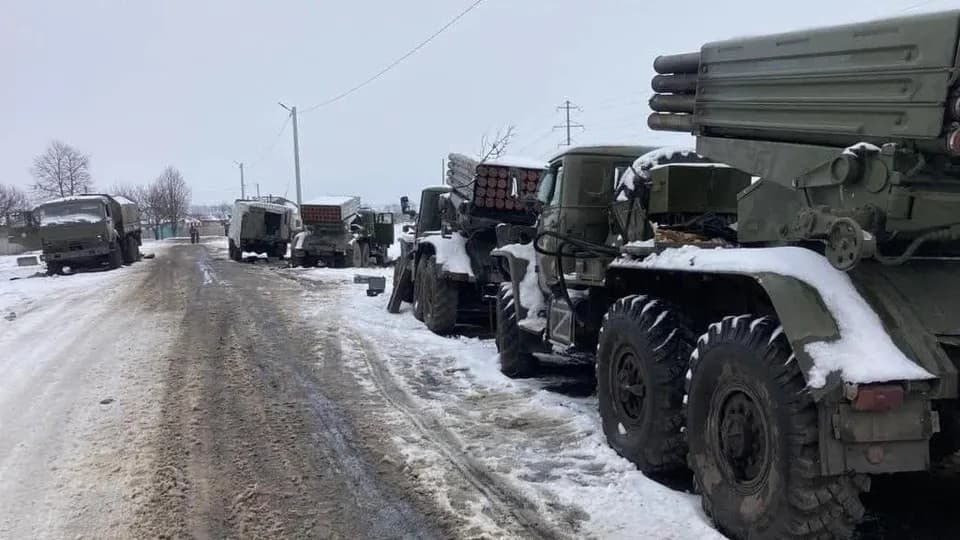
Abandoned Russian BM-21s in 2022.
Via social media
On Aug. 6, a powerful Ukrainian mechanized force breached Russian defenses along the Ukraine-Russia border and, moving fast and bypassing Russian trenches, quickly seized 400 square miles of Russia’s Kursk Oblast.
Why the Ukrainians invaded is complicated. Seizing part of Kursk shifted the momentum of the war—although not decisively—and forced the Kremlin to divert elite forces from the fighting in eastern and southern Ukraine. That chunk of Kursk could be a valuable bargaining chip for Kyiv in any future negotiations with Moscow.
How the Ukrainians managed to capture so much Russian soil, so quickly, is becoming less mysterious. It wasn’t necessarily a lack of forces that doomed Russian defenses in Kursk. It was a lack of intelligence and coordination.
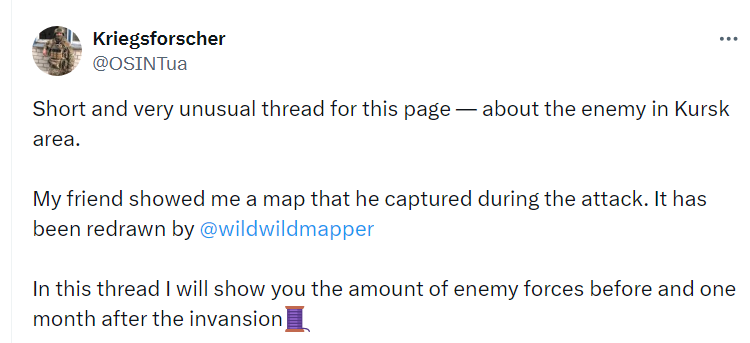
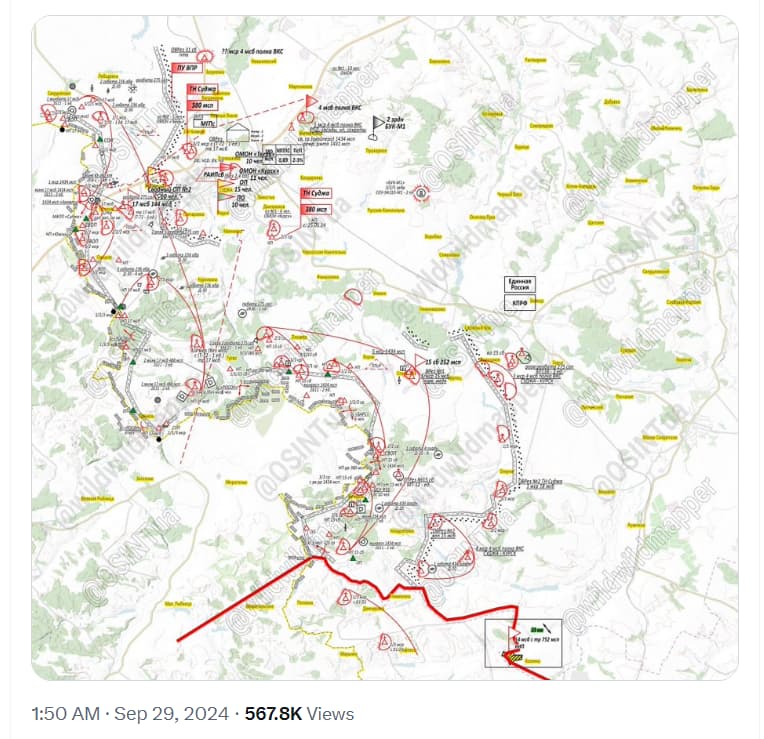
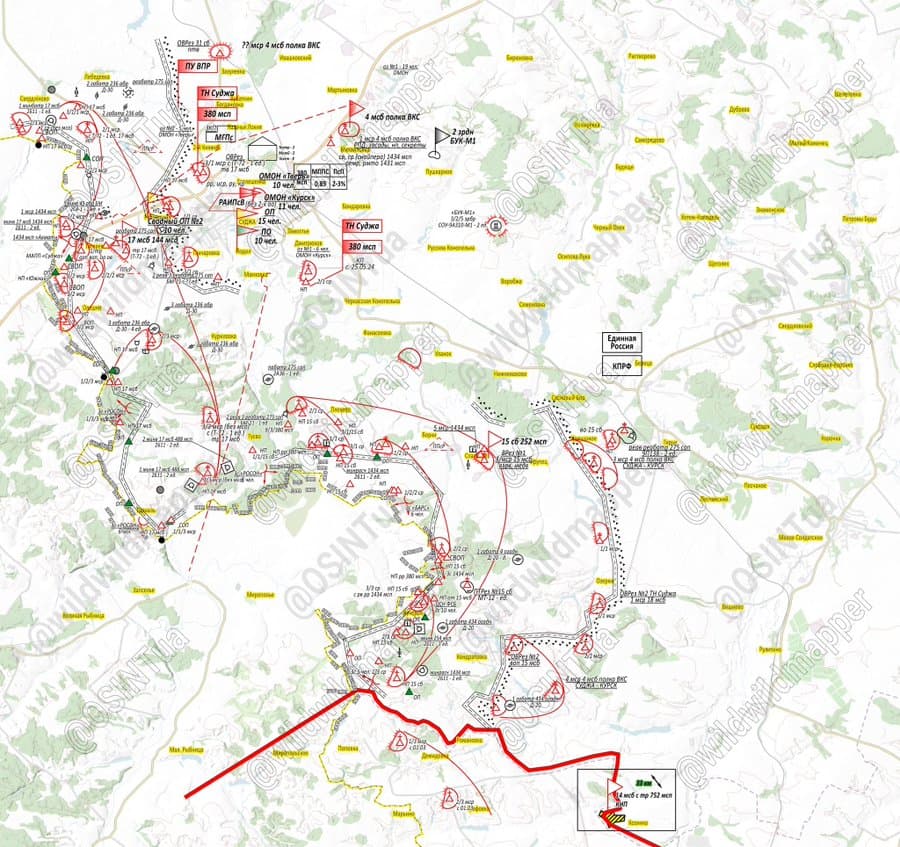
A map that a Ukrainian soldier captured from a Russian soldier amid the fighting in Kursk helps tell the story. The day before the first Ukrainian troops breached the border, the Russian garrison in Kursk had 18 BM-21 rocket launchers, 98 pieces of tube artillery and 71 mortars.
"That’s huge,” noted Kriegsforscher, a Ukrainian drone operator who saw the captured map. “Firepower was on Russian side.”
That quantity of artillery, properly deployed against Ukrainian troops as the Ukrainians broke out into the open in Kursk, could have been decisive—for the Russians. “With a good coordination, you make any breakthrough almost impossible to happen,” Kriegsforscher explained.
But the artillery wasn’t properly deployed, largely due to poor intelligence on part of the Russians—and an assumption the Ukrainians would never attack across the border into Kursk. “Regrettably, the group of forces protecting the border didn’t have its own intelligence assets,” Andrei Gurulev, a retired Russian general and a member of the lower house of the Russian parliament, wrote on social media.
So the launchers, guns and mortars weren’t sighted to bombard the likeliest invasion routes—to say nothing of shifting their aim to hit Ukrainian troops as they advanced into territory the Russians never expected to contest. The Ukrainians moved faster than the ill-prepared Russian artillery could adapt.
It didn’t help the Russian artillery plan that the Ukrainians were jamming radio communications, filling the air over Kursk with drones and firing their own artillery—including their best American-made High Mobility Artillery Rocket Systems.
For once in a war mostly characterized by grinding trench battles, in Kursk the Ukrainians had the advantage of mobility—at least at first. “In the opening hours and days of the Kursk offensive they were able to penetrate deep into Russian territory,” Michael Weiss and analyst James Rushton wrote in New Lines Magazine in the early days of the August invasion.
“In many cases, they didn’t waste time engaging Russian trench lines and other prepared fighting positions; they just drove around them,” Weiss and Rushton wrote. “Unimpeded land routes allowed Ukraine to advance miles in mere hours.”
In those first few days, Russian and Ukrainian troops mixed in an ever-shifting patchwork of small, fluid positions. Good luck bombarding an attacker in those circumstances without also hitting your own defending troops.
In short, the Russians had the firepower to defend Kursk, but not the intelligence or coordination. The Ukrainians to their credit shrugged off Russia’s apparent artillery superiority in Kursk, correctly surmising that befuddled gunners are useless gunners.
In the nearly two months since Ukrainian forces invaded Kursk, both sides have rushed forces into the oblast. A Russian counterattack has chipped away at the Ukrainian salient—but not by much. The front line has stabilized and both sides are digging in.
It’s safe to assume Russian artillery in Kursk is now properly sighted and coordinated. If the Ukrainians are going to duplicate their success in Kursk from early August and once again move against poorly-prepared artillery, they’re going to have to do it somewhere other than Kursk.
2 Likes
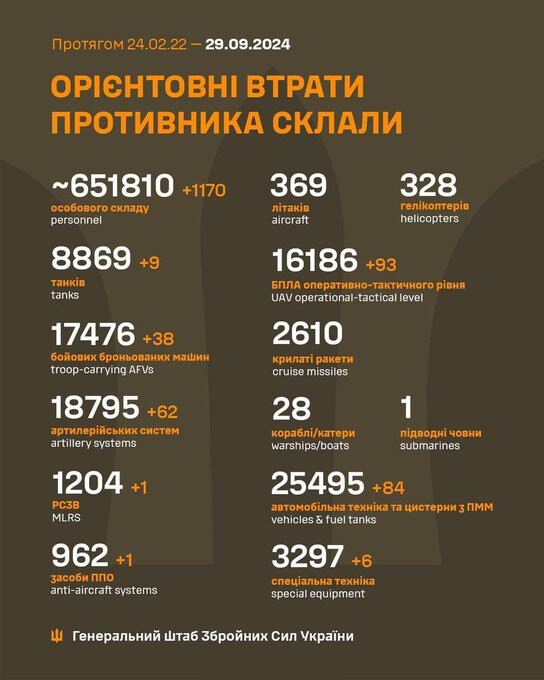
Russian losses per 29/09/24 reported by the Ukrainian General Staff.
+1170 men
+9 tanks
+38 AFVs
+62 artillery systems
+1 MLRS
+1 AD system
+93 UAVs
7 Likes
2 Likes
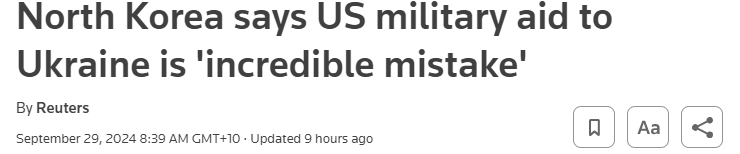
SEOUL, Sept 29 (Reuters) - North Korea, which has been accused of illegally supplying weapons to Russia, said on Sunday that U.S. military aid worth $8 billion to Ukraine is “an incredible mistake” and playing with fire against nuclear superpower Russia.
U.S. President Joe Biden announced the new aid as Ukraine President Volodymyr Zelenskiy visited Washington to help Kyiv defend itself, including longer-range weapons that will upgrade its ability to strike Russia from safer distances.
Kim Yo Jong, the powerful sister of North Korean leader Kim Jong Un, said Washington is escalating the Ukraine conflict and driving all of Europe to the brink of a nuclear war.
“The United States and the West should not dismiss or underestimate Russia’s serious warning,” Kim said in a statement published by state news agency KCNA.
“Are the United States and the West really able to handle the consequences as they recklessly play with fire against Russia, which is a nuclear superpower?” she said.
Russian President Vladimir Putin has warned he could use nuclear weapons if Russia was hit with missiles and would consider any assault against it that is backed by a nuclear power to be a joint attack.
Helping Zelenskiy continue a military adventure is a dangerous and irresponsible gamble and announcing the new $8 billion in military aid was “an incredible mistake and foolish act,” Kim said.
Kim, who holds a position in North Korea’s ruling Workers’ Party, often makes statements on Pyongyang’s position on political and security matters believed to be authorized by the country’s supreme leader.
North Korea and Russia have dramatically upgraded their ties in the past year with their leaders meeting twice and agreeing on a “comprehensive strategic partnership” that includes a mutual defence pledge.
North Korea has shipped at least 16,500 containers of weapons to Russia since September last year and Russia has fired missiles from those shipments against Ukraine, the United States has said.
Both North Korea and Russia deny any illegal arms trade.
3 Likes
11 Likes
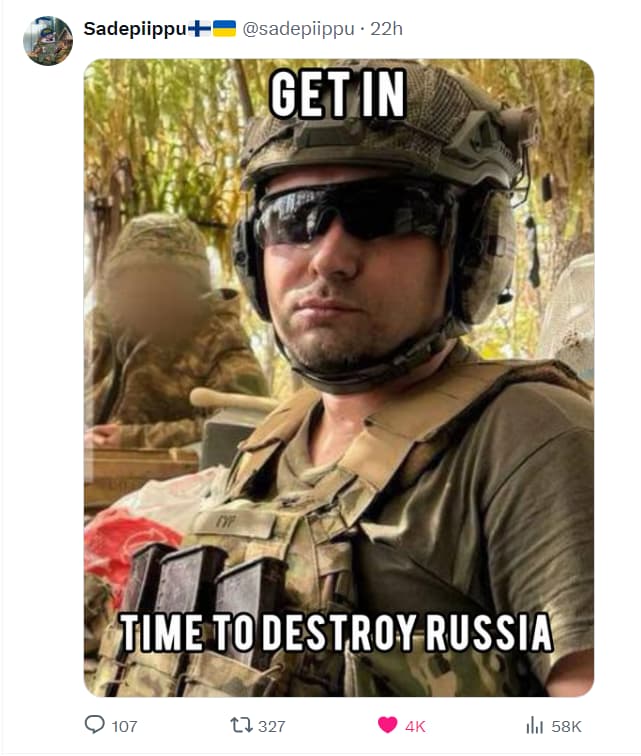
If you look carefully, one thing you may notice is that Budanov doesn’t wear sunglasses straight and half his face droops. I read somewhere that the face droop is because of an old war injury, half his face has had sub-dermal reinforced metal plates inserted. Half his face is steel. I ■■■■ you not.
4 Likes
Ukraine’s getting powerful long-range glide bombs from the US that will give its F-16s a new punch
Sep 26, 2024, 10:23 PM GMT+8
- The US is sending Ukraine the Joint Standoff Weapon, an air-launched glide bomb.
- The powerful munition will give Ukraine’s F-16s a new long-range weapon.
- Glide bombs have been heavily featured during the war, with Russia using them to devastating effect.
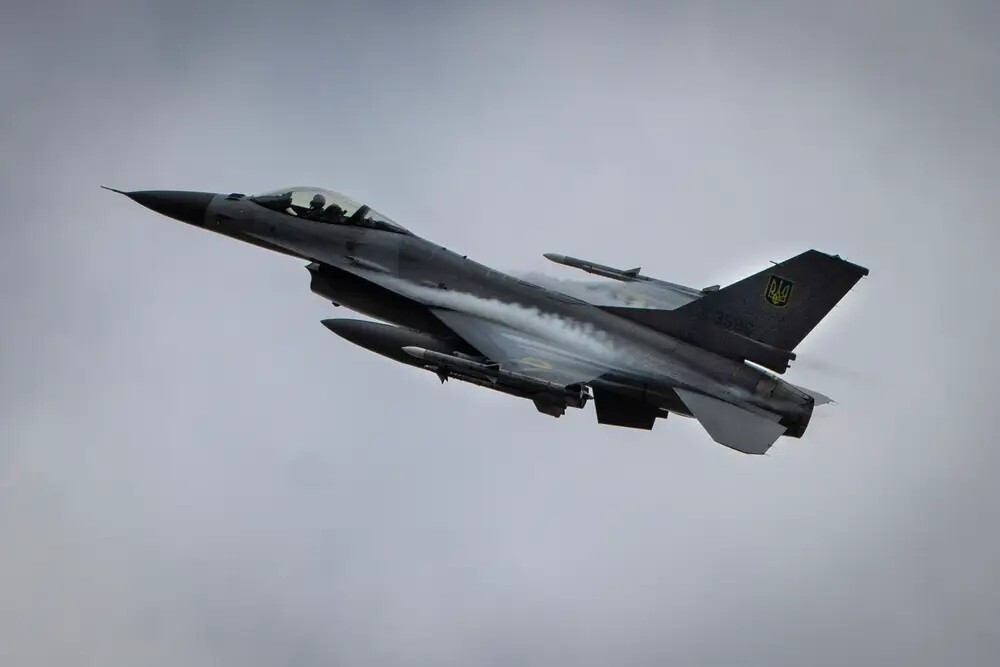
The US is sending Ukraine long-range glide bombs for its F-16 fighter jets, giving it new strike options.
President Joe Biden announced Thursday that he decided to provide Kyiv with the Joint Standoff Weapon to “enhance Ukraine’s long-range strike capabilities” as part of a larger security assistance package.
The AGM-154 Joint Standoff Weapon (JSOW) is an air-launched glide bomb with a range of more than 70 miles that has been in service since the late 1990s. The bomb, which weighs over 1,000 pounds and has wings that pop out during flight, is used by the US Air Force, US Navy, and several other militaries.
There are multiple variants of the JSOW, but reports say Ukraine will be receiving the one with cluster munitions, which are small bomblets that disperse mid-flight, potentially causing more damage than a unitary warhead could.
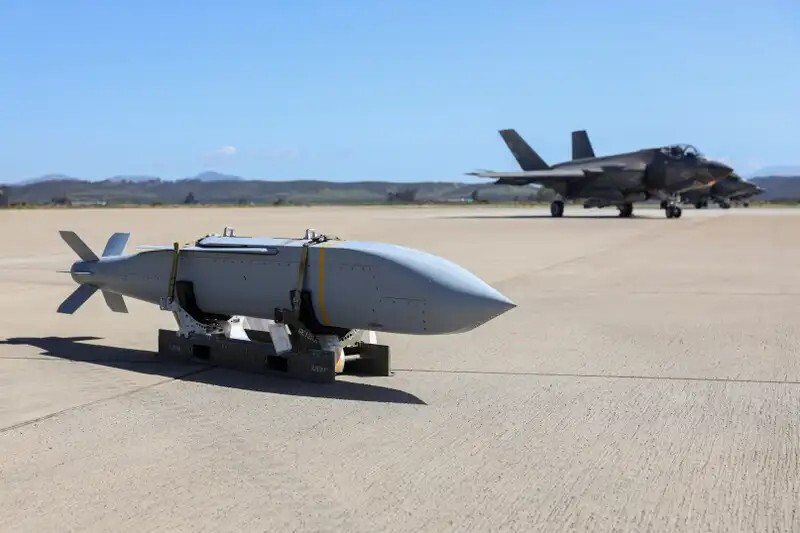
The AGM-154 Joint Standoff Weapon. US Marine Corps photo by Sgt. Sean Potter
The JSOW is compatible with the F-16s Ukraine received from NATO countries over the summer. The US has sent Kyiv air-to-surface and air-to-air munitions for the Amercan-made fourth-generation fighter jets.
The JSOW doesn’t have the reach of some other long-range munitions that Ukraine has, like Storm Shadow/SCALP-EG cruise missiles provided by Britain and France, but its profile as a glide bomb will make it a useful asset for Kyiv.
A glide bomb is a type of stand-off munition, meaning an attacking aircraft can release it from a distance. Ukraine already has glide bombs in its arsenal, including some provided by France and the US, and has used these weapons to strike Russian positions.
The US-made JDAM has a much shorter range compared to the JSOW. The JSOWs will better allow Ukrainian F-16s to strike outside the range of Russian air defenses.
Russia also has glide bombs — some of which weigh over 6,000 pounds and have tremendous destructive capability — and has used them far more extensively to wreak havoc on Ukrainian civilians and troop positions.
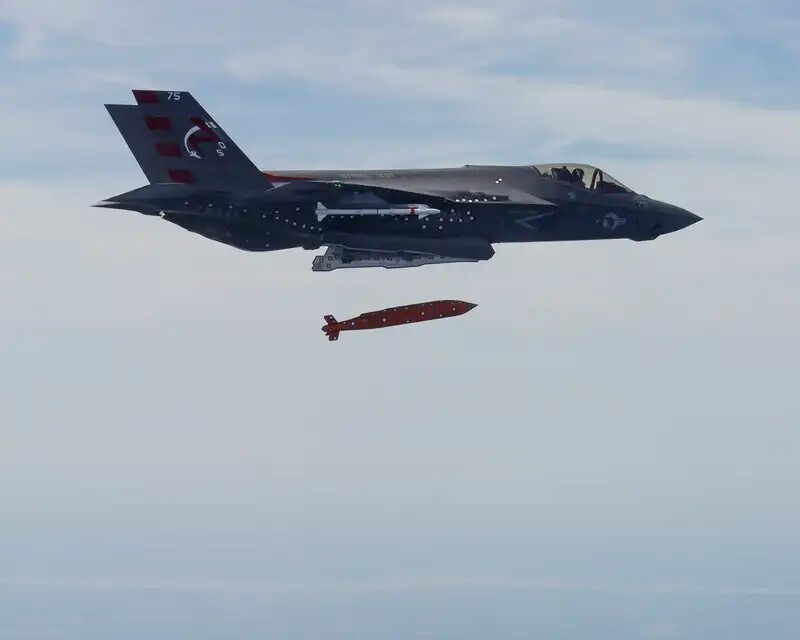
An AGM-154 Joint Standoff Weapon is released from an F-35. US Navy photo
Russia’s glide bombs have been a constant headache for Ukraine this year. These munitions are nearly impossible to intercept, so the only way for Kyiv to defeat them is to either shoot down the attacking aircraft or destroy the planes on the ground at their base
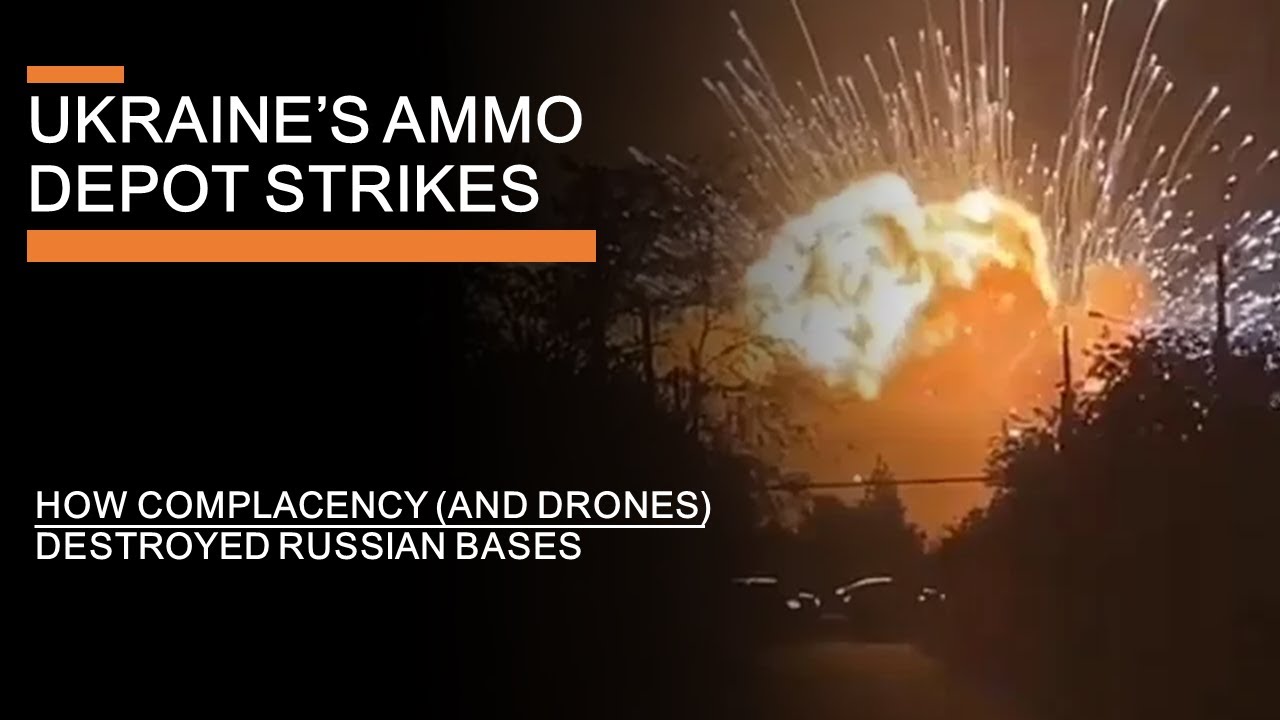
Through the use of long-range drones, Ukraine has been targeting ammo depots and air bases.
Biden’s JSOW disclosure was part of a larger announcement about new US security assistance to Ukraine that totals nearly $8 billion. Notably, this aid pasckage includes another high-profile Patriot air-defense battery and interceptor missiles.
Ukrainian President Volodymyr Zelenskyy, who is visiting the White House on Thursday, expressed gratitude for the new military aid, including the air-to-ground munitions.
“We will use this assistance in the most efficient and transparent manner to achieve our major common goal: victory for Ukraine, just and lasting peace, and transatlantic security,” he said.
4 Likes
Estonia, Latvia, Lithuania and Poland want EU funds to beef up border with Russia
Published on 28/09/2024 - 17:50 GMT+2
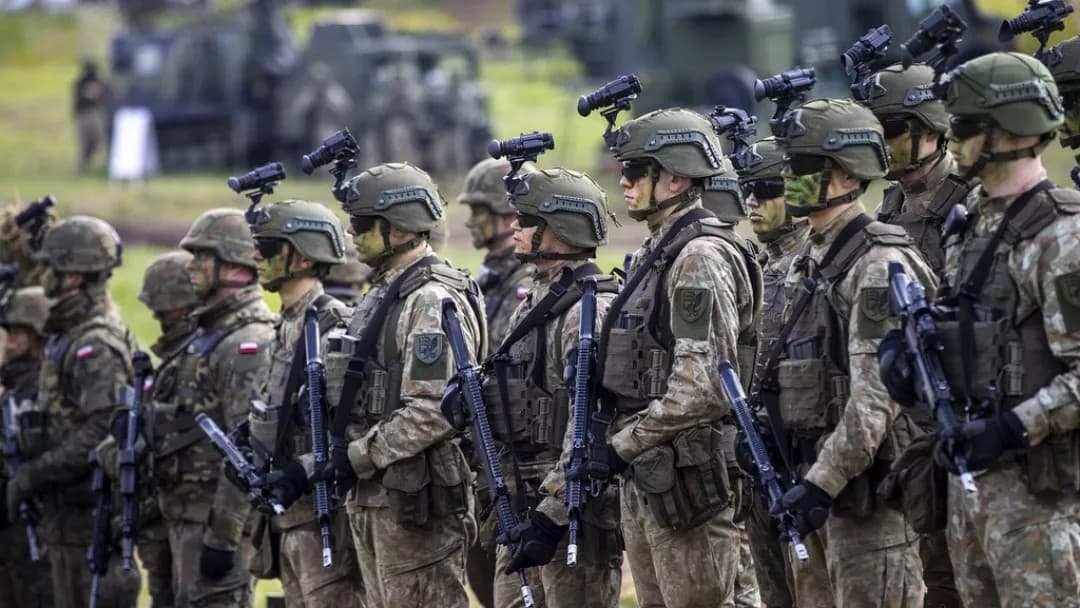
Estonia, Latvia, Lithuania and Poland will seek EU funding to build a network of bunkers, barriers, distribution lines and military warehouses along their borders with Russia and Belarus, Estonia said.
The three Baltic countries, who are all NATO members, initially announced the plan for a “Baltic Defence Line” in January. Then in May, Poland announced a similar project called the “Eastern Shield” with a purpose to strengthen its borders with the Russian exclave of Kaliningrad and with Belarus.
“The need for a (Baltic) defence line stems from the security situation and supports NATO’s new forward defence concept,” Estonian Defence Minister Hanno Pevkur said in a statement, adding that “it is extremely important to coordinate our activities with Poland.”

“At the same time, it strengthens the security of the European Union and the military defence of its borders, which is why we clearly see that the EU could also financially support the project,” he said.
The defence ministers of the four European countries located on NATO’s eastern flank met in the south-eastern Latvian city of Daugavpils on Friday to discuss the project’s funding.
They didn’t specify how much financial aid they would be seeking for the project from Brussels but noted in a joint statement that “Russia’s war against Ukraine has shown that creating physical obstacles on an open ground with no natural defensive cover is paramount even in technologically advanced warfare.”
The ministers said that external threats at the Baltic-Polish frontier are increasing and ramping up fortifications along the border with Russia and Belarus "remains a high-priority contributing to our pledge to defend every inch of (NATO) territory.”
The defence line excludes coastal defences on the Baltic Sea that is shared by the four countries
In Estonia, the smallest of the four countries with a population of 1.3 million, the establishment of the border defence line is planned in three stages starting in 2025, the Defence Ministry said.
Officials in Tallinn said earlier this year that Estonia is to construct up to 600 bunkers along its 333-kilometre border with Russia in the coming years at an estimated cost of 60 million euros. The project is likely, however, to face difficulties and delays because the bunkers will have to be built on private land.
Poland is expecting the defence line to be operational in 2028 at the cost of some 2.3 billion euros while the cost in Lithuania is expected to reach 300 million euros.
No mines, barbed wire, anti-tank weapons or other such devices will be deployed in peacetime along the border fortifications, according to Estonia’s defence officials.
2 Likes
hope that happens
2 Likes
Phew, that’s a relief.
7 Likes
The no mines etc quoted by Estonia would make it easier to tap into an EU budget line, although it would still need to get round EU institutional constraints on Defence expenditure.
Or possibly avoid the need for a Member State or EU Parliament vote on a budgetary appropriation , particularly one that needed unanimous vote ( as Hungary has done in the past).:
1 Like
Lack of RU intelligence is:
- A truism.
- Common.
- An issue from Putin all the way down.
3 Likes



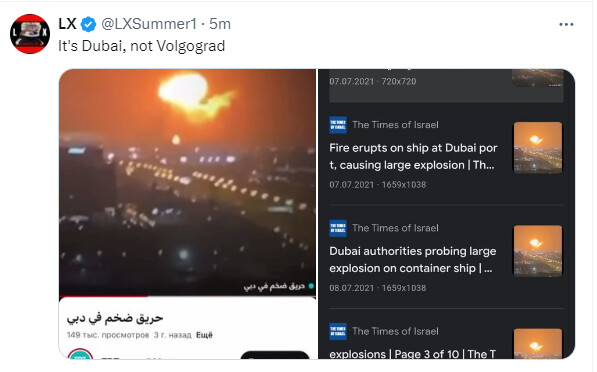
Unfortunately, that’s a ship in Dubai, not related to UA war
4 Likes
5 Likes