Touchdown!
2 Likes
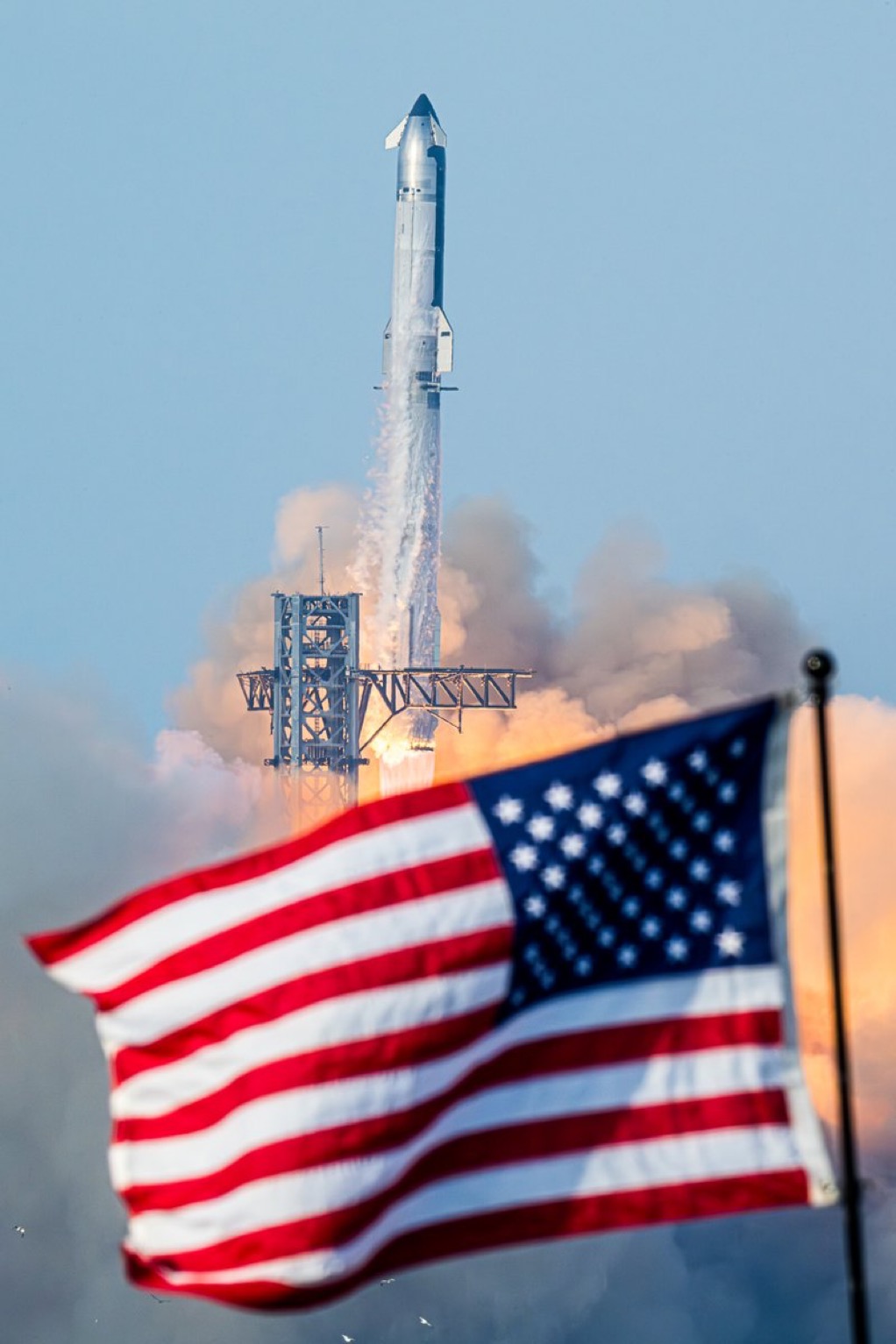
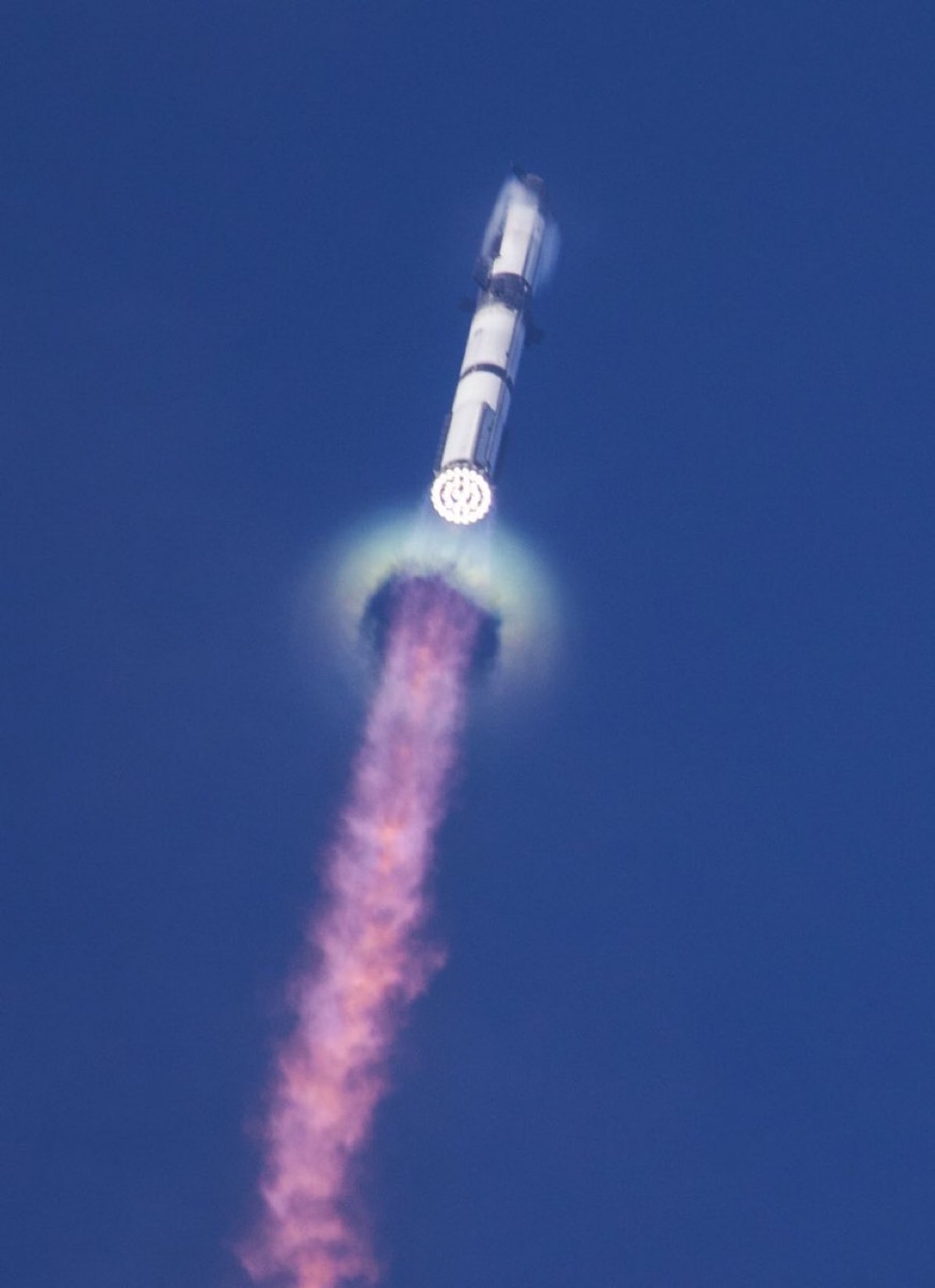
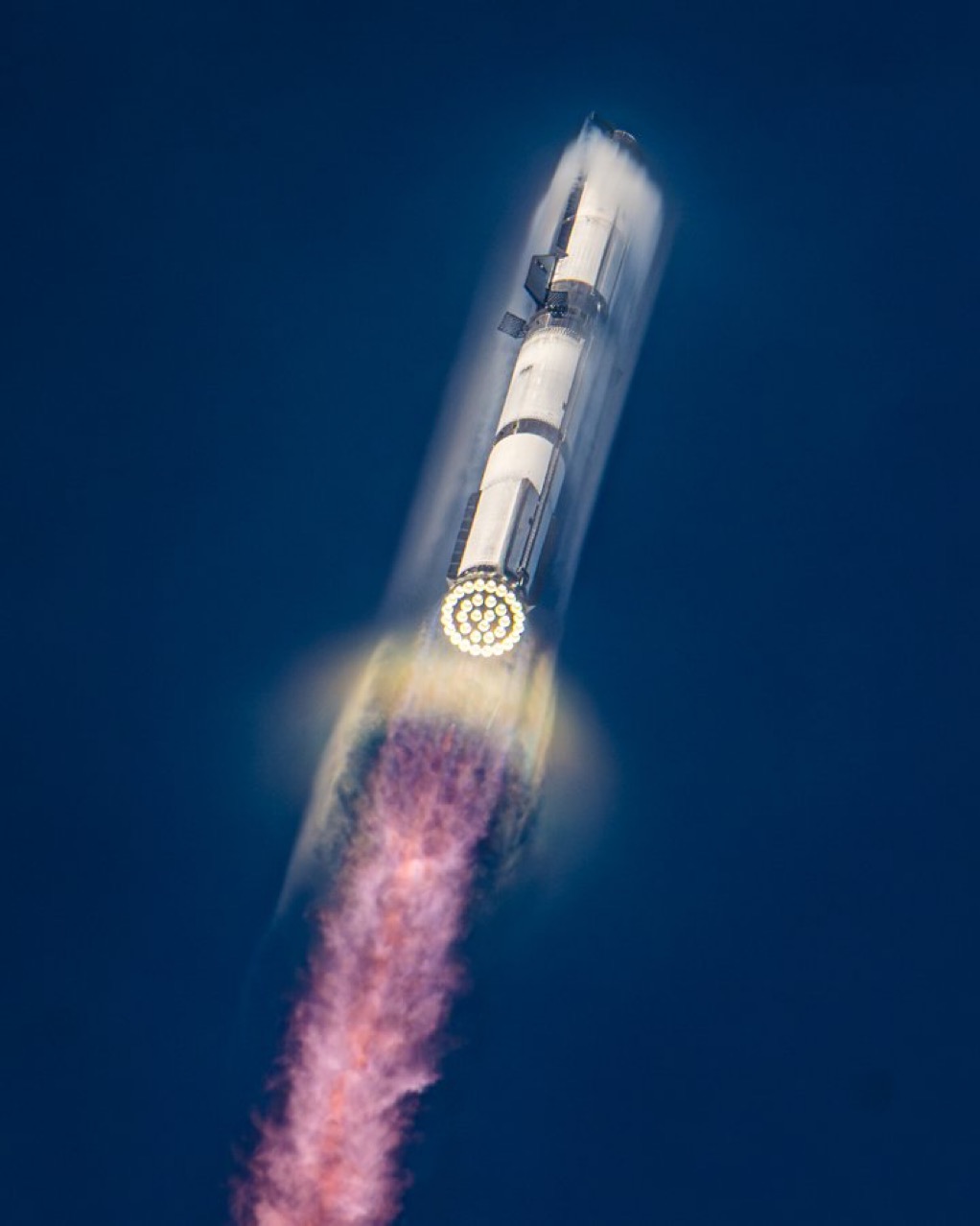
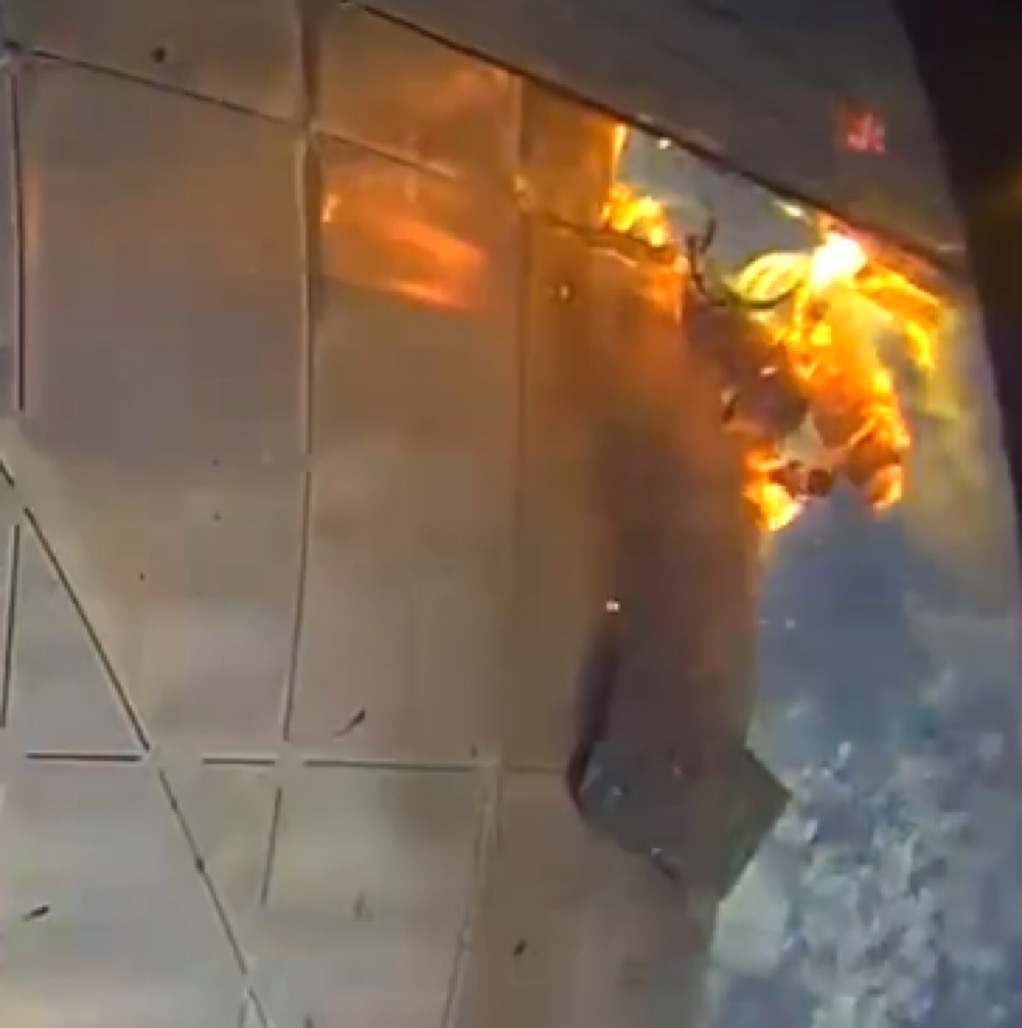
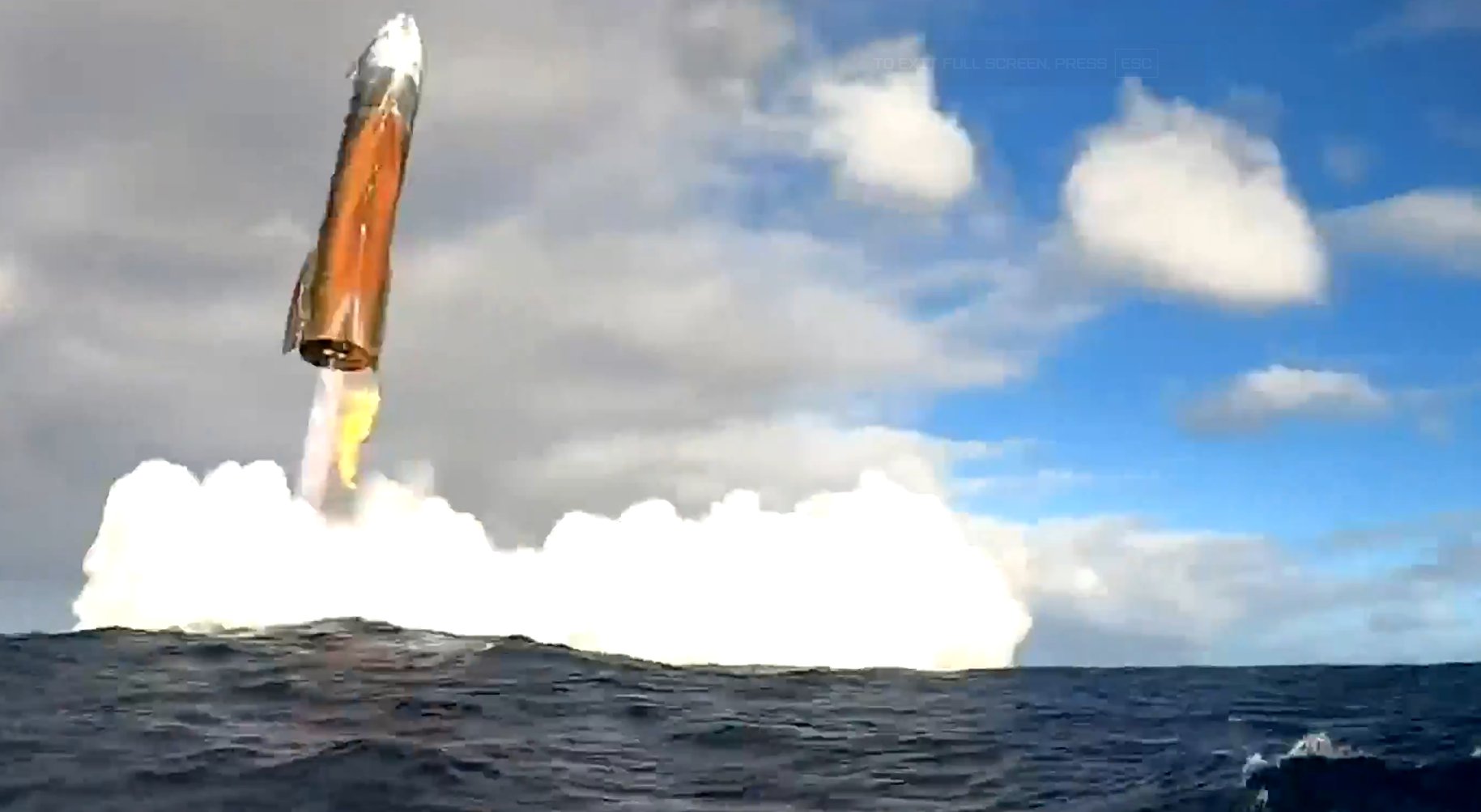
Looks like at least one engine failed, but when you have so many…
2 Likes
1 on ascent and didn’t relight.
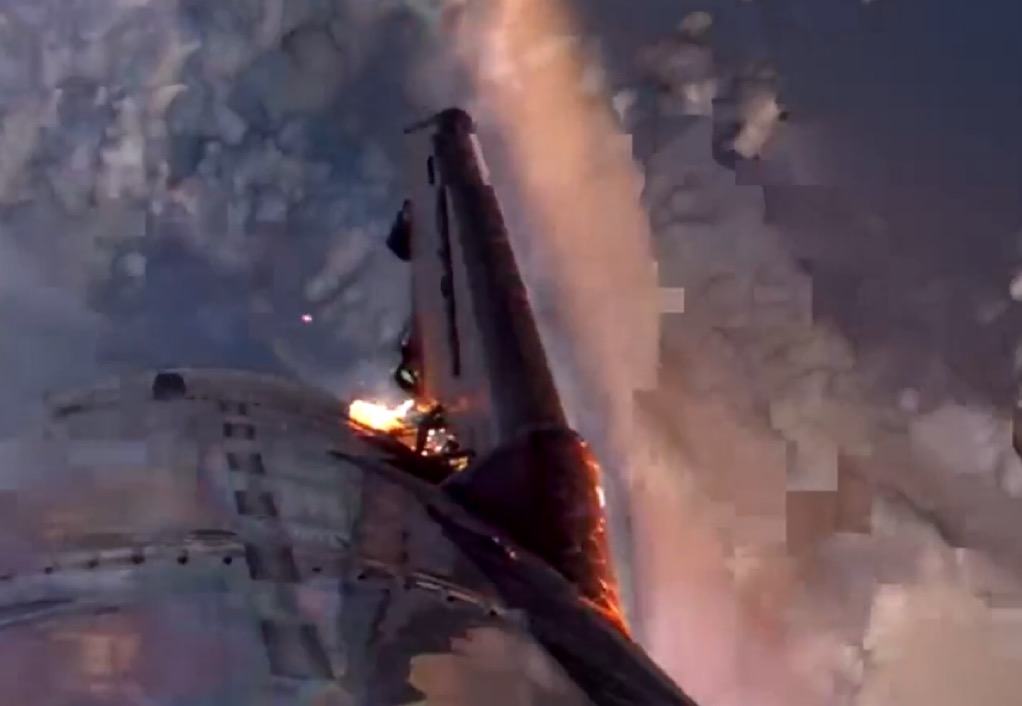
Looks like where they didn’t have full set of tiles they had burn through. They were missing a lot on the flaps and the skirt of the engine bay where there was that explosion when some of the stainless gave way.
2 Likes
137.8 decibels at 8km
1 Like
We all know space is big, yeah?
Like our own solar system is pretty big and it has taken about 50 years for Voyager to get to what could be the outside of it. But that is just our system, What about our whole galaxy? At 100,000 light years across, yeajh that is prety big.
But what about other galaxies?
Here is a comparison of the Milky Way vs the biggest known galaxy:
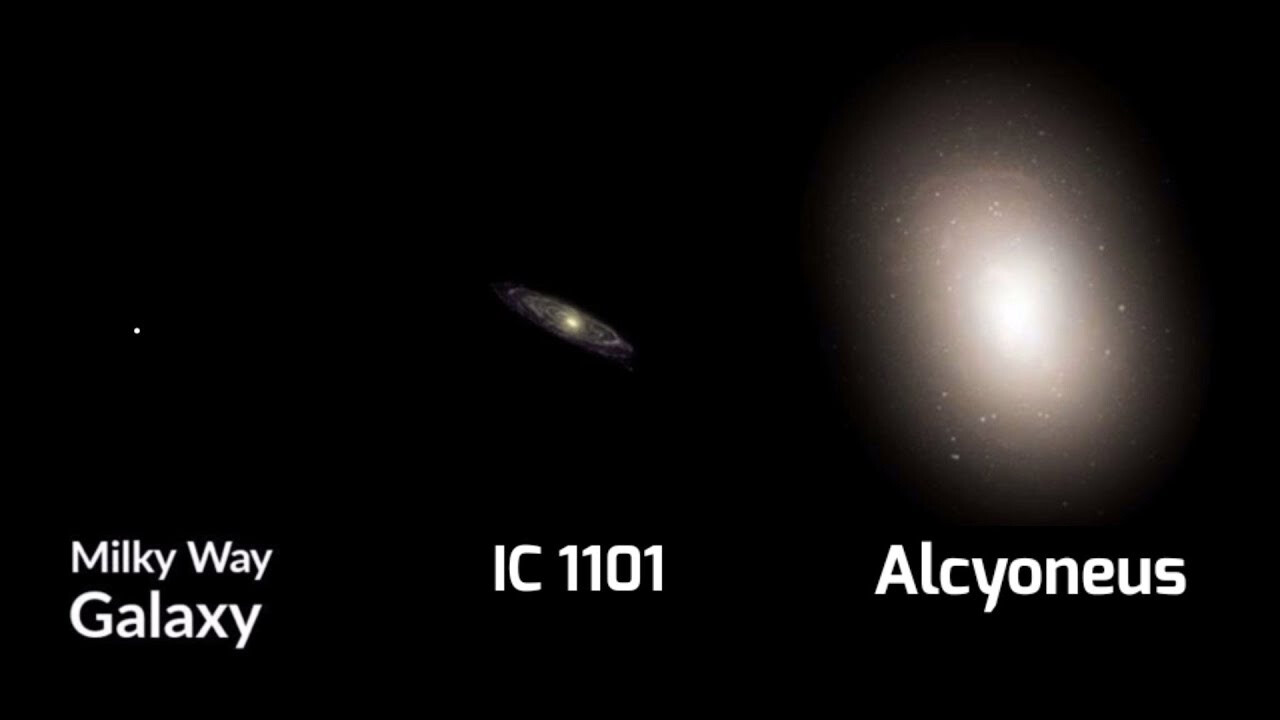
Alcyoneus is 16.3 MILLION light years across.
6 Likes
And this gives me a chance to say: if we are ever visited by aliens from another galaxy, would they tease us by calling us “Milky Waylians”.
On this theme.
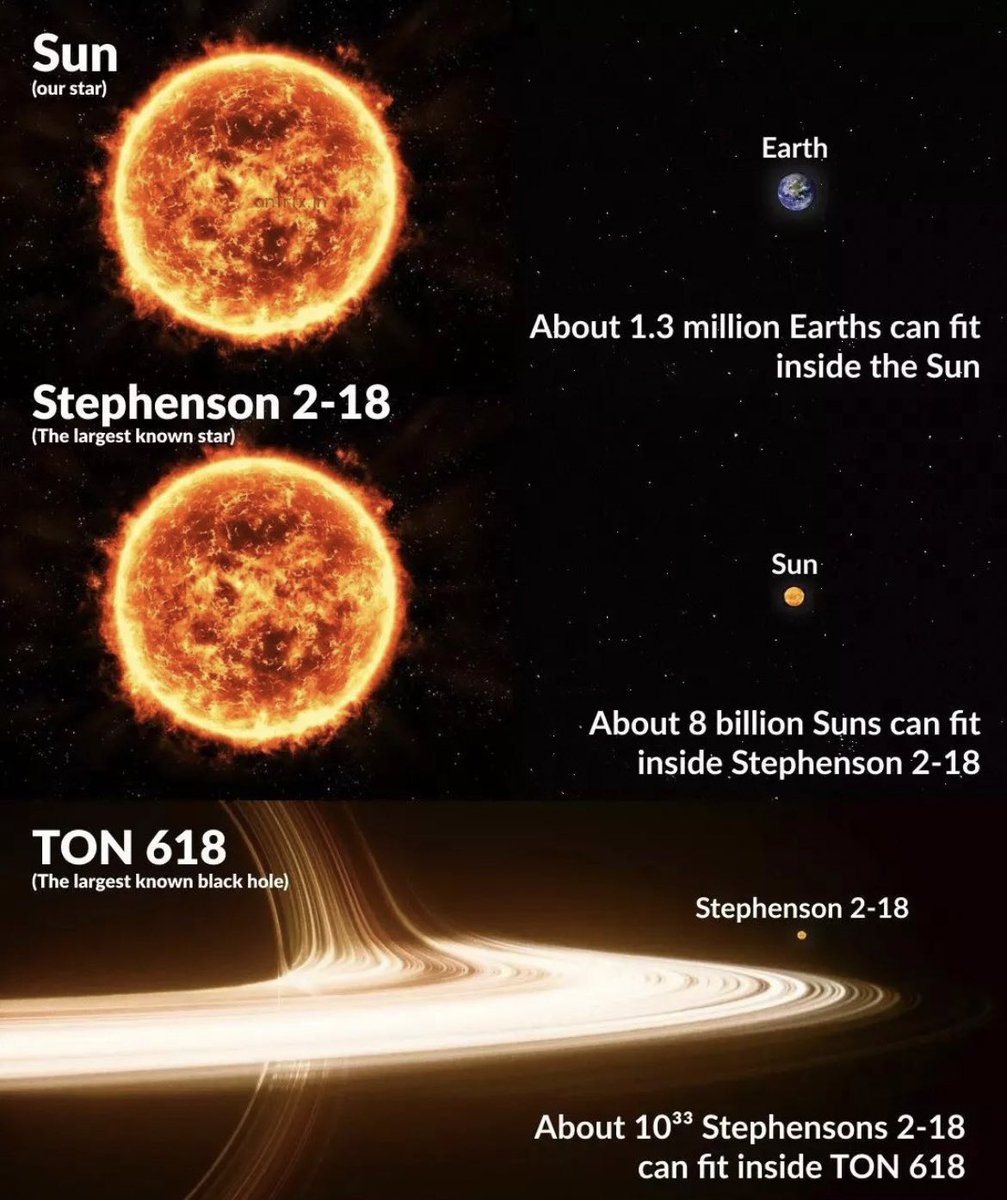
Sun (our star) - About 1.3 million Earths can fit inside the sun.
Stephenson 2-18 (the largest known Star) - About 8 million Suns can fit inside Stephenson 2-18.
TON 618 (the largest known Black Hole) - About 10 to the 33th Stephensons 2-18 can fit inside TON 618.
Feel small?
5 Likes
Not really 
There are more atoms in a glass of water, then there are glasses of water from all the oceans.
We have more atoms in us then all the stars in the universe.
We are in ourselves a universe!
1 Like
Sounds like lyrics for a Coldplay song.
2 Likes
Lunar eclipse Monday morning around 3:30am for those that are up.
An interesting new take on the best chance of colonising Mars:
Live in giant lava tubes!
The reason is to avoid damagaing radiation on the surface. Mars does not have a magnetospher so gets much more damaging radiation than we do.
Here is an excerpt with full link below that.
Mars has a large number of so-called “Lava Tubes” we find them on Earth and on the Moon too. They form when a flow of lava from a volcano flows down a hillside. The lava that’s on top of the flow is cooled by the air (or just radiates away into space on Mars/Moon) and solidifies - so you end up with a thick layer of solid rock - with a roughly cylindrical cave beneath, left behind when the lava has flowed further downhill.
Here on Earth, the resulting caves are pretty impressive:
But there are occasional ceiling collapses, due to erosion or earthquakes - producing what are called “SkyLights” at intervals down the cave. But the floors are flat and the walls and ceiling pretty smooth…and they sometimes go on for a mile or more.
However, on Mars, the gravity is lower - and this makes for MUCH bigger lava tubes - maybe 5 to 6 times the diameter of the ones in the photos above!!
Furthermore - Mars is no longer geologically active - and there hasn’t been free-slowing water for at least a few million years. So anything that was going to collapse has already done so - and no new “skylights” can form.
So what we end up with is a MASSIVE interior space - maybe 100 feet wide by 100 feet tall and stretching for tens of miles!!
It’ll be naturally shielded from radiation.
I’d imagine sending some kind of robotic device into the tunnel - spraying insulation foam over the walls and ceiling - allowing the space to be heated - and also filling in any small holes that air might leak out of.
Then - a couple of large inflatable spheres could be pumped up at either end of the tube with airlocks built into them to allow traffic into and out of the lava tube to the outside world.
It something that size - you could build nice private living-quarters down either side of the tube with a road between them for vehicle traffic back and forth between the ends.
One lava tube say 10km long could easily house of thousands of people if necessary.
The interior would be warm and well-lit in daytime - they could even consider drilling holes up to the surface to allow natural sunlight through heavy leaded glass windows.
Within that space, they’d grow food in hydroponics suites, have vehicle and spacesuit maintenance and so forth.
If people sleep and do at least some of their work inside these tubes - or in buried surface habitats - then they can drive out onto the surface in more lightly radiation shielded vehicles and walk around in space-suits…maintaining an average radiation dosage within OSHA limits.
Once the colony gets past the “fight for survival” stage - they could probably erect air-tight domes over the natural “skylights and plant earthly trees - maybe have Earthly wildlife like rabbits, chickens and maybe small deer and have these as parkland separating out lava tube sections which would each be like a village of sorts…with some industrial facilities…hydroponics facilities and so forth.
1 Like
As humans we are smaller than nuclear in atoms, when I was in my teens, I would always entertain the thoughts to the brothers that we could be possibly be on nucleus (world) of an atom in a srtream of something bigger and could be one moment away of been stepped on
Tomorrow NASA is hosting a livestream where they will reveal a major discovery made by the Perseverance rover on Mars.
Rumors of fossilised microbial life.
5 Likes
Not definitive signs of microbial life, but no other explanation.
Send a mission to bring the samples back NASA.
3 Likes

2 Likes
Flying high.
Musk’s supply for a week?
3 Likes
An hour I reckon….
Claimed detection of dark matter clump (sub-halo) within the Milky Way. Probably won’t stand up, but still an interesting technique to try and detect. Low signal levels and errors in measurement don’t make it statistically significant / probable.
2 Likes
Six thousand exoplanets and counting.
https://x.com/NASAUniverse/status/1968385094101475789?t=U9Ysh8zJkoZQ-S5kaqBI4w&s=19
2 Likes