I’m sure you’re going to do it but make sure you do the Olga’s walk early in the morning - better than the rock.
4 Likes
We’ve just driven the opposite route and are now in Clare. (From Darwin) The Stuart highway was great. Both the Olgas & Uluṟu are magical but the best walk was the Kings Canyon rim walk - spectacular!
If you’re travelling the same way on the way home, a stopover in Woomera to visit their Heritage Centre is also worthwhile.
The country is at its best - so green.
Enjoy!
6 Likes
And do it anti-clockwise!
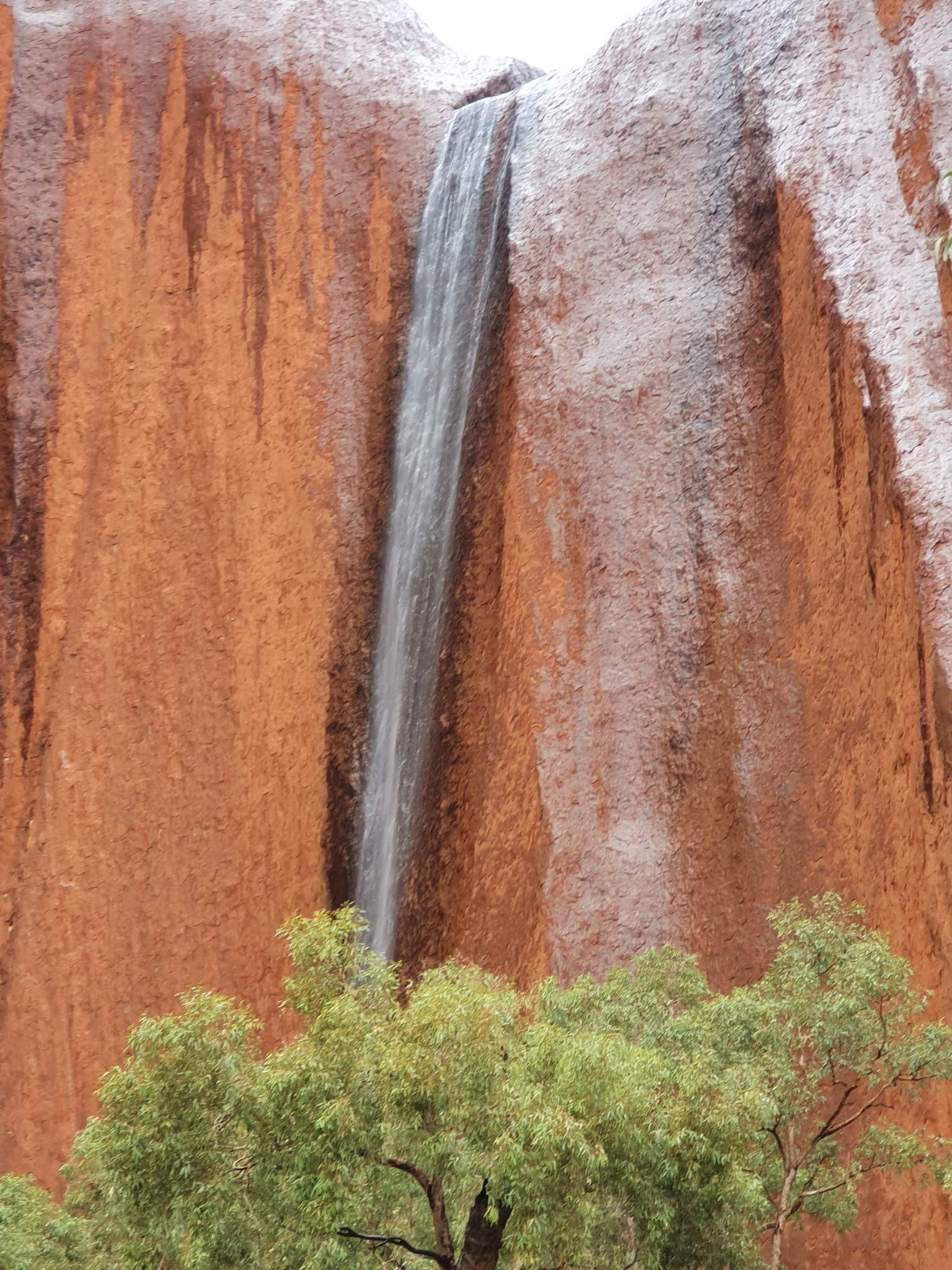
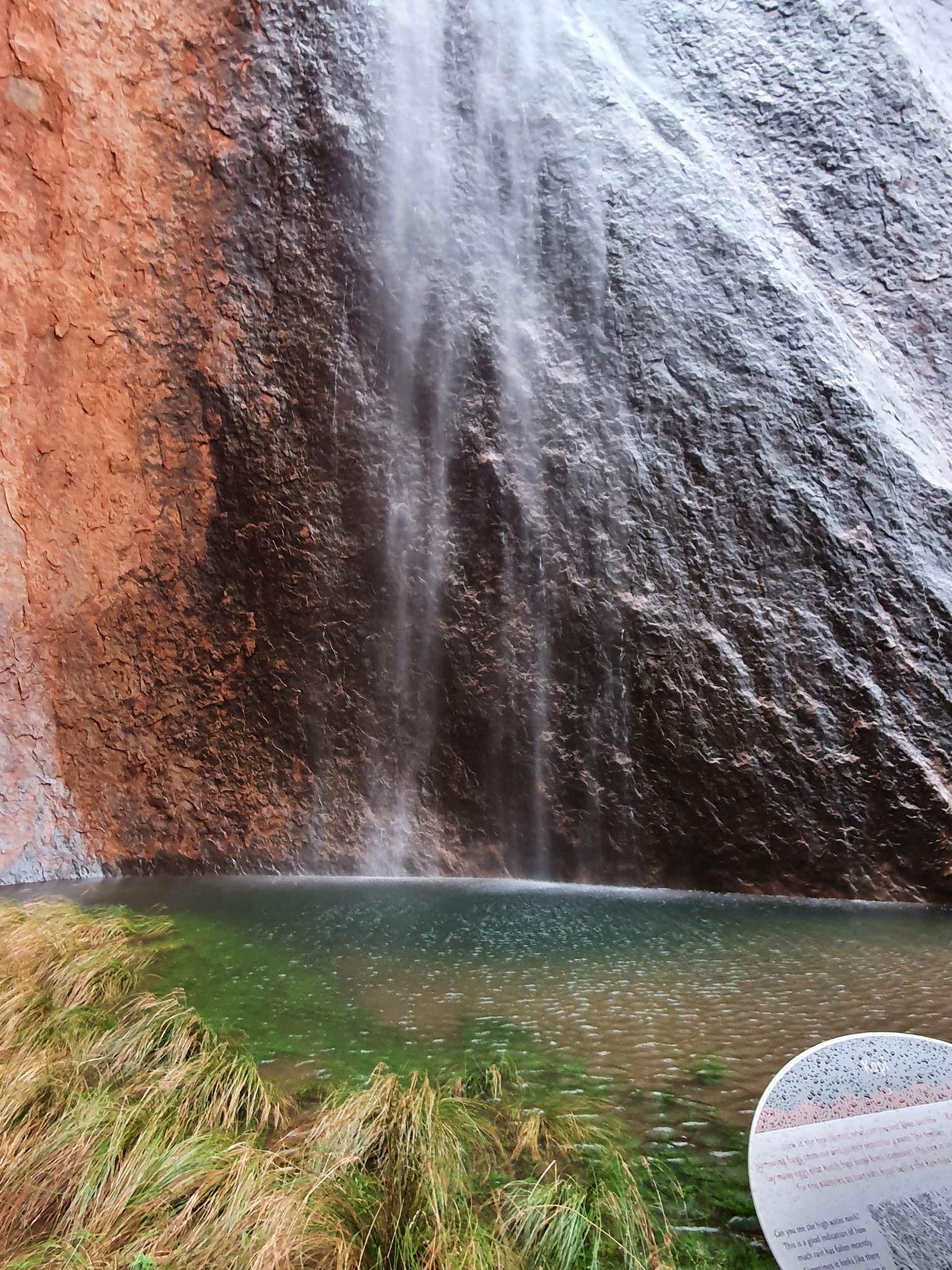
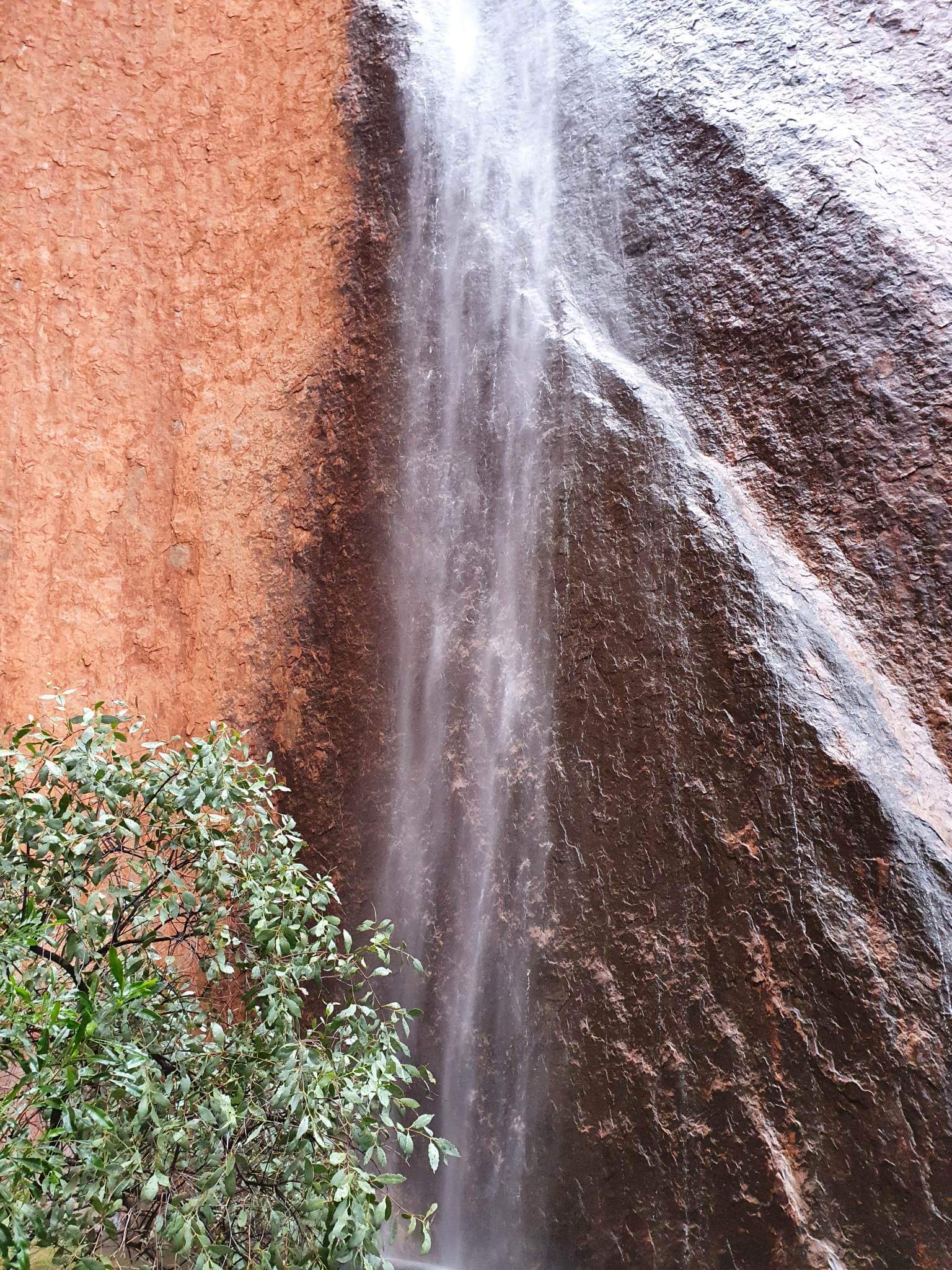
I was at Uluṟu last week and saw some massive waterfalls, make sure you do some base walking and head into the waterholes. It is stunning in the wet.
4 Likes
I was at Uluṟu last week too but left the day before the rain. The photos I have seen of that event look spectacular.
2 Likes
Is there something I’m missing with the diacritical mark (not sure what to call it) underneath the r in Uluru?
It’s like the a in Maori, only on top, rather than underneath.
No idea what it is called, but the use of that mark is the correct way to spell Uluṟu.
I’d just never noticed it before. I don’t understand that a language that was spoken, not written, needs to have some obscure diacritical marks. It’s pronounced like an r, so write it with an r. Or is it?
Some thing with Chinese (of either flavour). How do you spell feng shui like that when it’s pronounced fung shway?
2 Likes
It’s written Pitjantjatjara language and it common on signage. It is also used on the term for the people of the land, the Aṉangu.
2 Likes
The one above is called a macron to denote longer pronunciation of a vowel. No idea about pronunciation below a letter or whether it relates to pronunciation.
2 Likes
I am always amazed at the things you learn on BBlitz. Do all the nerds support the Bombers ??
5 Likes
I remember Latin poetry when you’d have bars above vowels to lengthen them. German has umlauts above three vowels to change the pronunciation.
But with consonants, the Spanish enye is really a different letter with a different pronunciation, and not to be confused with the n. A few Slavic languages have bars across consonants and marks above them to change the consonants.
But I’d be surprised if the Pitjantjatjara people used the Latin alphabet before the whites came. Bit more than surprised really.
It changes the way you say the letter. In the word Aṉangu, the first n has a longer sound than the last one. It is probably the easiest way to communicate the actual sound of the letter from an oral language to written form. Traditional English structure just wouldn’t cut it.
2 Likes
I read somewhere that in the 30’s?? many linguists worked with aboriginals of numerous tribes to try to reflect/represent their various languages as accurately as possible in a written form.
2 Likes
That figures, macron is from the Ancient Greek for long.
I’d guess it’s helpful for people like me to pronounce when we don’t speak the indigenous language.
2 Likes
Like the Greek o-mega and o-micron. One long, one short.
Look here you lot, if you are going to discuss grammar et al could you at least spell the name of this thread correctly and get back to caravanning?
6 Likes
verb (used without object),car·a·vaned or car·a·vanned, car·a·van·ing or car·a·van·ning. to travel in or as if in a caravan: They caravaned through Egypt.
 ….although caravanning seems to be the preferred spelling.
the -vaned ending certainly makes you think it should be pronounced -vained. Use the double n to get the right pronunciation. Stupid Americans getting rid of double letters. ■■■■ Noah Webster and ■■■■ the horse he rode into his hick town on.
2 Likes