In Hue Vietnam there is a rail siding, right across a main road. When a main express is coming through, the local train has to pull off the main line an into the siding, thus blocking the road to traffic for anything up to 10 minutes until the express arrives. Normally the motorbike traffic wouldn’t wait to cross in front of the express, but the local train in the siding blocks them completely. Utter lunacy in planning, as chaos ensues.
1 Like
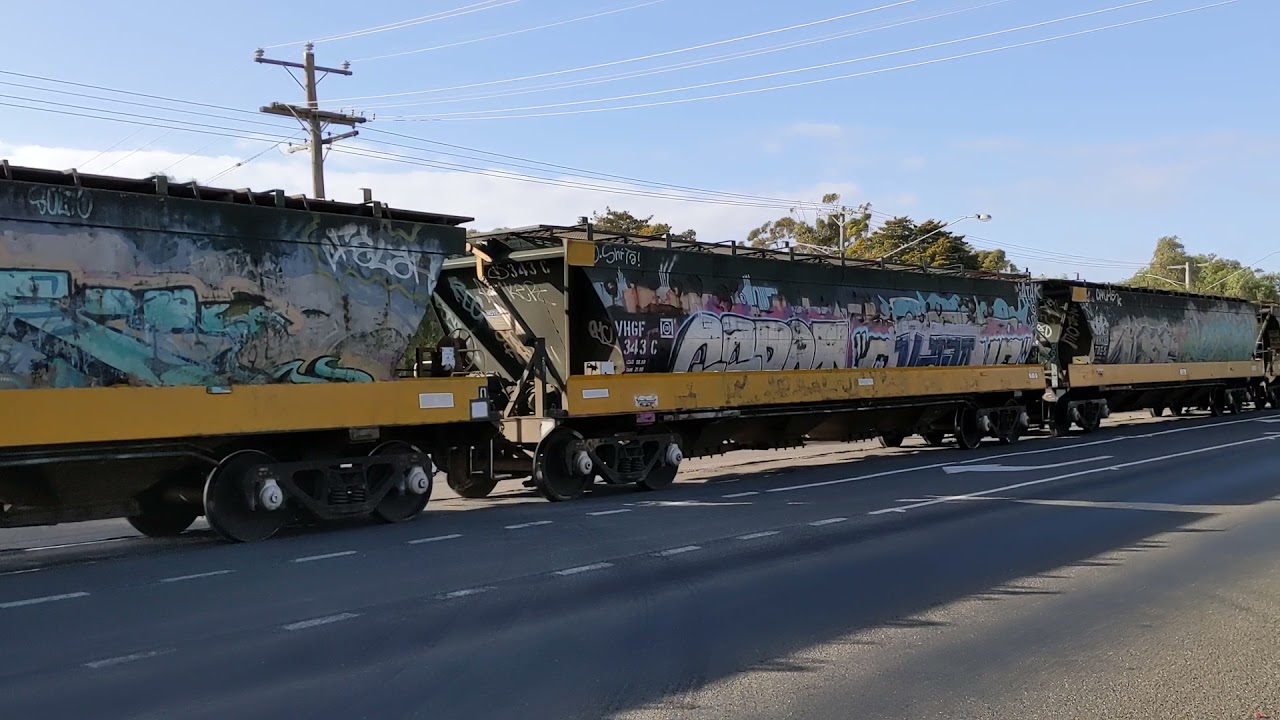
Whycheproof still goes down the Main Street goes out to sea lake
Been in the rail industry 43 years
3 Likes
Mrs Fox and I took a ride in the new underground, and while it is new and shiny, and everything worked, it is just another train line in the scheme of things.
Skipping south yarra gets me to work faster
1 Like
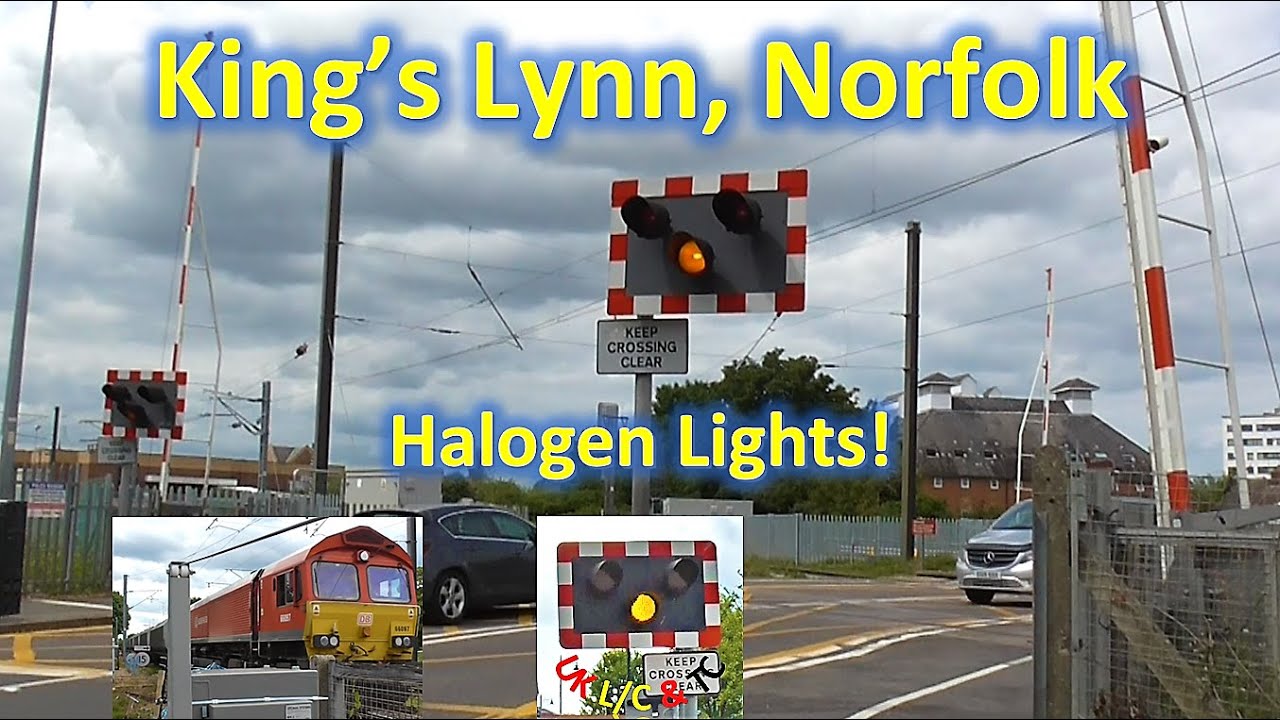
I have a model of that exact locomotive (66 097) in that first clip.
1 Like
Nerd!
1 Like
Living in China gave me a finer appreciation for underground trains. Xian for example had only 2 lines, north-south and east-west. By way of contrast, Shanghai has the most extensive underground system in the world, 14 lines, almost all underground. The line to from South Shanghai railway station to Pudong airport has about 40 stops in all and takes a couple of hours to traverse, it surfaces with about 8 stops to go. Beijing has lots of lovely old underground stations that look like they were inspired by Europe. In Chongqing my local station was the deepest in the world, almost 200 m underground and it took at least 5 escalators to reach the lower line.
2 Likes
It’s hard to catch trains here after being in Asia, both safe and super efficient. The US is a bit similar to us, more of a car society and you run into too many scumbags.
1 Like
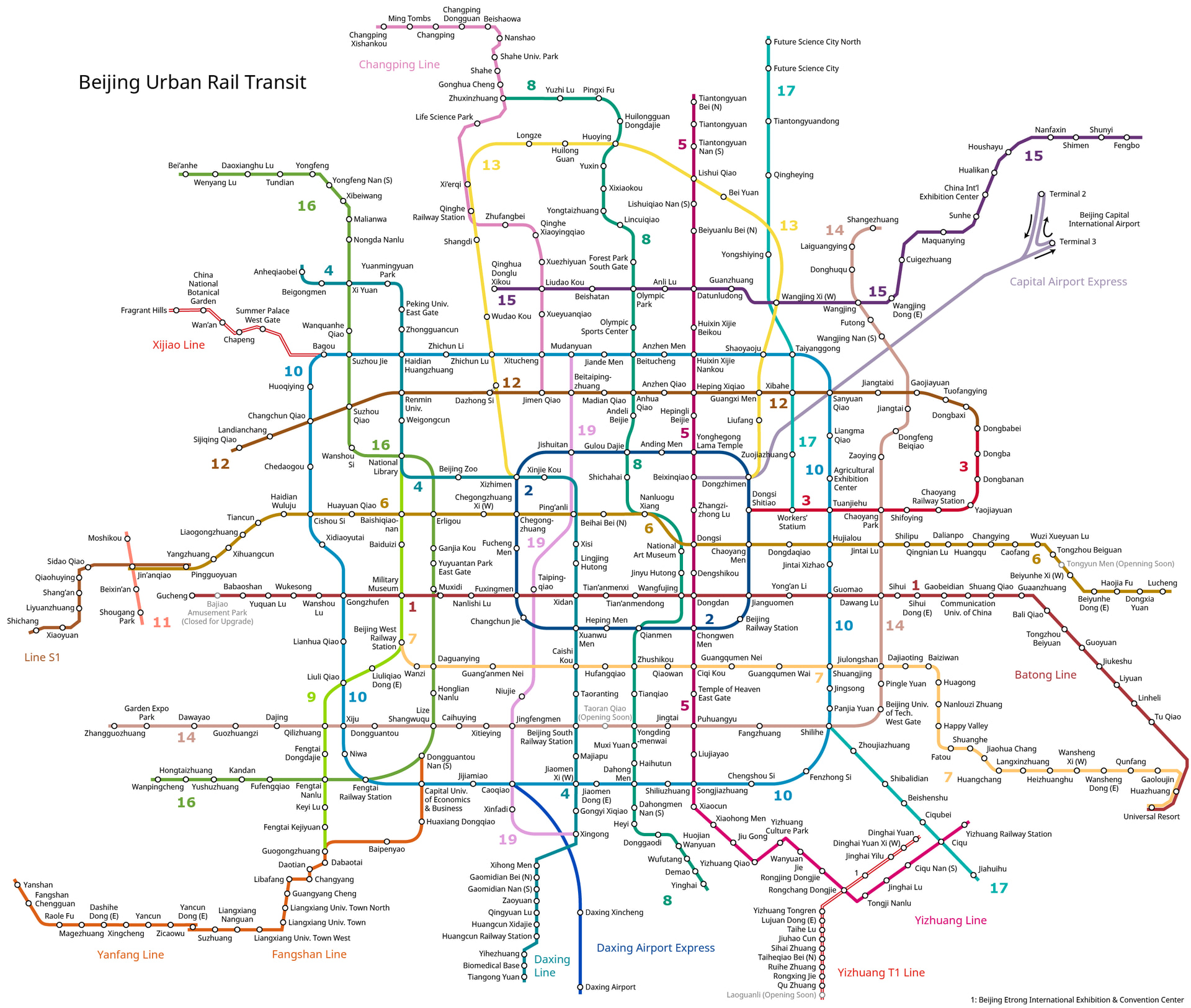
The Beijing Subway has 524 stations across 29 lines. I was told when I was there once that they upgraded the automated ticketing system, which was thousands of ticket machines, automated gates and ticket scanners. They did the whole update in one hit and to minimise disruption they closed the whole system for 5 hours. It was completed in 4 hours.
No idea if that was true, but I was told by the Head of a Major University Engineering Dept.
In Melbourne to do the same on our entire rail network would take 4 years.
5 Likes
And there’s be a hit piece in the Herald Sun every day in the 5 years leading up to it.
25 years ago I was in Mexico City, and their system covered the entire city, and was 20c a trio, and just worked.
4 Likes
And you literally don’t need to be literate to use it!
1 Like
A mate of mine lives in Tokyo. He’s told me that their rail network is so reliable and efficient that, in the very infrequent event that things don’t run on time - generally due to either an earthquake or a “medical emergency” (read: a jumper) - there will be conductors on platforms handing out official documenation as proof to give your employer that your train actually ran late.
A bit different from Australia, eh?
The efficient public transport systems in Tokyo, HK, Seoul, Taipei City are a big reason why I like holidaying in such places. The systems are so reliable and extensive that it makes planning so easy.
The one place that had a comparatively ordinary metro system was Kuala Lumpur. As a tourist, the metro stops were rarely in useful spots, they still used tokens, the schedules rarely ran on time and it was just easier (and cheap enough) to use Grab.
5 Likes
It’s pretty much all online now, you tap on the delay certificate (starting from 10 minutes) and show it to your employer. I get students who rock up late every week holding up their phone as they enter the classroom, showing whatever train line is delayed that morning. “Oh, I was staying at my friend’s house, that’s why I was on this line.” Sneaky buggers 
6 Likes
The ■■■■■■■ and moaning about one line through the middle of the Melbourne City loop being a waste of money took around six years.
A good percentage of people prefer the ‘convenience’ of driving to where they want to go. Even though car parking costs are bloody high. In the end, you need both public transport and roads to help each other be economical and handle a growing population.
We also don’t have the population to warrant such a large network.
Victoria (using it as an example) is at 7mil population (70% are within the 'Greater Melb area) and that’s expected to grow to 10mil-ish by 2050. Beijing has close to 22mil population. We’re probably 80 years away from reaching the population to warrant such an efficient and wide spread network.
This is demonstrably wrong. Plenty of cities of Melbourne’s size have extensive public transport networks. Sure, we don’t need Beijing’s but, but a city our size (both geographically, and in terms on population) needs an efficient mass transport system that can move the population without clogging the roads (that may need to work efficiently for business etc), and ruining the city with masses of roads through “neighbourhoods”.
6 Likes
Also Beijing’s population was ~10 mill in 1990, so it could conceivably be quite a bit less than 80 years for our city to get to 20mill
I agree we need it.
But we’re not ready for a Beijing level size transport.
I haven’t been to many other 7mil ish sized cities though and tested their public transport.
But I definitely love the priority of moving people when I’ve gone to Shanghai, New York, Barcelona, Paris, etc.
I spent some time in the south of France which has a far smaller population than Melbourne, but they relied more on trams than underground trains. I can’t recall if they had above ground trains either.
We could, but I doubt it.
Our population is unlikely to grow that quickly and I doubt we allow the level of ‘overseas’ investment into the state the way they did.
Our projections are 10mil by 2050. That’s where Beijing was in 1990. So getting it to 22mil took them 35 extra years. Which is around 2085. Just sit years away.
Our transport network will scale up as the population scales. I doubt there’s a politician willing to build such a network until it is ‘needed’. And each politician will have different measures for what ‘needed’ means.
1 Like
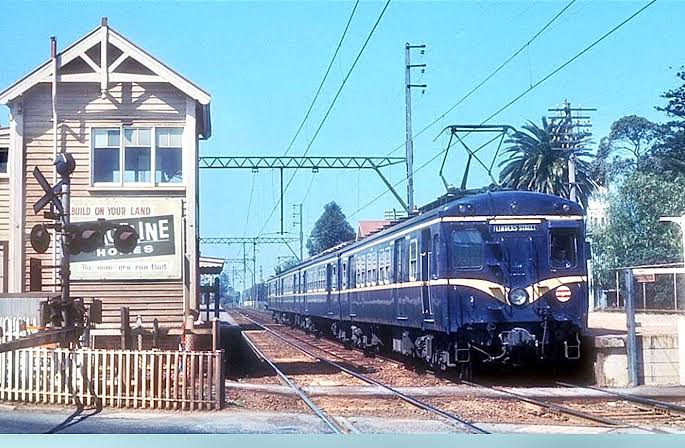
Ranking my favourite trains from the 70’s thru to the 90’s…
- Harris
Deep blue with the yellow stripe.Very nice.
Love me the smell of asbestos in the morning !
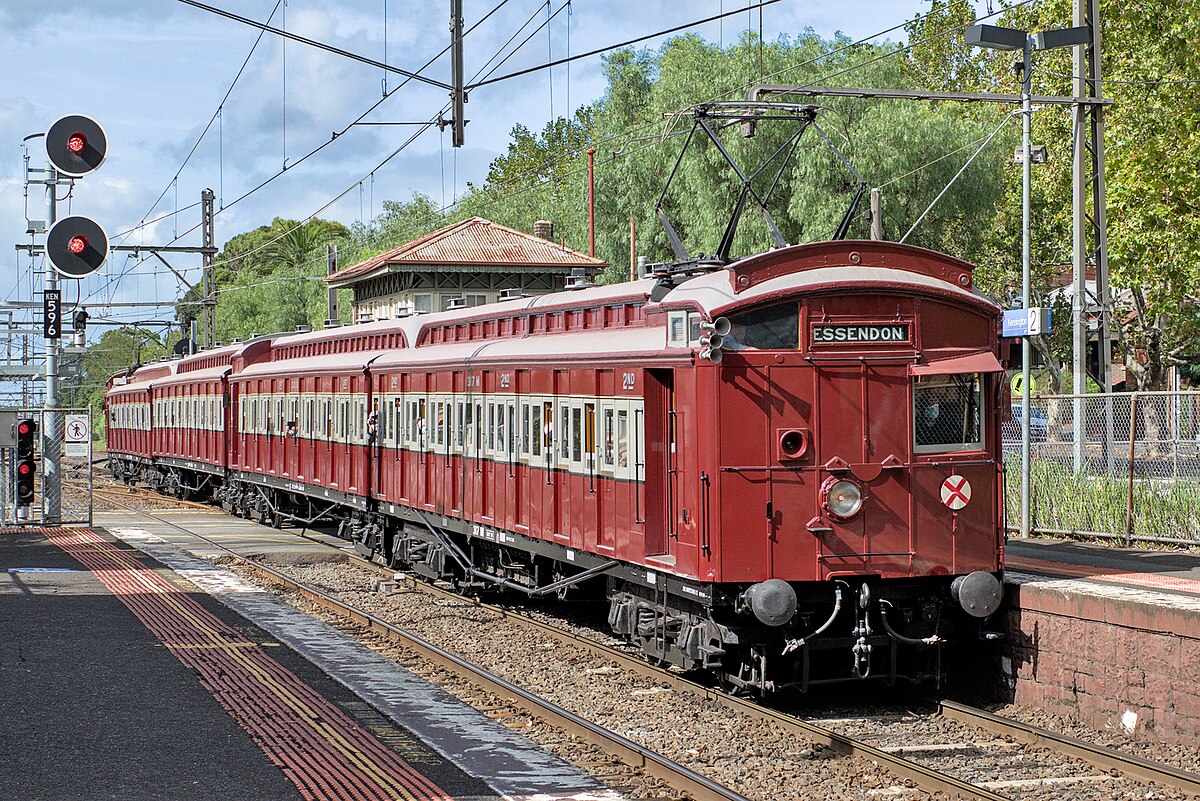
2. Tait
Affectionately known as the red rattler.
Unlucky not to be number one.
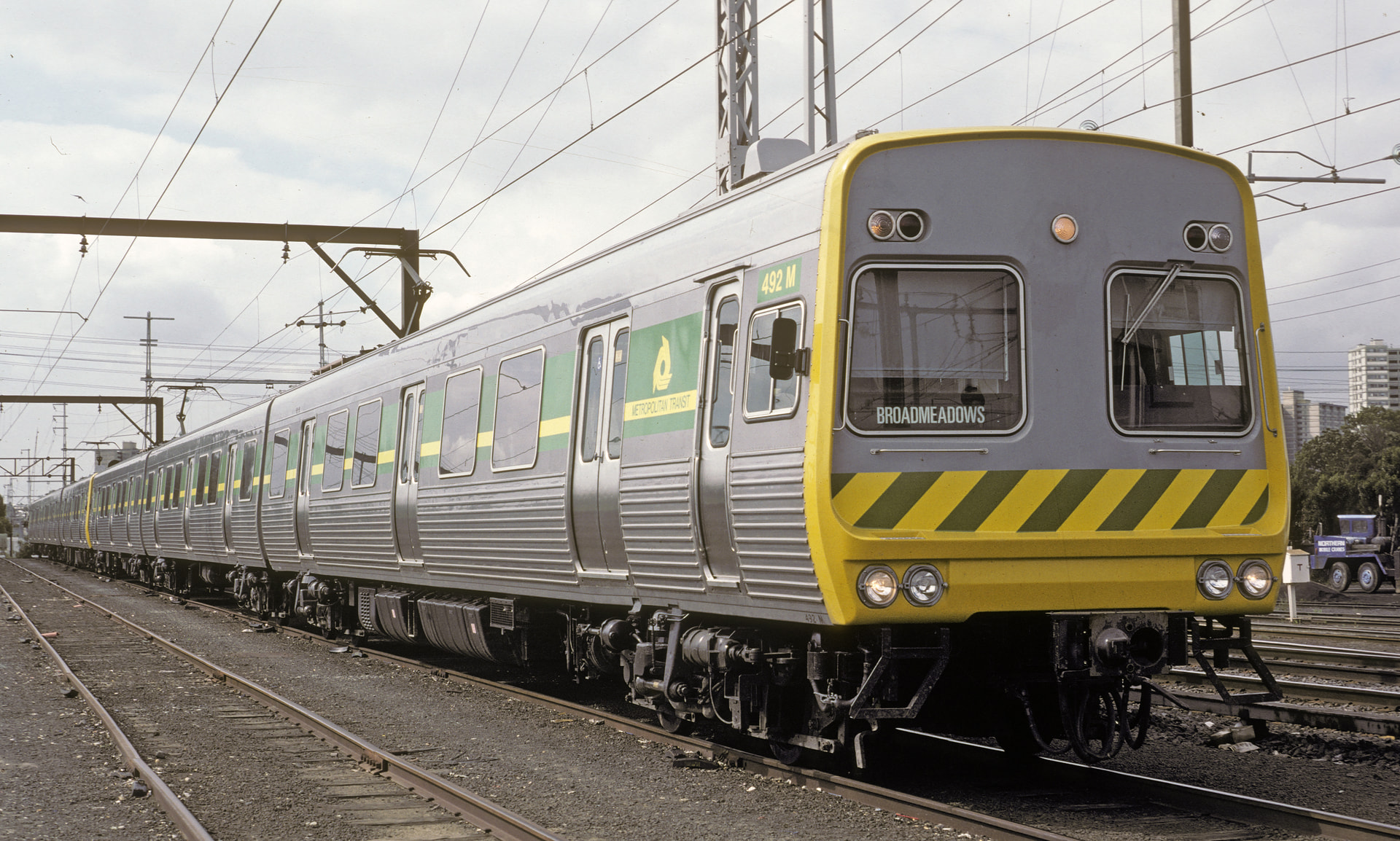
3. Comeng
Far more modern and clean compared to the 2 listed above.
Perhaps lacking in character.
4. Hitachi
Always felt dingy to me, and dirty.
A pain in the ar*e to clean, and I do have personal experience with this aspect.
Disappointing entry.

5 Likes
Question for me:
What will be quicker, getting off at Caulfield to catch the Frankston through the loop to get to SC, or get off at TH and walk through to Flinders to get a train to SC?
Going home from SC I assume I will just catch the Frankston and get off at Caulfield for the Cranbourne.