Yep. But what was the point of bringing that one up? It’s generally used to downplay the dire risk that icecap melting presents to civilisation.
The Philippines is currently getting battered by their fourth typhoon in 3 months.
I went to the All Energy conference recently and I thought I’d give a brain dump of what I took away.
The rollout of renewables is hitting an awkward period. Solar has reached saturation point of the daytime demand, driving daytime prices negative by as much as -$1000/MWH. In October there was a period where 10GW of total generation of 30GW was curtailed as it exceeded the demand of 20GW. This curtailment trend hurts profitability and has pushed almost all new solar projects to include battery storage.
Wind is heavily impacted by curtailment and negative pricing. Global supply chain challenges have made wind more expensive and the projects aren’t able to generate to their capacity due to curtailment periods. This combination has stalled new projects, with no new wind farms getting financial approval in 2025.
The delays in shutting down coal is one of the key reasons that wind is struggling to reach investment hurdles. A temporary excess of wind is needed before a coal plant departs, to avoid an energy shortage. Only 1 coal plant can leave the grid each year, to avoid destabilising the grid. With the NSW extending Eraring to 2027 (and negotiating to 2029) it has a domino effect of delaying all the other coal departures.
Coal plants have a minimum production, so will deliberately absorb negative prices during the day in order to be available at night. This crowds out any new wind generation, so the critically needed wind farms won’t be built until there’s a trustworthy plan for coal to leave. The AEMO advice is that Eraring can leave without risk to the grid, but the minister doesn’t want to make that call. Hence, we are stuck in a chicken and egg dilemma.
Victoria’s offshore wind developments were delayed to get a better quality tender process to the market. The Port of Hastings will be upgraded to support the loading of towers onto wind construction ships. Mobilisation of such ships from Asia will be costly, so likely to be cost shared across multiple development projects. The path of the transmission connection from the coast to Loy Yang has been announced. I haven’t looked, but expect it to follow the Basslink cable.
And some slides I found interesting…
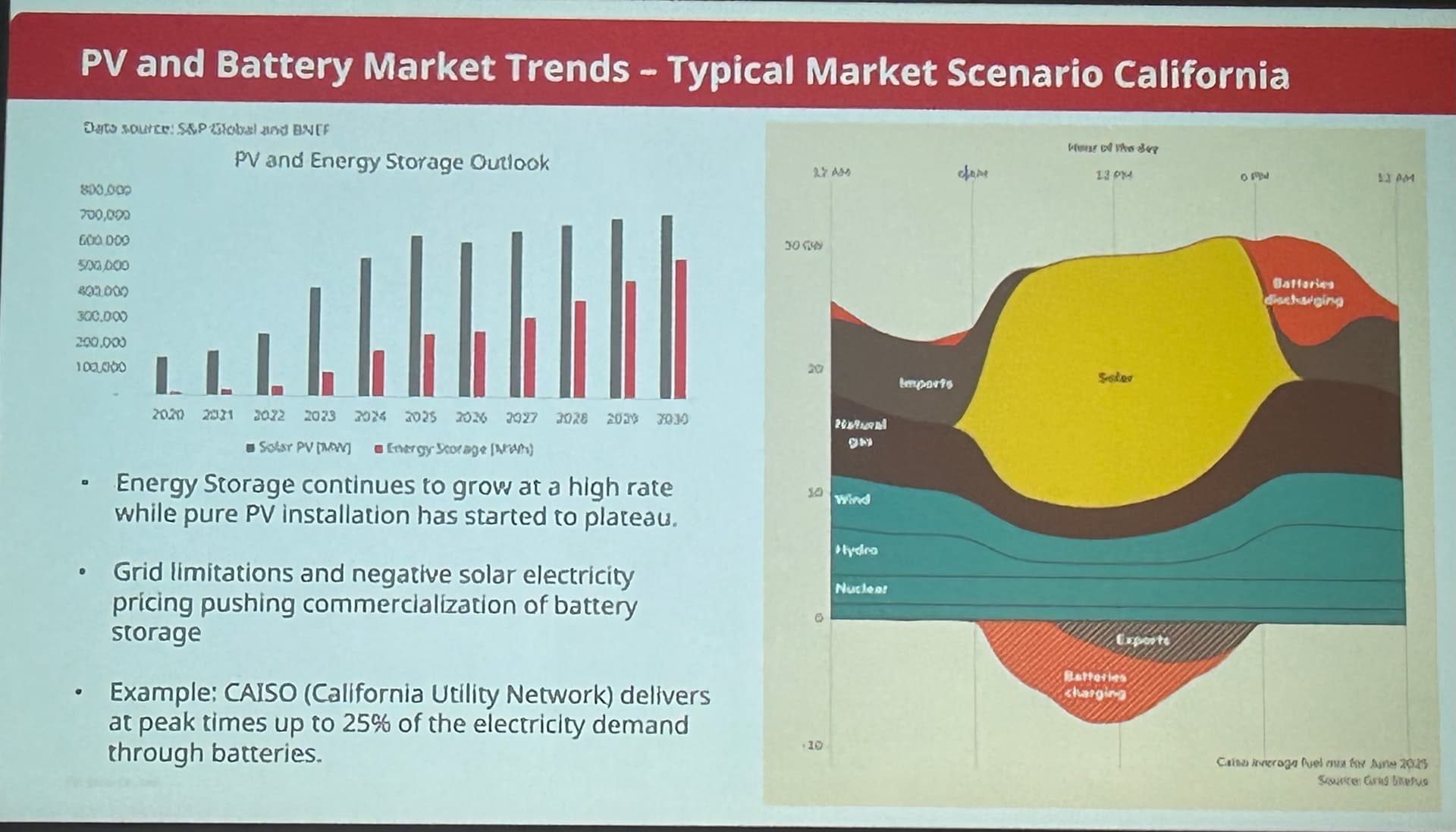
Solar construction has flatlined as the market is saturated. Batteries are approaching a 1:1 with solar. Solar likely to accelerate again only when battery production has caught up.

Change to the WA grid over time
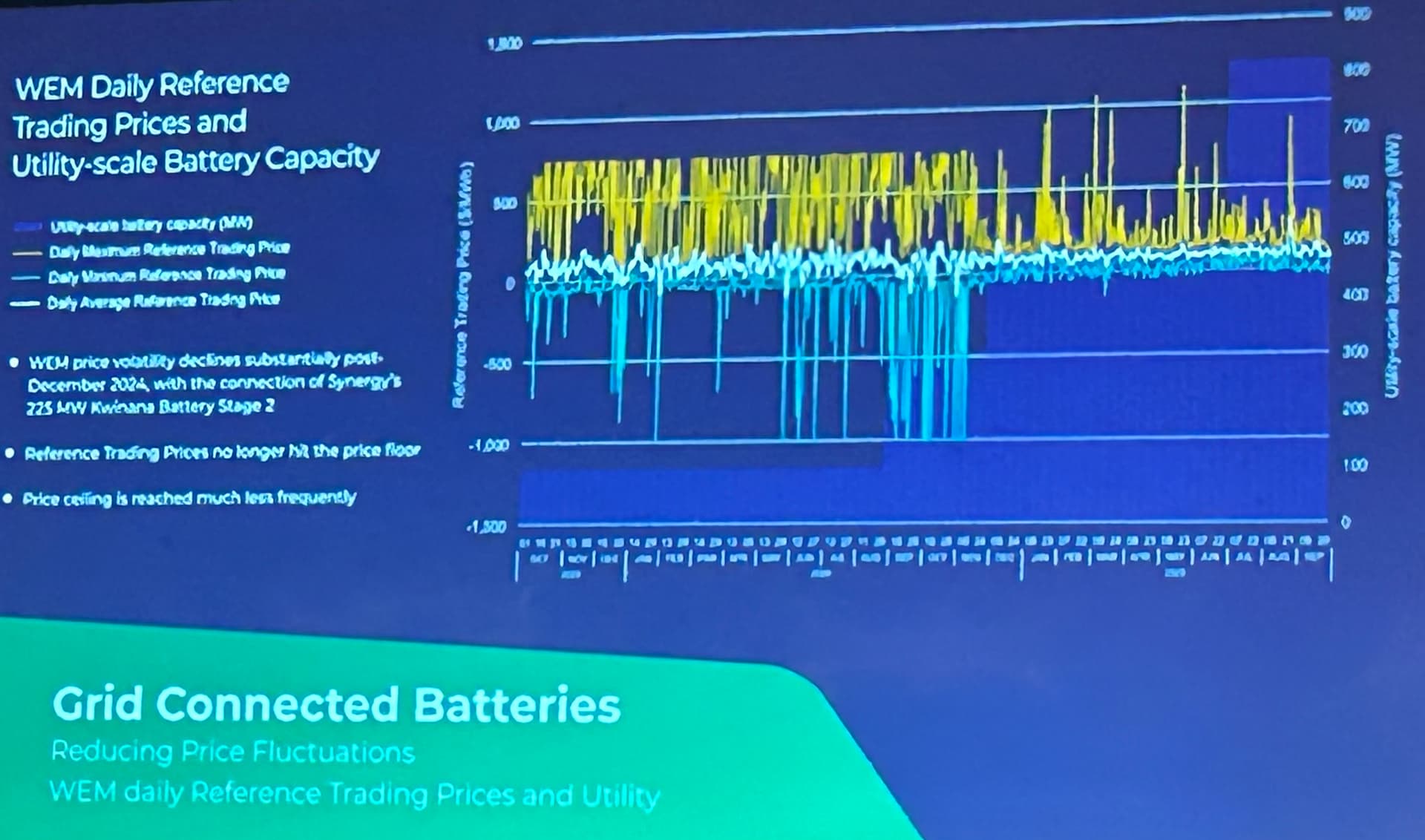
Price stabilisation impact of grid scale batteries in the WA market. Removed the negative pricing and much of the peaks.
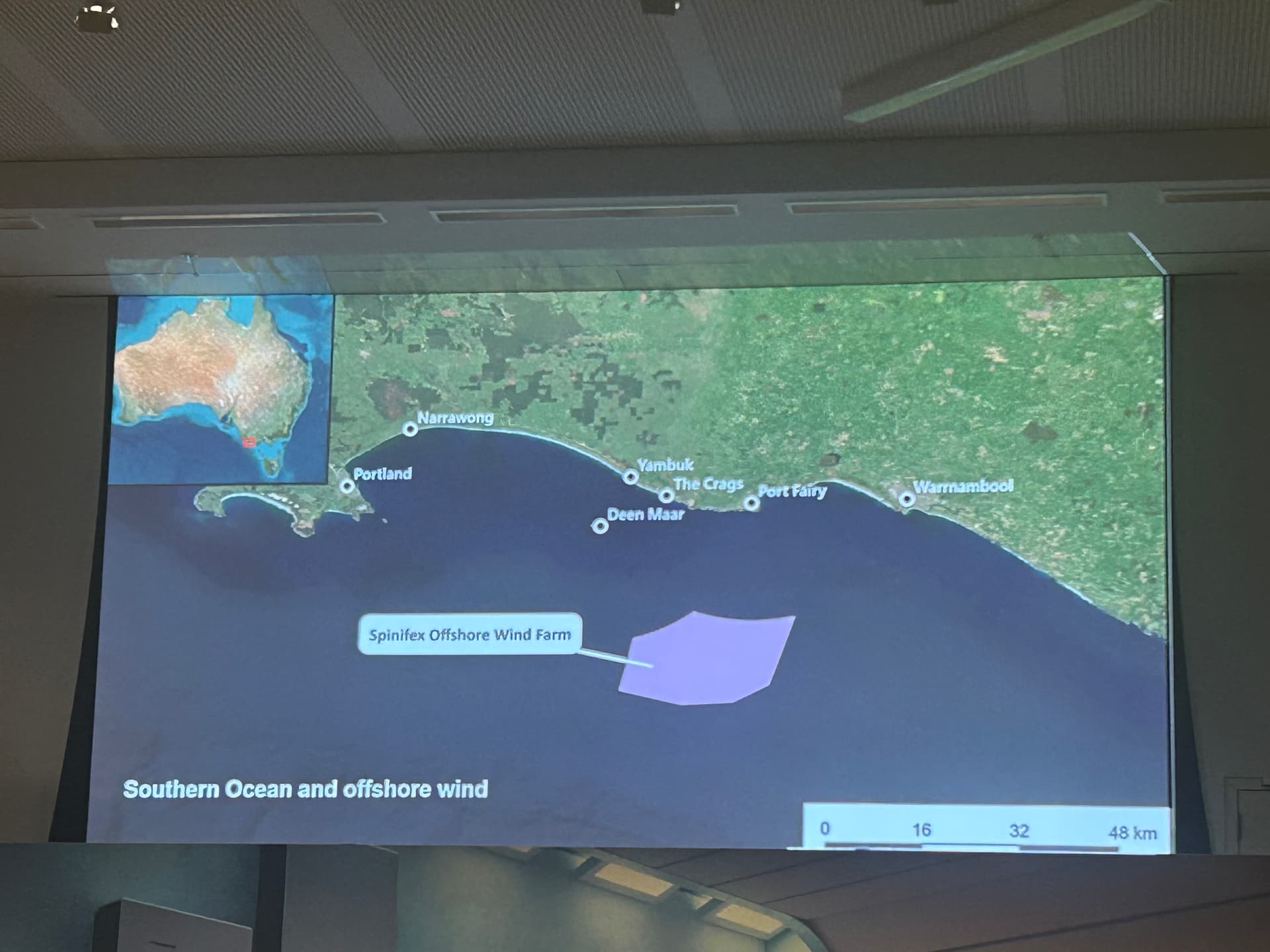
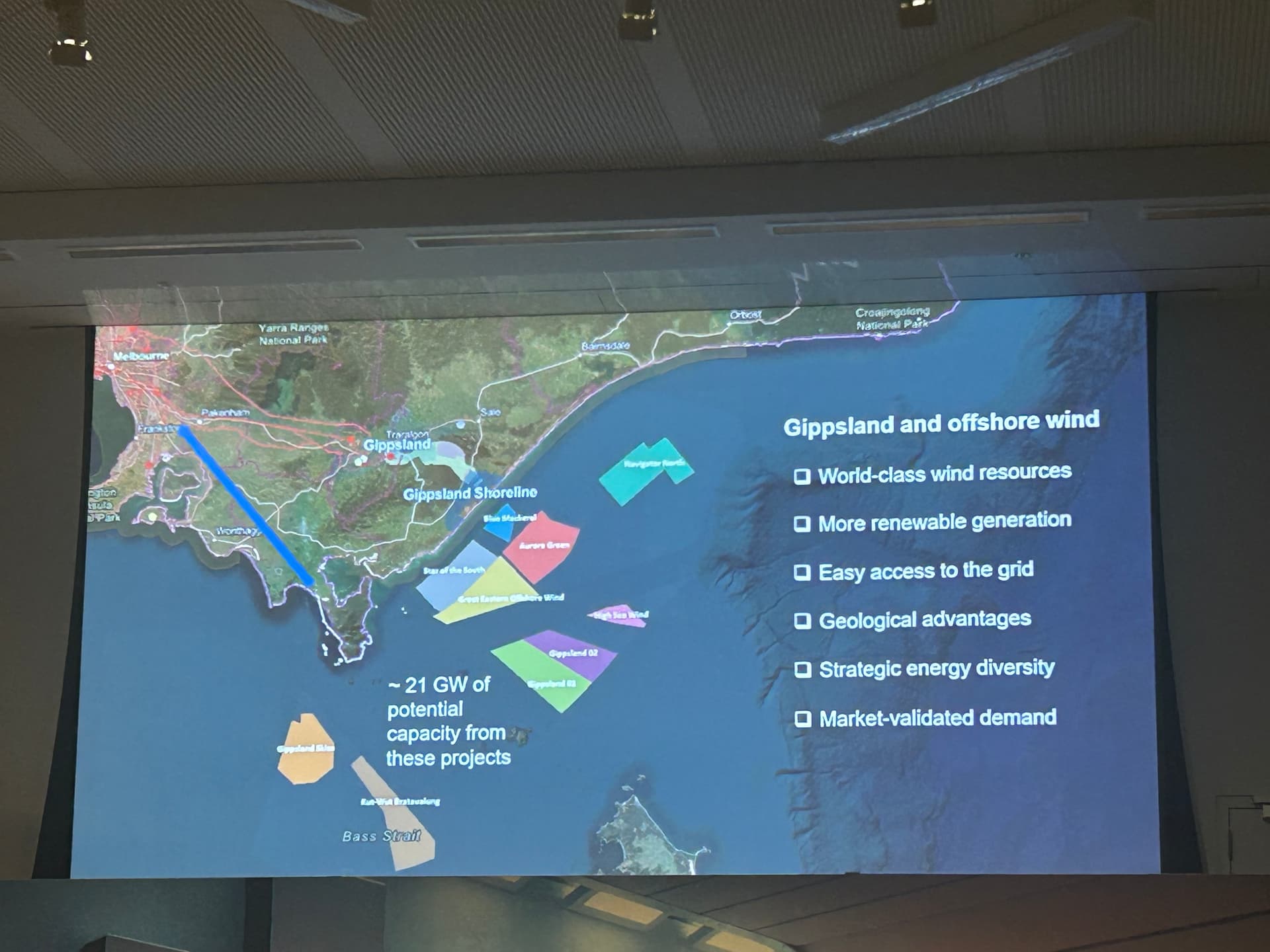
Victoria’s offshore wind farms. Not all of these will be built. The rough path of the transmission link is here.
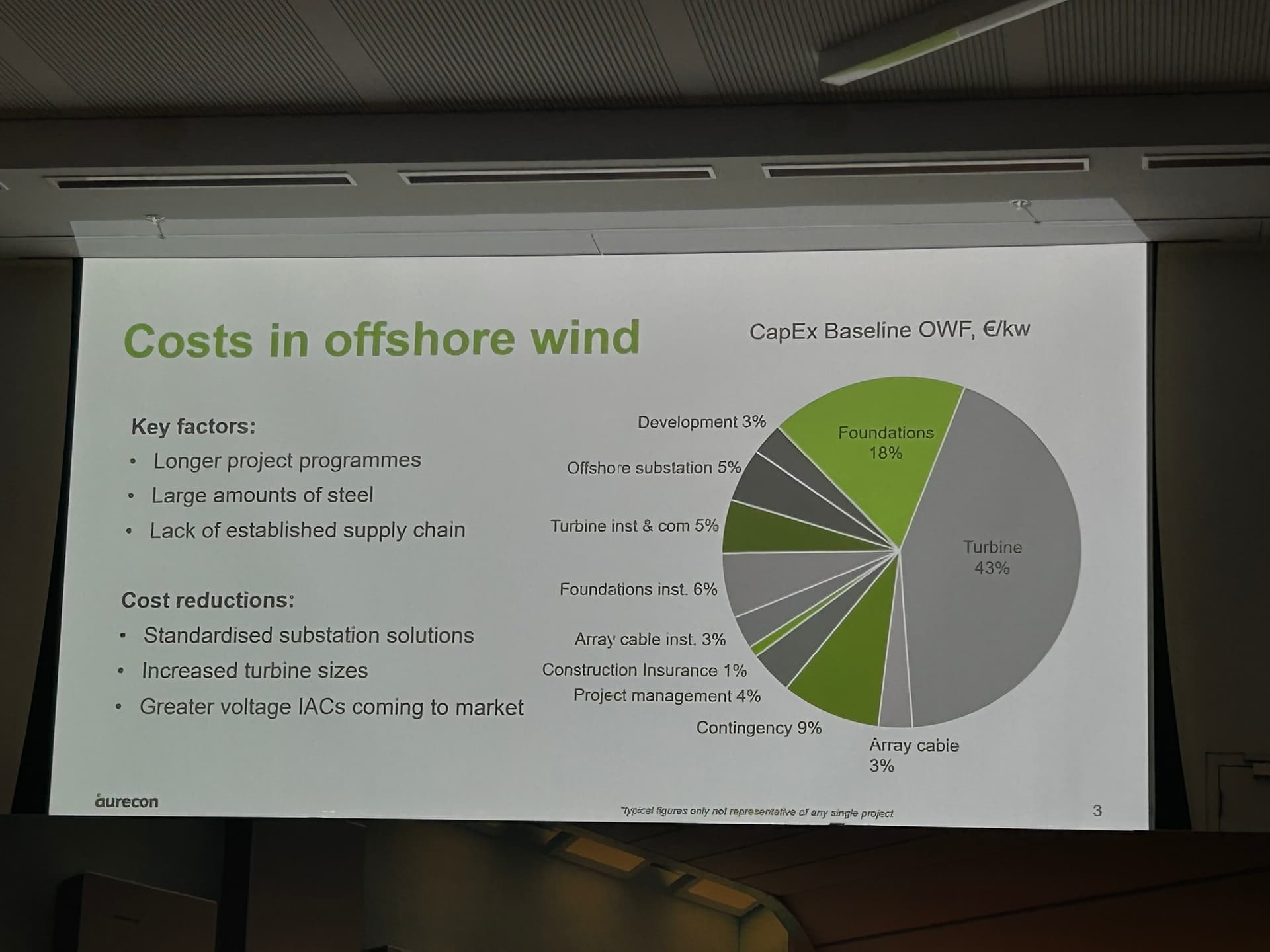
Cost mix of a EU offshore wind farm.
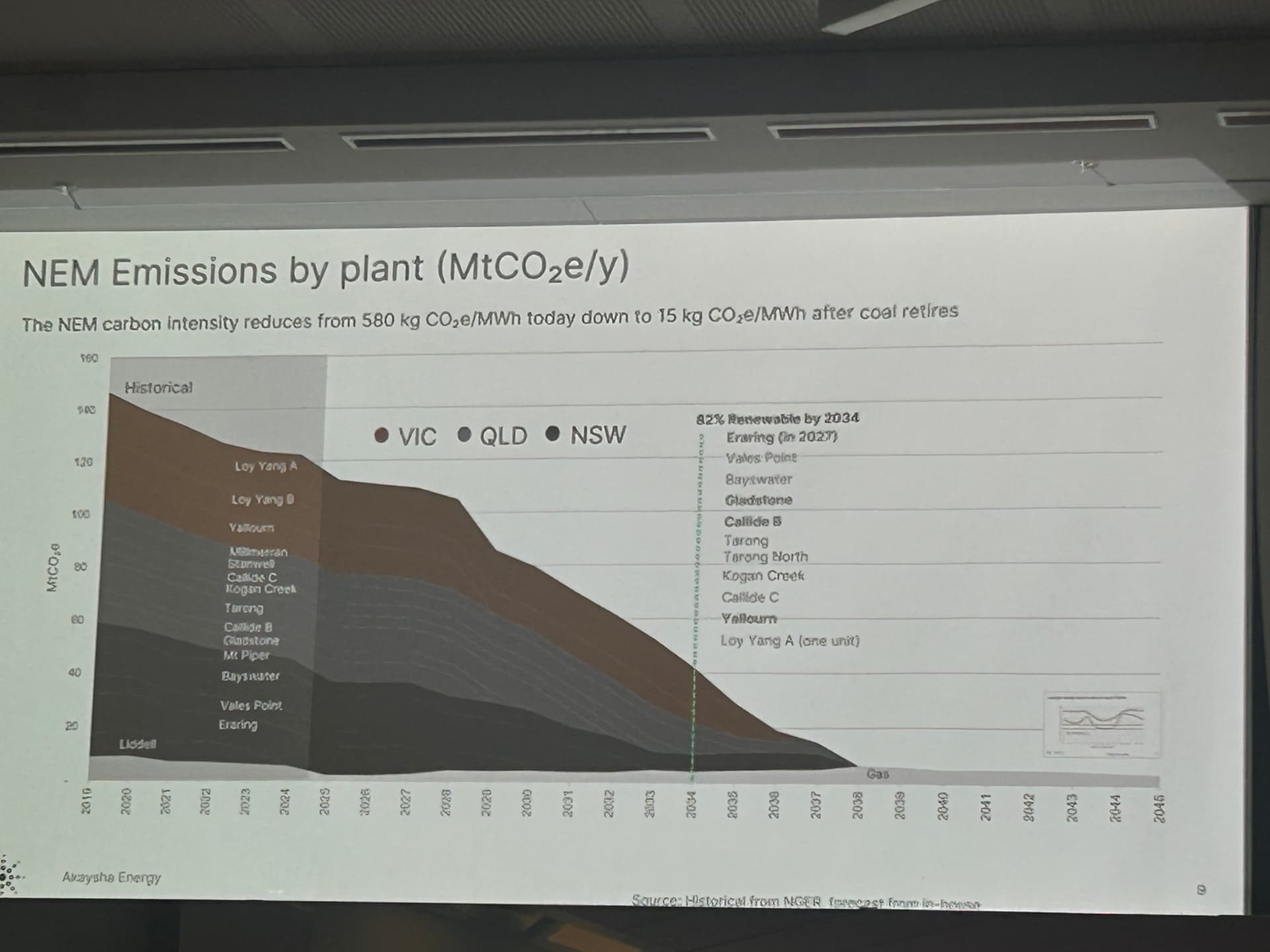
Why the domino effect of delaying coal departures matters. It’s the biggest impact to cleaning up our energy mix.
7 Likes
I thought I pretty clearly referred to fresh water ice over the continent / islands of Greenland and Antartica. This fresh water ice extends over sea water and particularly in the case of Antarctica the calving of glacial ice will lead to some huge fresh water bergs emerging into the Southern Ocean. The Thwaites glacier is In sharp focus at the moment . Massive full depth cracks are growing in extent.
The ice floes of the Arctic “ebb and flow seasonally”. There is no land under the north pole. It’s mostly sea ice, augmented by snow at the surface.
If I can ask a silly question…
At what point…I mean a sort of years window… can we expect renewables to bring about cheaper consumer energy prices?
I assume it will happen at some point? Or are the infrastructure and transmission costs roughly similar?
Not complaining, just interested.
I think we base case expect prices to flatline, not necessarily fall. There’s a lot of stuff that needs to be built over the coming decades and prices need to attract those investors.
My personal view is that a domestic battery and solar setup is the way to guarantee cheaper prices, especially if you can borrow at mortgage rates.
1 Like

2 Likes
also that consumer energy prices will not fall while marginal pricing runs the NEM, ie gas
unless the national electricity law is changed
which it won’t be
2 Likes
We sit at 15th out of 38 OECD countries for household energy prices. Pretty much middle of the pack.
Batteries are going to make a huge dent into the % of time that gas sets the price. There’s an almost incomprehensible volume of batteries getting commissioned over the next 18 months.
Are batteries going to make AEMO change it’s rules requiring a minimum number of running gas generators even when they aren’t needed?
That’s not an issue for the east coast grid. It does impact a bunch of remote microgrids though, but they aren’t under the control of AEMO.
1 Like
Think you need to study harder. I have given you a fail on this exam.
While it is a vexatious question, there are good engineering solutions to mitigate the effects of high salt concentrations. The outflow for example at the Sydney and Victorian desal plants have been designed to be in high flow areas that eliminate much of the problem to sea life.
Try harder Prof !
Which they have over 50 of and not slowing down
Look at a map. Snydey has the Pacific Ocean it has been relying on to take its effluent for over 200 years. You may notice that MEL’s desal plant has been placed so that it is NOT discharging into Port Philip Bay. Why do you think that may be?
Now consider that the Med has only one outlet to the Atlantic ocean, and what would happen if all the countries with a Med coastline established desal plants and pumped salt into it for 200+ years (the time that CO2 emissions have been rising since the Industrial Revolution). The water in the Med has a Residence time of 80–100 years, meaning what gets put in there tends to stay there over a human timescale.
Think longer term, Bacchus.
Thanks ■■■■
The Med actually receives less river inflow than the evaporation off the sea. This makes the sea turn increasingly saline, which is what you are concerned about. As water increases in salinity, it sinks to the sea floor and is replaced by less saline water from the Atlantic. There’s two currents through the Strait of Gibraltar, a surface inwards current bringing in low salinity sea water and a deep outward current pushing out higher salinity water.
The effect of desalination would likely just replicate a slightly warmer summer and be dealt with by this existing mechanism.
1 Like
I take it you’re a fan of paying too much for electricity?
Cost for NSW coal electricity is ~$139/MWh vs about $70/MWh for wind. I know which I’d prefer.
2 Likes
I can’t believe @Benny40 has a regular job onto of quality posting on this site.
2 Likes
I was “a sinker” all of my life until I got to the Mediterranean. It was mind-blowing to change my status to “a floater”.
I should have stuck with that exception, rather than becoming fatter since then.
1 Like